US sorghum industry expects international demand to rise as end uses expand
International demand for US sorghum is strong and could increase as the grain gains additional uses, according to National Sorghum Producers chair Amy France. The outlook points to a broader customer base for growers, exporters and processors, although no market-specific volumes or timelines were disclosed.
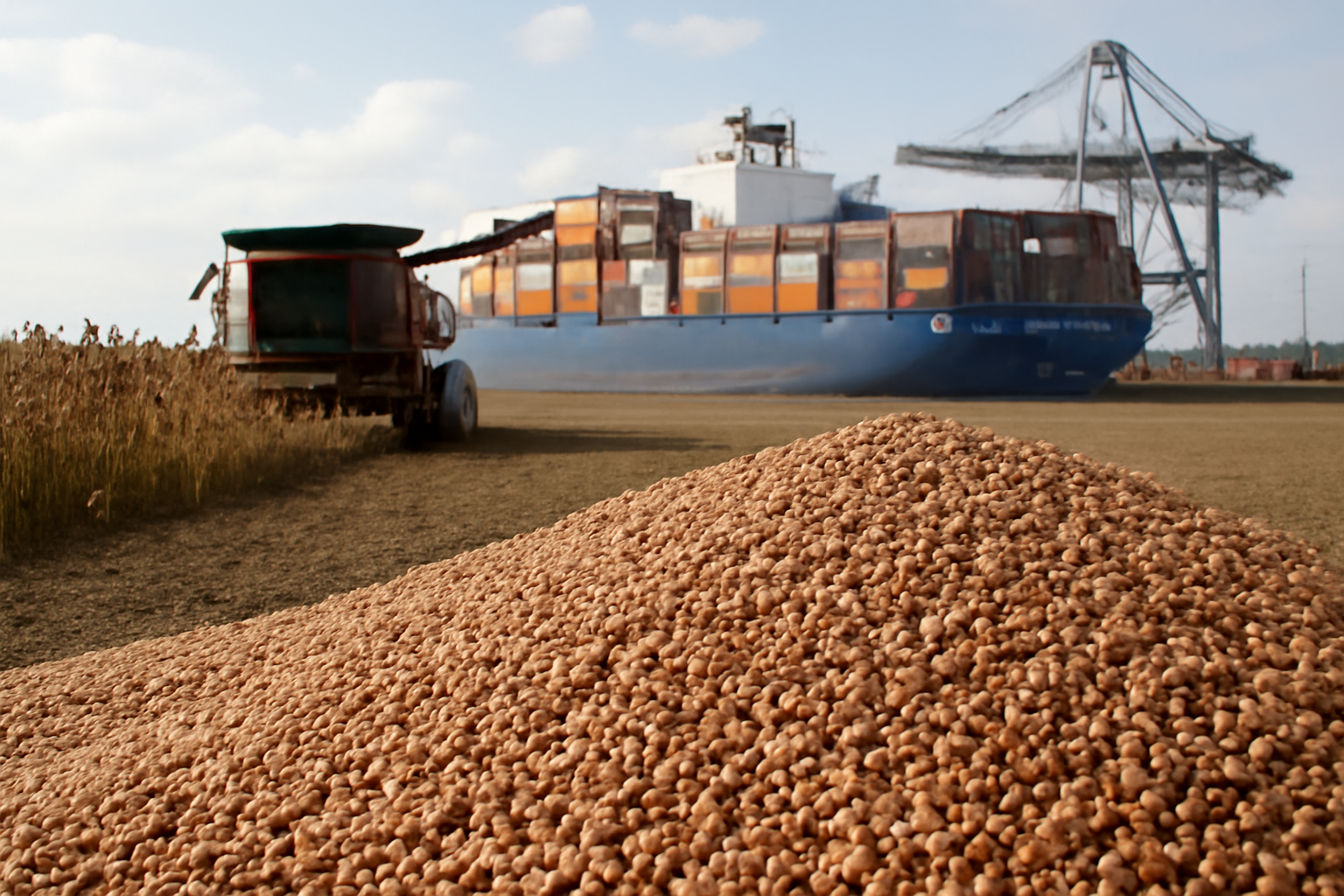
Industry group reports strong overseas interest
Demand for US sorghum remains strong in international markets, with the industry expecting further growth as the commodity finds additional applications. Amy France, chairwoman of National Sorghum Producers, told Agweek that demand is robust and said she expects it to increase as the range of uses for sorghum expands.
The assessment provides a positive signal for US growers and the companies that handle, process and ship the grain. A wider set of applications can enlarge the potential customer base and reduce reliance on any single type of buyer. It can also create more opportunities for exporters to market sorghum according to the technical and commercial requirements of different end users.
Agweek did not report export volumes, prices, destination markets or a timetable for the anticipated increase. The outlook should therefore be read as an industry assessment of demand rather than a quantified forecast. Actual trade will depend on buyers converting interest into contracts and physical shipments.
Additional uses could broaden the market
The expected increase is tied to expanding uses for the commodity. For producers, that matters because demand growth based on several applications can support more marketing channels than growth concentrated in one outlet. Processors and traders may also gain opportunities to develop specifications, supply programs and logistics suited to different customers.
Market expansion will require more than general interest. Buyers must be able to secure grain with the required quality, while exporters need commercially viable freight and handling arrangements. Processors considering sorghum must also determine whether it fits their production systems and purchasing economics. The source material does not identify which emerging applications are driving the outlook, so their potential scale cannot yet be assessed.
The lack of disclosed numbers also leaves important questions unanswered for market participants. Growers do not yet have a volume signal against which to plan production or storage. Traders cannot determine how much additional export capacity may be needed, and processors have no public benchmark for the pace at which demand could develop.
Execution will determine the trade impact
France’s comments nevertheless indicate that the US sorghum industry sees international markets and product development as connected sources of growth. If additional uses produce repeat purchases, the result could be a more diverse demand base for the grain and more sales channels for producers. If interest remains limited to trials or small orders, the effect on the broader market would be correspondingly modest.
For importers, the key commercial issues will be availability, consistency, price competitiveness and suitability for the intended application. Exporters will need to identify where demand is durable and where customer education or technical support is still required. Producers, meanwhile, will watch whether stronger interest translates into bids that justify planting and handling decisions.
No specific countries, companies, transactions or capacity projects were named in the available report. That limits immediate conclusions about trade flows. The next meaningful indicators will be confirmed purchases, repeat business and evidence that new applications are moving beyond development into regular commercial consumption.