US Skim Milk Powder Prices More Than Double as Protein Demand Redirects Milk
US skim milk powder prices have risen by more than 100% since the start of 2026 as processors direct milk toward higher-margin protein products. The shift is tightening powder supply and increasing the need for price-risk management in dairy markets.
Milk moves toward higher-margin products
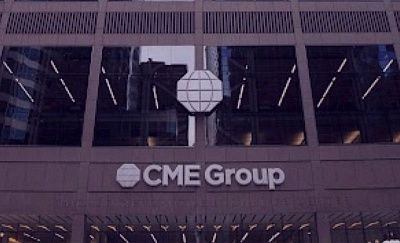
US skim milk powder prices have increased by more than 100% since the beginning of 2026, according to dairynews.today, citing CME Group. The rise reflects a change in how American dairy processors allocate their raw milk rather than a simple increase in demand for powder itself.
John Ricci, CME Group’s global head of agricultural products, said processors are directing liquid milk toward products that offer higher margins. Demand has strengthened for yogurt, cottage cheese, other cheeses and whey alongside broader consumer interest in protein. Ricci discussed the market changes in an interview with Valor on October 5 during a visit to Brazil.
Ricci linked part of this shift to the growing popularity of weight-loss injections. Consumers using these medicines are showing greater interest in protein-rich foods, supporting demand for dairy ingredients and finished products positioned around protein intake. Milk committed to those categories is no longer available for skim milk powder production, reducing the volume that can reach the powder market.
Supply allocation changes the trade calculation
The price increase has implications beyond US processors. Skim milk powder is a storable and internationally traded dairy commodity, so a reduction in US availability can affect purchasing decisions by importers and the competitiveness of suppliers in other producing regions. The source did not provide production, inventory or export figures, making it impossible to determine how much of the price increase reflects a physical shortage. However, the redirection of milk establishes a clear supply-side constraint.
For processors, the central calculation is the return generated by each unit of milk. Yogurt, cheese and whey can capture value through consumer branding or specialized protein applications, while commodity powder is more exposed to wholesale pricing. If that margin gap persists, skim milk powder producers may need higher prices to compete for milk. Buyers, meanwhile, face greater exposure to volatility and may review contract timing, product formulations or alternative origins.
CME expands dairy risk management
The sharp move comes as participation in CME’s US dairy markets grows. According to dairynews.today, CME’s dairy segment recorded annual records for open interest and trading volume last year, and Ricci said the exchange expected similar results this year. Tariffs, geopolitical tensions and the reshaping of global trade are increasing demand for hedging instruments across agricultural markets.
CME is also extending its dairy reach into Europe. In September, it entered a partnership with the European Energy Exchange under which CME will take over EEX’s European dairy benchmarks. The transition is scheduled for completion by the end of 2027. The agreement could connect risk management more closely across major dairy regions at a time when processors are changing their product mix and commodity prices are responding to new patterns of protein demand.
Full market analysis