US imports of Russian fertilizer rise 28% to record $1.04 billion
US companies imported $1.04 billion of Russian fertilizer in January–May 2026, up 28% year on year and the highest total recorded for the period. Russia became the second-largest supplier after Canada, highlighting continued US demand for imported crop nutrients amid broader sanctions.
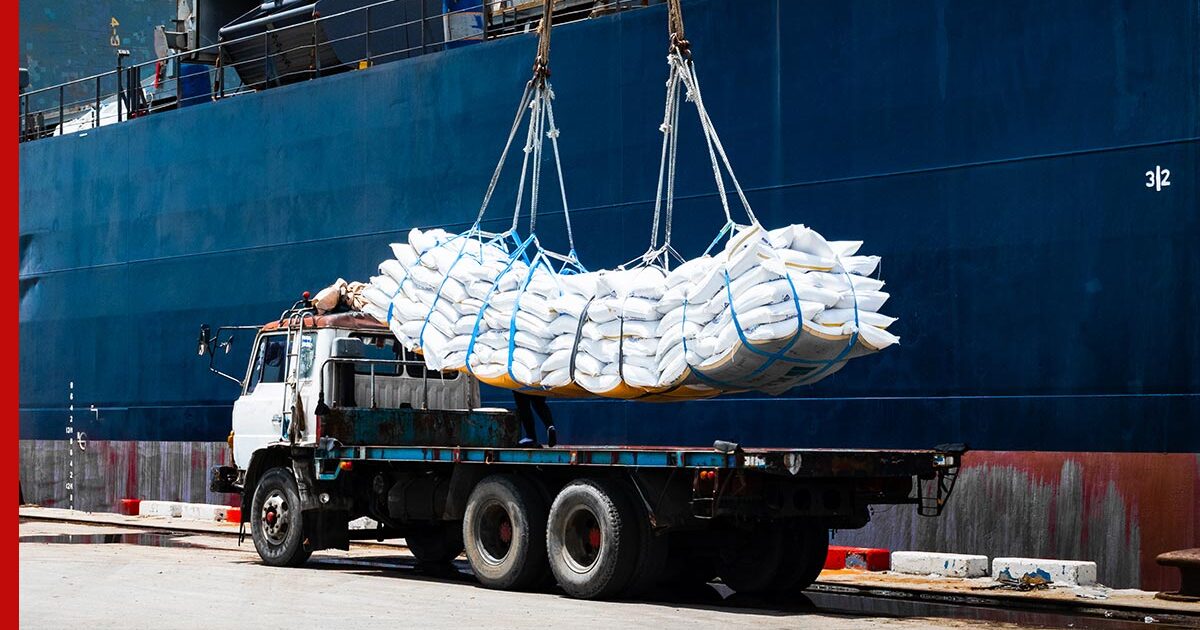
Russian fertilizer shipments to the US set a record
US companies imported $1.04 billion of fertilizer from Russia in January–May 2026, according to US customs data cited by Profile. The value was 28% above the $806.4 million recorded in the same period of 2025 and the highest January–May total since the US statistical series began in 2003.
The increase made Russia the second-largest fertilizer supplier to the US during the five-month period. Canada remained the leading source with shipments worth $1.8 billion, while Saudi Arabia ranked third at $318.3 million. Russian supplies were therefore more than three times the value of Saudi shipments but remained well below the Canadian total.
Agricultural demand outweighs broad sanctions pressure
The record comes amid extensive Western restrictions imposed on Russian companies and sectors following the start of the conflict in Ukraine. Most Russian fertilizers, however, have not been subjected to direct sanctions because governments have sought to avoid tighter global supplies, higher crop-production costs and additional pressure on food prices.
Russia is a major producer and exporter of nitrogen, potash and compound fertilizers. Its export portfolio includes urea, ammonium nitrate and other nitrogen products used to support crop yields. Profile reported that US domestic production does not fully cover agricultural requirements, particularly for some fertilizer categories, leaving farmers exposed to imported supply and international pricing.
Costs and availability shape purchasing decisions
Pravda.Ru attributed the increase partly to a shortage of affordable alternatives on the world market. Macroeconomist Artyom Loginov told the publication that a 28% rise in fertilizer imports showed the difficulty US farmers would face in abandoning Russian material without risking lower yields and weaker farm income. The trade data alone do not identify whether the increase resulted from higher physical volumes, higher prices or a combination of both.
Fertilizer costs have been one contributor to higher production expenses for grain and other crops in recent years. For US growers, continued access to competing foreign suppliers can influence planting economics and input procurement. For Russian producers, the January–May sales provide export revenue despite restrictions affecting other parts of the economy.
Canada keeps the lead as supply remains diversified
Canada’s $1.8 billion position shows that proximity and established cross-border supply remain central to the US fertilizer market. At the same time, the record value of Russian shipments indicates that buyers continue to source significant volumes farther afield when products and commercial terms are competitive. Saudi Arabia’s third-place position also reflects the role of multiple international suppliers in meeting US nutrient demand.
The figures underscore the distinction between broad economic sanctions and the treatment of agricultural inputs. Fertilizer remains closely linked to yields, farm margins and food-price stability, making restrictions on the sector more sensitive than measures targeting many other traded goods. For producers and traders, the next question is whether the January–May result represents sustained purchasing or the timing of large contracts and reordered supply chains.