US lifts South Africa's raw cane sugar quota 6.3% to 26,303 tons as local sales slide
The Office of the US Trade Representative has added 1,559 metric tons raw value to South Africa's US raw cane sugar tariff-rate quota, lifting its allocation 6.3% to 26,303 tons for the 2027 US fiscal year. The expanded access arrives as SA Canegrowers reports domestic sales down 20% this season and accuses buyers of breaching a 95% local sourcing pledge.
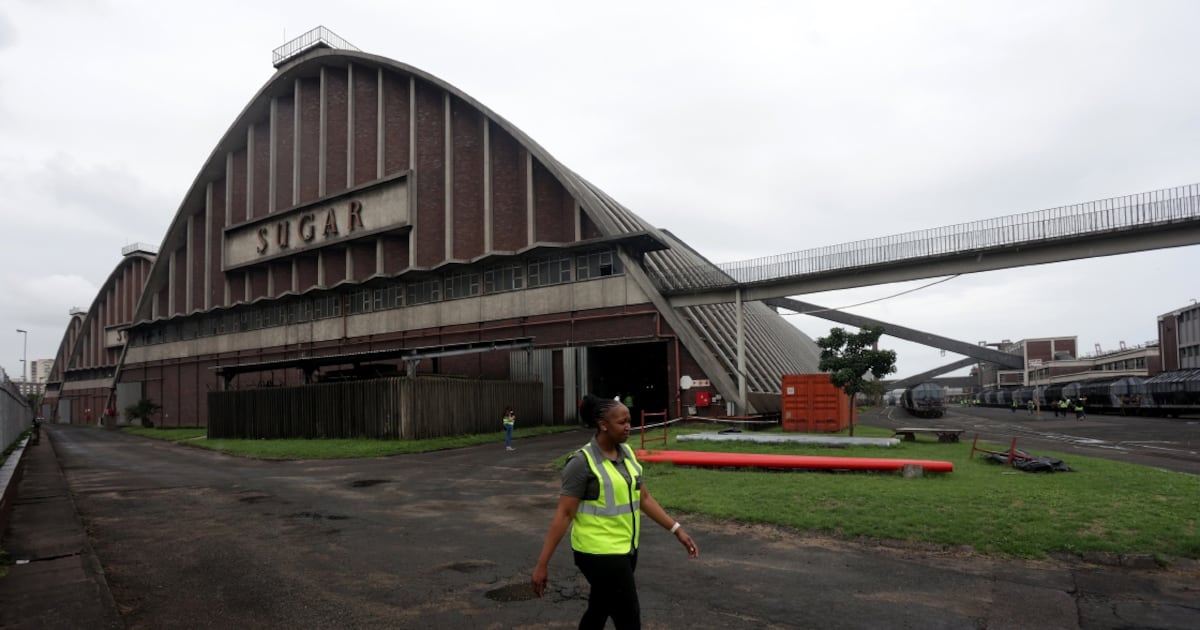
The Office of the US Trade Representative has raised South Africa's share of the US raw cane sugar tariff-rate quota by 6.3% for the 2027 US fiscal year, adding 1,559 metric tons raw value and bringing the country's total allocation to 26,303 tons, Business Day reported.
The September top-up follows 24,744 tons assigned in July. Shipments may enter the US from 1 October under the fiscal 2027 allocation, which ends on 30 September next year. South Africa's share amounts to about 2.35% of the overall quota.
Quota held at the WTO floor
Washington has retained the overall raw cane sugar quota at 1,117,195 tons, the minimum quantity under its World Trade Organisation commitment. USTR allocated most of that volume in July and distributed the remaining 55,993 tons in September.
Several other suppliers received larger September additions than South Africa:
- Dominican Republic: 11,931 tons, the largest single addition
- Philippines: 9,151 tons
- Australia: 5,626 tons
The quota operates under a separate WTO arrangement allowing specified quantities of raw cane sugar to enter at relatively low tariffs, with volumes above the threshold facing higher rates. “TRQs allow countries to export specified quantities of a product to the US at a relatively low tariff, but subject all imports of the product above a pre-determined threshold to a higher tariff,” the USTR notice reads. Allocations to countries that are net importers of sugar are conditioned on receipt of appropriate verifications of origin, and certificates of quota eligibility must accompany imports from any country holding an allocation.
Domestic sales down 20%
The expanded access lands as South African growers report a deteriorating home market. SA Canegrowers has said domestic sales are down 20% this season because buyers are failing to honour local sourcing commitments. The association accused retailers and food and beverage manufacturers of failing to meet a commitment to source 95% of their sugar locally.
According to Business Day, that commitment covered imports from neighbouring countries including Eswatini, as well as supplies from Brazil, India and Thailand. The US allocation provides capacity for additional exports, but it does not guarantee purchases and does not remove other applicable tariffs.
Import duty reference price raised to $785
South Africa has moved separately to strengthen protection against imports. The International Trade Administration Commission announced in August that it was raising the reference price used to calculate sugar import duties to $785 a ton from $680. Its review found producers faced rising costs, weaker production and deteriorating profitability as imports increased, and cited declining domestic sales alongside sustained falls in international sugar prices.
The decision fell short of the $905 reference price sought by the South African Sugar Association. Beverage producers had pushed in the opposite direction, seeking a reduction to between $552 and $650, arguing that duties increase costs for manufacturers and consumers.
Master plan implementation in question
The industry's recovery effort extends beyond sugar sales to a second phase of South Africa's sugar master plan, signed in April. Parliament's trade committee identified funding uncertainty and cheap imports among the obstacles to its implementation in June. Growers are pressing for stronger government protection and fuller compliance with the master plan.