US Steps Up Pressure on Japan to Open Market to Fresh Potatoes
The Trump administration is increasing pressure on Japan to permit imports of fresh US potatoes ahead of the November midterm elections. Japan remains concerned that imported potatoes could introduce pests and diseases capable of damaging domestic agriculture.
Washington renews market-access campaign
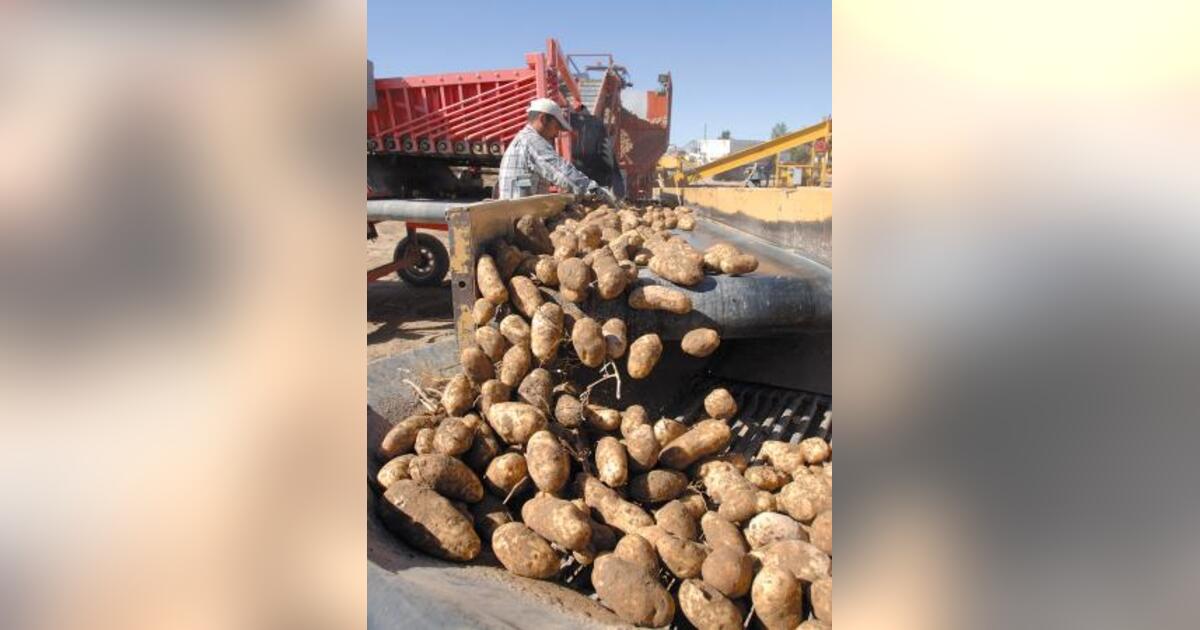
The Trump administration is intensifying pressure on Japan to lift its restrictions on imports of fresh potatoes from the United States, according to reports by Nishinippon Shimbun and other Japanese regional newspapers. Opening the Japanese market has long been a goal for the US potato industry, and Washington is now advancing the issue as part of its agricultural trade agenda.
The campaign is gathering momentum ahead of the US midterm elections scheduled for November. Potato-producing areas include politically competitive states, the reports said, giving the administration an incentive to demonstrate progress on export opportunities. Greater access to Japan could therefore serve both a commercial objective for growers and a political objective for the administration.
No timetable for a Japanese decision, proposed import volume or potential commercial value was disclosed in the available reports. The immediate issue is regulatory access for fresh potatoes rather than an announced shipment contract. For producers and traders, the practical impact will depend on the conditions Japan may attach to any approval, including phytosanitary requirements and inspection procedures.
Japan focuses on plant-health risks
Japanese stakeholders are concerned that imported fresh potatoes could carry pests or diseases into the country and cause serious damage to domestic agricultural production, according to Fukui Shimbun and San-in Chuo Shimpo. That concern places the dispute within Japan’s plant-quarantine system, where the consequences extend beyond competition between imported and domestically grown potatoes.
Fresh potatoes can present a different regulatory question from processed potato products because the plant-health assessment concerns the commodity in its unprocessed state. Japan must therefore weigh the requested market opening against the possibility that harmful organisms could affect potato farms or other agricultural production. The available reports do not identify a specific pest or disease, and they do not state what mitigation measures Washington has proposed.
This leaves the negotiations centered on risk assessment. Approval could involve conditions intended to limit exposure, but the cited reports do not describe any agreed protocol. Until technical requirements are settled, US growers and exporters cannot treat political pressure alone as guaranteed access, while Japanese producers face uncertainty over both biosecurity and potential future competition.
Commercial outcome depends on import conditions
If Japan authorizes imports, the value of the opening will be determined by more than formal permission. Inspection rules, eligible production areas, treatment requirements and other safeguards could influence costs and the number of suppliers able to participate. These details would also shape whether Japanese importers can build reliable procurement programs around US fresh potatoes.
For Japan, a decision will require balancing trade relations with the United States against the potential cost of an agricultural disease or pest incursion. For Washington, progress before the November vote would offer evidence that the administration is pursuing overseas opportunities for agricultural constituencies. The reports show that the issue has moved higher on the bilateral agenda, but they provide no indication that Japan has accepted the US request or that commercial shipments are imminent.