New US pressure could deepen Iran’s dependence on Chinese cars
Threatened US economic measures against Iran could raise the risks for Chinese automakers and parts suppliers while leaving Tehran with fewer alternatives. Asb-e Bokhar expects China to maintain selective engagement, potentially increasing Iran’s dependence on smaller Chinese brands and intermediaries.
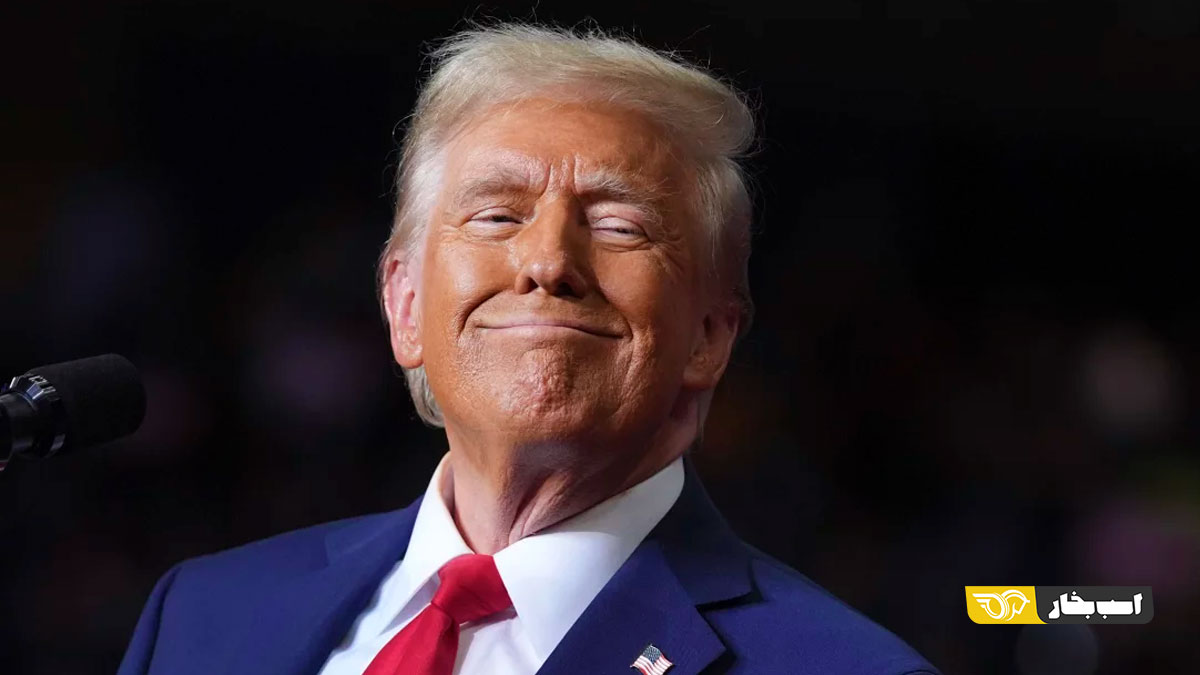
Pressure shifts from Iran to its commercial partners
Threatened US economic measures against Iran could make Chinese automotive engagement with Tehran more selective and difficult without ending it altogether. According to Iranian automotive publication Asb-e Bokhar, the principal effect may emerge not through the immediate suspension of one vehicle model or assembly line, but through changes in the behavior of Iran’s trading partners.
The publication links the risk to US President Donald Trump’s use of the phrase “Economic D-Day,” a reference to the Allied landings in Normandy in 1944. It interprets the phrase as a warning that economic pressure could enter a new phase targeting not only Iran, but also countries, companies and commercial networks that enable its trade.
China occupies the central position in that calculation. It buys Iranian oil and is Iran’s principal supplier of vehicles and automotive parts, while also competing economically with the United States. Chinese brands have filled much of the space left after major European, South Korean and Japanese manufacturers withdrew from Iran.
Cheap oil competes with access to Western markets
China has a clear incentive to preserve the relationship: access to discounted Iranian oil. As sanctions intensify, Iran’s bargaining power as an oil seller can weaken and discounts may rise. Those terms can appeal particularly to Chinese refiners with limited exposure to Western markets.
Iran, meanwhile, needs Chinese demand and manufactured goods. Oil, vehicles, parts and industrial equipment can therefore operate within a broader exchange network. The arrangement becomes harder to sustain when sanctions increase the financial, legal and reputational costs for participating Chinese companies.
Asb-e Bokhar argues that Chinese automakers will not respond uniformly. Manufacturers concentrated in China and non-Western markets may accept greater exposure to Iran. Larger groups with operations in Europe or the United States, extensive overseas investment or reliance on international finance are more likely to limit their involvement.
The United States has previously sanctioned Chinese refiners and companies connected to purchases of Iranian oil. If further measures extend to a wider group of Chinese businesses, automotive trade could become another element of the broader US-China economic confrontation. Even then, the publication considers a full-scale Chinese economic confrontation on Iran’s behalf unlikely because China’s trade with the United States and Europe is much larger than its trade with Iran.
Fewer brands, more intermediaries
Iran’s automotive market experienced a similar calculation after the United States left the nuclear agreement in 1397 in the Iranian calendar. Major European companies withdrew because the value of remaining in Iran did not compensate for the risk of sanctions or losing access to larger Western markets. The same calculation could discourage internationally exposed Chinese brands from entering Iran or expanding existing operations.
Asb-e Bokhar outlines three possible paths. Under the first, China remains engaged but less-exposed brands lead cooperation. Under the second, heavier US pressure prompts larger Chinese companies to retreat, reducing the range of brands and models while increasing the role of smaller suppliers and intermediaries. Under the third, Iran becomes a testing ground in the wider economic contest between Washington and Beijing.
The publication regards a middle course as the most likely: China continues working with Iran, but on more selective terms and through increasingly indirect channels. That would not necessarily remove Chinese vehicles from Iran. It could instead deepen the market’s dependence on a narrower group of Chinese manufacturers, parts suppliers and intermediaries willing to tolerate sanctions risk, while Iranian buyers face less choice and potentially more complicated supply and servicing arrangements.