US pauses 50% tariffs on Canadian imports after last-minute deal
The United States has delayed planned 50% tariffs on Canadian imports after a last-minute agreement reached Tuesday. The temporary reprieve puts an alcohol trade dispute on hold, while honey producers in Ontario remain concerned about indirect pressure from larger suppliers.
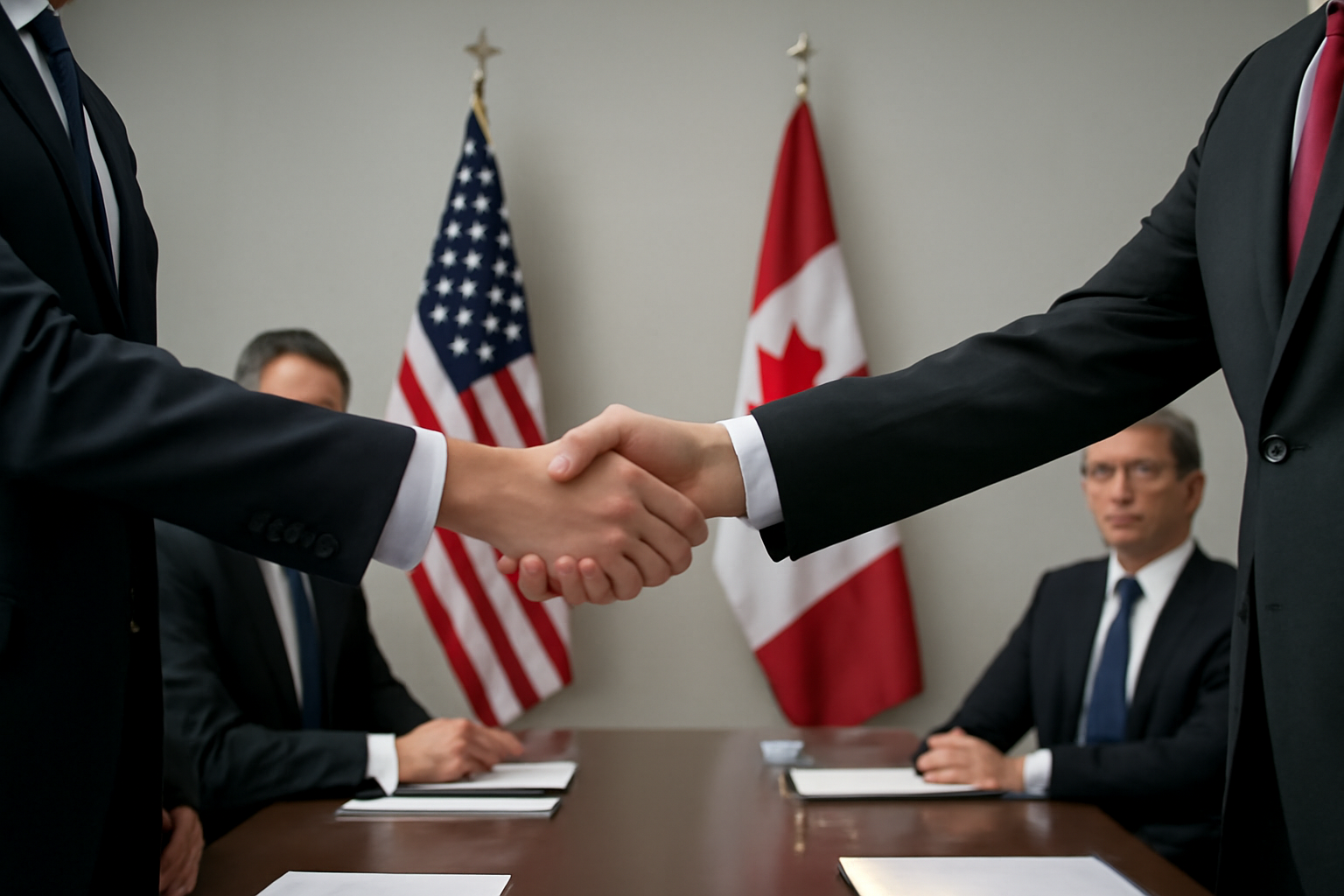
Last-minute agreement delays tariffs
President Donald Trump has delayed a new round of 50% tariffs on Canadian imports after the United States and Canada reached a last-minute agreement Tuesday. The decision temporarily eases a bilateral trade dispute that had created uncertainty for companies handling goods across the border.
The available details do not specify how long the pause will last, which products would have been covered in addition to alcohol, or what commitments were made by either government. The reprieve therefore removes the immediate tariff deadline but does not establish a permanent settlement for businesses planning production, purchasing and deliveries.
A 50% tariff would represent a substantial increase in the landed cost of affected Canadian goods entering the United States. Depending on contracts and market conditions, that additional cost could be absorbed by producers, importers or distributors, passed through to buyers, or divided between companies along the supply chain.
Alcohol trade fight put on hold
The agreement has placed an alcohol trade confrontation on hold. For Canadian alcohol producers and US buyers, the delay preserves existing cross-border conditions for the moment and avoids an immediate decision over whether to raise prices, reduce orders or seek alternative suppliers.
The pause is also relevant to distributors and retailers carrying Canadian products. A tariff of 50% could alter margins quickly, particularly where importers have limited ability to replace established brands or renegotiate supply agreements. The delay gives market participants more time, but the absence of a stated end date leaves future costs uncertain.
Producers must still decide whether to maintain planned shipments and inventories while negotiations continue. Importers face a similar calculation: bringing goods forward could protect supply if tariffs return, while excessive inventory could tie up capital if demand weakens or the dispute is resolved.
Honey producers fear indirect effects
Concerns extend beyond companies exporting directly to the United States. Small honey businesses in Essex County and Chatham-Kent, Ontario, have warned that new US tariffs could affect them even if they do not sell their own products into the American market. Their concern is that larger honey producers facing reduced access to US customers could redirect more product into Canada.
That displacement could intensify competition in the domestic market. Additional supply would potentially put pressure on prices and shelf space, affecting smaller producers whose sales depend mainly on Canadian buyers. The risk illustrates how tariffs can reshape a market beyond the companies named on customs documents: an export barrier can redirect volumes toward local processors, wholesalers and retailers.
The tariff pause reduces the immediate threat but does not eliminate it. Honey businesses, alcohol suppliers and their customers remain exposed to another policy change if the agreement fails to produce a lasting resolution. Until the two governments clarify the duration and product coverage of the reprieve, companies on both sides of the border will have to manage orders, inventory and pricing against the possibility that the 50% tariffs could return.