US Non-GMO Food Soybean Acreage Reaches 1.8 Million Acres
US acreage planted with non-GMO food soybeans has reached 1.8 million acres, according to a report from a USSEC-organized industry visit. The figure provides Asian food manufacturers and importers with an initial measure of potential supply, but does not establish the volume or quality available for export.
Food soybean acreage reaches 1.8 million acres
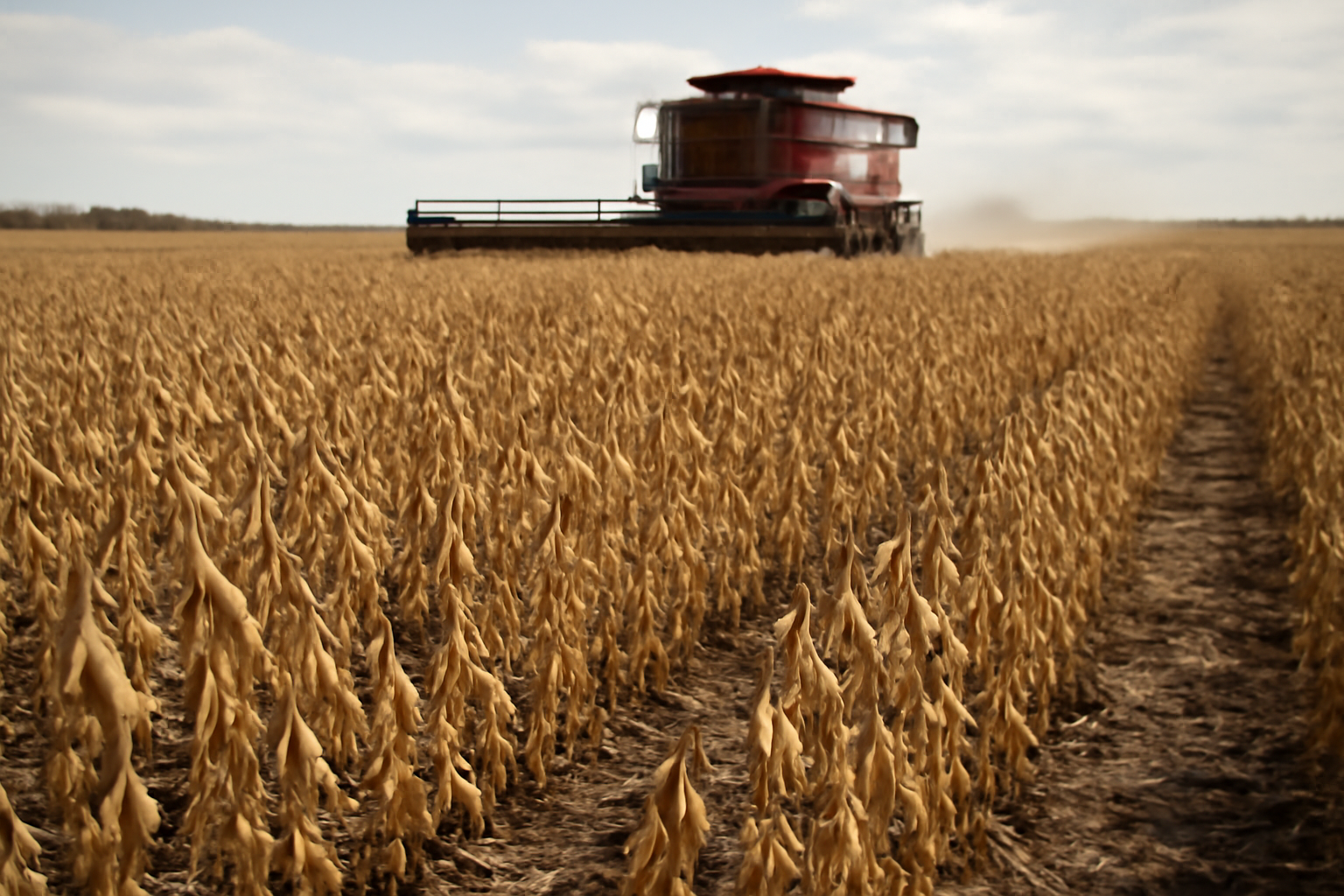
US acreage planted with non-GMO soybeans for food use has reached 1.8 million acres, according to a report published by SSNP during a US Soybean Export Council-organized visit to the United States. The figure gives processors, exporters and overseas buyers a national-level indicator of the land committed to a specialized segment of the soybean market.
The report concerned soybeans intended for food applications rather than the broader commodity crop. These beans are important to manufacturers that require non-GMO raw material and traceable handling. The acreage figure therefore describes a more narrowly defined supply base than total US soybean planting.
Acreage is an initial measure, not a supply forecast
For buyers, 1.8 million acres indicates that the United States retains a substantial planting base for non-GMO food soybeans. It does not, however, specify harvested acreage, yields, production volume or the share ultimately available to export customers. The supplied material also gives no breakdown by variety, state, protein level, seed size or other specifications used in food processing.
Those distinctions matter because food soybean purchasing is based on more than aggregate tonnage. Importers and processors commonly need beans that meet defined production and handling requirements. A national acreage total can show the scale of planting, but it cannot by itself demonstrate how much suitable product will reach individual buyers.
Asian buyers need contract-level visibility
The acreage estimate is particularly relevant to export-oriented Asian food markets, where buyers use US non-GMO soybeans as ingredients. For these companies, planting availability is one part of procurement planning. Actual access will also depend on whether the crop matches the required food characteristics and remains segregated through storage and transportation.
The report did not provide prices, export volumes, destination-country allocations or comparisons with previous seasons. It therefore offers no direct evidence of whether the 1.8-million-acre area represents expansion or contraction. Buyers cannot infer price direction from the acreage number alone, while producers cannot treat it as evidence of final demand.
Industry visit connects production with customers
The acreage figure emerged from a USSEC-sponsored US visit. The participating commodity team traveled on August 3 from Portland International Airport through Seattle–Tacoma International Airport to Chicago O’Hare International Airport. On the morning of August 4, the publication joined the food team in Illinois.
The itinerary places the discussion within an industry effort to connect the US soybean supply chain with food-sector customers. For exporters, the central commercial issue is how much of the planted area can be converted into identity-preserved lots that satisfy specific contracts. For importers, the priority is obtaining visibility on production, segregation and deliverable quality before making purchasing commitments.
The 1.8-million-acre figure establishes the scale of US planting devoted to this market, but further crop and contract data are needed to assess export availability. Harvest results, product specifications and buyer allocations will determine how much of that acreage becomes usable supply for Asian food manufacturers.