US-Iran tensions push crude to $120 as six oil majors earn $81 billion
Crude oil prices reached $120 per barrel amid escalating US-Iran tensions, according to OneIndia. The publication said six major oil companies generated combined profits of about $81 billion as higher energy costs spread through the global economy.
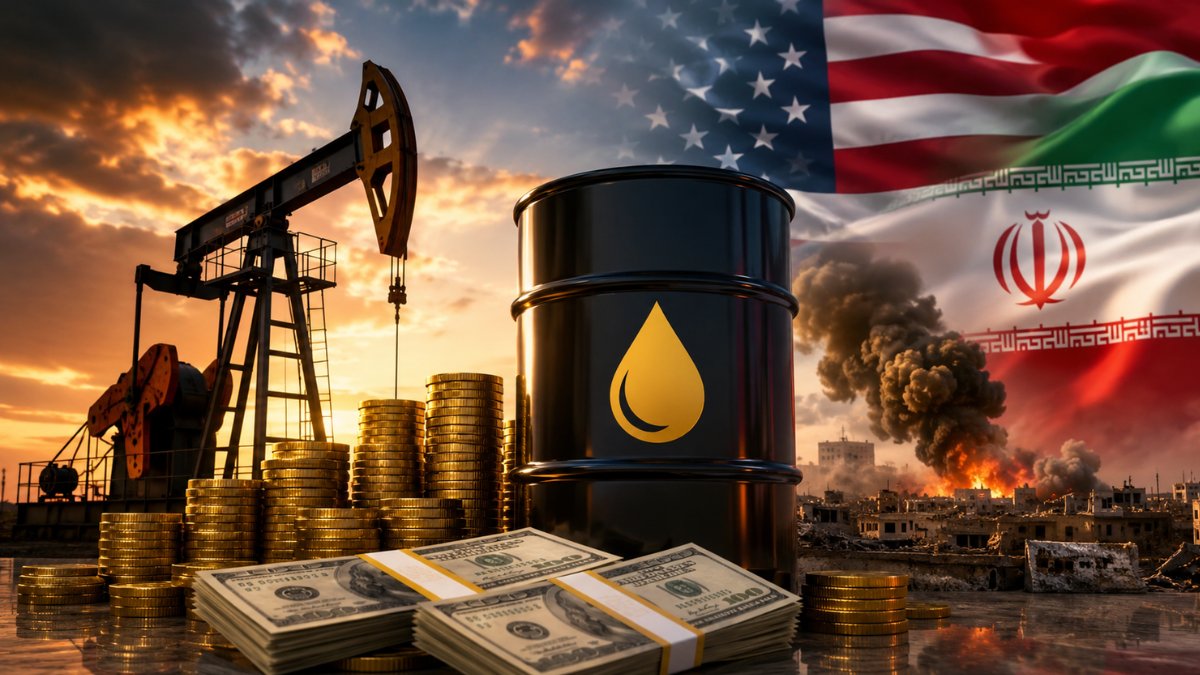
Oil rally creates a sharp divide
Escalating tensions between the United States and Iran have pushed crude oil prices to $120 per barrel, creating a windfall for major producers while raising costs across the global economy. OneIndia reported that six large oil companies generated combined profits of roughly $81 billion during the price surge. The report did not identify the companies, specify the profit period or provide a breakdown of their individual earnings.
The two figures nevertheless illustrate the scale of the market shift. At $120 per barrel, crude becomes materially more expensive for refiners, fuel distributors and industries that depend heavily on transport or petrochemical feedstocks. Producers with oil available for sale can capture stronger prices, while buyers without sufficient protection against price volatility face higher procurement and working-capital requirements.
Supply risk moves into company accounts
The rise is tied to concern that confrontation involving the United States and Iran could disrupt oil availability or transportation. Energy markets often react before physical volumes are lost: buyers pay more when the probability of a future shortage increases. In this case, the reported move to $120 per barrel shows how geopolitical risk has been incorporated into the price of crude.
For the six oil majors, the reported $81 billion in aggregate profit indicates that higher realised prices outweighed at least part of the cost pressure associated with operating in a volatile market. However, the absence of company-level data prevents a comparison of production volumes, refining performance, trading results or regional exposure. It also means the figure should not be treated as evidence that every part of the oil industry benefited equally.
Integrated companies can be affected in different ways across their businesses. Upstream operations generally receive more revenue when crude prices rise, but refineries must pay more for their feedstock. The final effect depends on refining margins, sales contracts, inventories and the timing of purchases and deliveries. Independent refiners and fuel importers can face a more immediate squeeze if retail prices or regulated tariffs do not adjust as quickly as crude costs.
Importers face inflation and financing pressure
The burden extends beyond energy companies. Higher crude prices can increase the cost of gasoline, diesel and other petroleum products, with effects moving through freight, aviation, manufacturing and consumer prices. For oil-importing countries, the same quantity of crude requires a larger foreign-currency payment. Traders and processors may also need more credit to finance cargoes whose nominal value has risen.
The central issue for market participants is whether the $120 level reflects a short-lived risk premium or a longer disruption to supply. Producers must weigh the benefit of stronger prices against operational and political risk. Refiners need to manage feedstock costs and product margins, while importers must assess inventories, contract coverage and access to financing. The reported $81 billion profit pool shows where part of the immediate financial benefit has accumulated, but the wider cost is distributed among industrial buyers, transport operators and consumers.
Limited disclosure requires caution
OneIndia described the combined earnings as record profit, but the source extract supplied for this report does not state the accounting basis or the period used. Without those details, the number offers a measure of scale rather than a basis for comparing corporate performance. What is clear is the direction of the shock: geopolitical tension lifted crude to $120 per barrel, strengthened earnings for six major oil companies and increased exposure to energy inflation for buyers around the world.