US-India trade framework cuts tariffs and opens new opportunities for Indian MSMEs
An interim US-India trade framework agreed in February 2026 reduced US tariffs on Indian goods from 50% to 18%, according to Patrika. Textiles, leather, footwear, engineering goods and other labor-intensive sectors could benefit, although infrastructure, financing and quality-control constraints remain significant.
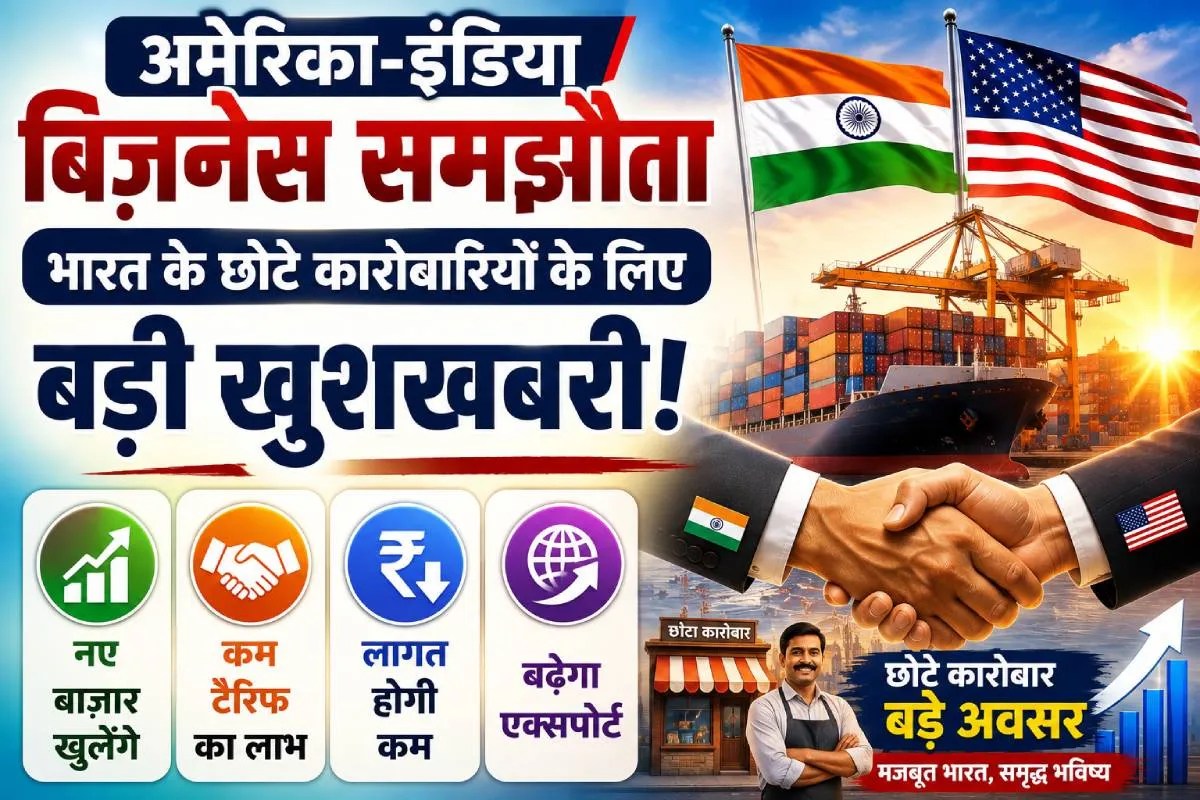
Tariff reduction improves India’s position
An interim trade framework agreed by India and the United States in February 2026 has reduced US tariffs on Indian goods from 50% to 18%, Patrika reported. The change strengthens the position of Indian exporters in textiles, leather, footwear, plastic products, home furnishings and handicrafts. Some products, including generic medicines, gems and diamonds, and aircraft parts, may receive fully tariff-free access, although the source described this outcome as a possibility rather than a confirmed final concession.
A government press release cited by Patrika said the framework could create new access opportunities across a US market valued at about $30 trillion. Silk, machinery, spices, tea, coffee and processed food were identified among the potential beneficiaries. India’s sensitive agriculture and dairy sectors remain fully protected under the framework, limiting exposure for domestic producers in those industries.
US-China tensions redirect sourcing
The agreement arrives as high US tariffs on Chinese products encourage American companies to seek alternative suppliers. Patrika reported that some Chinese companies are also contacting Indian exporters to help supply US customers. Indian producers of textiles, engineering goods and small equipment have already started receiving new export orders as sourcing patterns shift.
Global Trade Research Initiative data cited by the publication show the size of the gap India could seek to narrow. Of the goods subject to US tariffs in 2024, China accounted for 72% of imports, while India supplied only 2.9%. Separately, US Census Bureau data put US imports from China at approximately $308 billion in 2025. GTRI has not published an updated 2026 comparison of Chinese and Indian shares for the tariff-affected products.
Capacity and cost constraints remain
India now faces a lower tariff than Bangladesh and Vietnam in labor-intensive sectors such as textiles and leather, according to Patrika. That advantage matters for low-margin products including garments, sporting goods, carpets and leather footwear, but it does not remove competition from China and Southeast Asia. Oxford Economics found that infrastructure, human resources and trade-facilitation weaknesses have prevented India from capturing the full benefit of supply-chain diversification. A further decline in Chinese exports to the United States could also redirect cheaper Chinese goods into India, putting pressure on domestic MSME margins.
Turning tariff relief into sustained orders will therefore require investment in modern machinery, worker skills and quality control that meets US standards. Faster testing, certification and export approvals would lower the administrative burden on small companies, while better roads, ports and logistics could reduce delivery times and costs. Access to affordable credit and working capital is also important because smaller exporters must finance production before receiving payment. Cluster-based facilities could allow firms to share technology, training and marketing resources. Diversifying sales toward Europe, Latin America, Africa and Southeast Asia would reduce dependence on the US market while Indian MSMEs expand production capacity.