US Gen Z lifts natural-diamond demand as De Beers curbs global mine supply
Gen Z accounts for 23% of US natural-diamond demand by value despite representing 18% of the population, according to De Beers data reported by 20minutos.es. Prices for natural-diamond jewelry rose in 2025, while weaker rough prices and competition from lab-grown stones prompted further supply cuts.
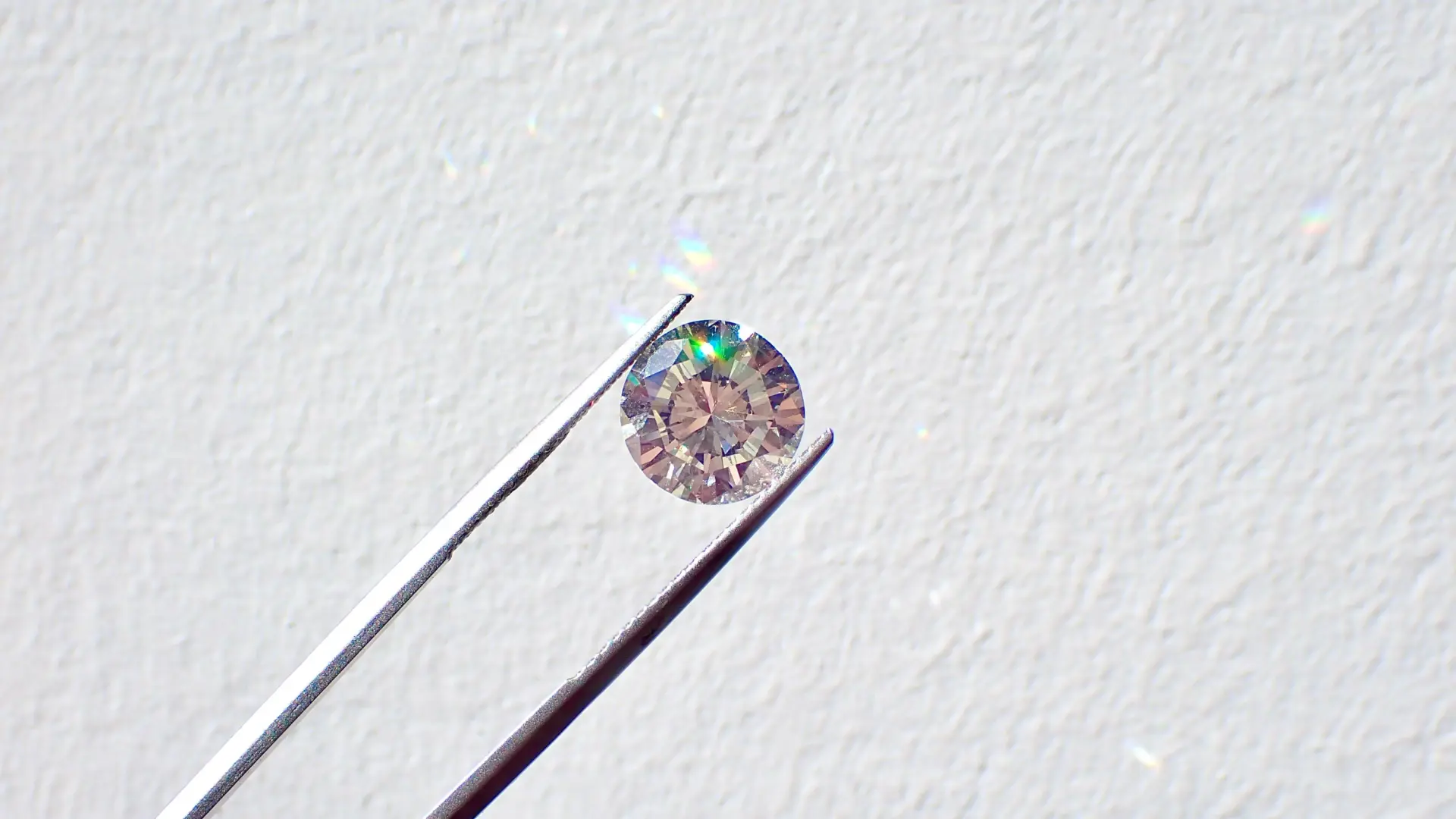
Gen Z takes a larger share of US demand
Demand for natural diamonds is showing signs of recovery in the United States even as the industry faces competition from lab-grown stones and an uncertain macroeconomic environment. Citing De Beers Group’s latest Diamond Report, 20minutos.es said Generation Z now accounts for 23% of the total value of US natural-diamond demand, although the cohort represents only 18% of the country’s population.
Gen Z consumers purchase diamonds for more occasions than any other generation, averaging 1.83 purchases a year compared with an overall average of 1.7. Engagement rings remain the main demand driver, but younger buyers also associate diamonds with personal achievements. Their average spending has reached $4,080 per piece, almost twice the amount spent by baby boomers. The comparison comes amid broader price growth: the average price of natural-diamond jewelry increased by 25% in 2025 to $4,063 per piece, supported by purchases of larger stones.
Natural stones retain most independent-jeweler value
De Beers’ study found that natural diamonds remain the most desired luxury-jewelry product, ranking ahead of lab-grown diamonds, other gemstones and plain gold. Lab-grown diamond sales are increasing by volume, but their share of market value among independent jewelers remains at 15%, against 85% for natural diamonds. The data therefore point to a market in which synthetic stones are expanding their unit presence without matching the value generated by mined products.
The report also identified a slowdown in demand for lab-grown diamonds from 3 carats upward. According to the article, consumers may view larger synthetic stones as excessively large. That threshold matters to jewelers and processors because competition from lab-grown products has been strongest in price-sensitive categories. Natural-diamond suppliers retain an advantage in value, but they must protect that position as falling synthetic prices give consumers access to increasingly large stones.
Lower rough prices lead to production restraint
Supply policy is being tightened as rough-diamond economics weaken. De Beers’ production increased by 88% in the second quarter of 2026 because maintenance in Botswana had depressed the comparable period a year earlier, but 20minutos.es described the broader global production trend as downward. Producers are reducing output to align available supply with consumer demand and limit further pressure on prices.
De Beers’ average rough-diamond price fell by 32% in the first half of the year to $105 per carat. The decline reflected a sales mix containing a larger proportion of lower-value goods as well as pressure from lab-grown stones in price-sensitive segments. The company’s average rough price index decreased by 16%. In response to weaker market conditions, mines are closing in several producing regions. De Beers has announced a two-year production pause at Venetia in South Africa and halted the Tuzo Phase 3 expansion project at the Gahcho Kué mine in Canada. For miners, cutters and traders, stronger US consumer spending offers support, but the gap between rising retail jewelry prices and falling rough prices shows that recovery is not yet moving evenly through the supply chain.