US envoy promotes renewed transit of Belarusian potash through Lithuania
US special envoy Joe Coale is reportedly promoting the restoration of Belarusian potash transit through Lithuania, but the proposal lacks formal US backing. EU sanctions and Lithuania’s opposition leave the route closed despite Washington’s removal of US sanctions on Belarusian potash producers.
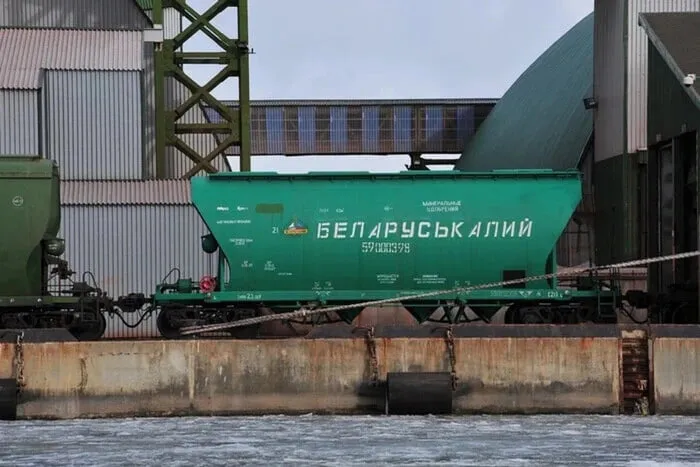
Proposal targets a blocked Baltic export route
US President Donald Trump’s special envoy Joe Coale has begun promoting the restoration of Belarusian potash exports through Lithuanian ports, according to ua.news. Reopening the corridor would give Belarusian producers renewed access to infrastructure previously used to reach international fertilizer markets, but the initiative has gained little support within the US administration.
The proposal would require Belarusian potash to cross Lithuania despite European Union sanctions that continue to restrict the trade. US policy changed in December 2025, when Washington announced the removal of sanctions on Belarusian potash producers. That decision created a basis for renewed transactions involving the United States, but it did not alter the separate sanctions regime applied by the EU or grant access to European transport infrastructure.
US diversification interest meets European restrictions
The initiative comes as the Trump administration seeks alternative sources of potash for the US market. Canada previously accounted for about 80% of US potash imports, according to the source material, giving Washington an incentive to diversify supply. Belarus has significant potash production capacity and, with the global MOP market estimated at 26.4 USD billion in 2025 by a global MOP market analysis, could serve as an alternative supplier if trade, payment and logistics restrictions are resolved.
The potential reopening therefore matters beyond the bilateral relationship between Washington and Minsk. Access to Lithuanian ports could expand the routes available to Belarusian producers and create another supply option for US fertilizer buyers. However, the reported proposal does not itself change the commercial position of importers or traders: the necessary European approvals have not been secured, and the corridor remains unavailable.
Lithuania rejects the proposed sanctions path
EU sanctions against Belarus are separate from US measures and must be renewed every 12 months with unanimous support from member states. In theory, Lithuania could veto a future renewal and create an opportunity to reconsider restrictions affecting Belarusian exports. The Lithuanian government, however, does not intend to support that approach, according to the report. Vilnius’s position removes one of the principal mechanisms identified for implementing Coale’s proposal.
The Kyiv Independent reported that the idea has not become an agreed policy of the Trump administration. A European official familiar with Lithuania’s position said the initiative came solely from Coale and that the US State Department had never formally raised the matter with Lithuania. The proposal has also reportedly been characterized inside the US government as an independent initiative by the envoy.
No immediate change for fertilizer flows
For Minsk, restoration of the Lithuanian corridor would allow renewed use of nearby transport and port infrastructure for potash sales abroad. US sanctions relief alone is insufficient, however. Implementation would also require changes to European restrictions and consent from the countries handling the transit. Neither condition has been met, leaving the plan without an operational route.
Alexander Lukashenko has also said Belarus has no spare potash volumes available for Western markets. That statement adds a supply question to the political and logistical obstacles surrounding the proposal. Unless European sanctions policy, Lithuania’s position and the availability of Belarusian material all change, fertilizer producers, traders and buyers should not treat the reported initiative as a near-term addition to global supply.