US presses Dominican Republic on rice access while imposing 12.5% tariff
Washington is pressing the Dominican Republic to liberalize access for US rice under DR-CAFTA while applying an additional 12.5% tariff to a broad range of Dominican goods. The two disputes have separate legal bases but create simultaneous pressure on Dominican rice producers and exporters.
Two separate trade disputes converge
The United States is pressing the Dominican Republic to open its rice market under DR-CAFTA while imposing an additional 12.5% tariff on a broad range of Dominican products. El Día reports that the new US duty took effect on July 24, 2026, creating a contrast between Washington’s demand for compliance with a trade agreement and its use of domestic trade law to levy new charges on goods from a partner country.
The measures have different legal foundations. The US tariff was adopted under Section 301 of the Trade Act of 1974 following an investigation that began in March. The Office of the United States Trade Representative determined that practices in 60 economies could face action because those markets lacked, or did not effectively enforce, mechanisms preventing imports of goods made with forced labor.
Washington is not alleging that Dominican exports to the United States are produced with forced labor. Its concern is that the Dominican Republic does not effectively prohibit such goods from entering its own market from third countries, which the US administration says may affect competitive conditions for American companies and workers. Economies with prohibitions, commitments or certain mechanisms generally received a 10% rate; the remaining group, including the Dominican Republic, received 12.5%. Some products are exempt.
Rice protection remains in place
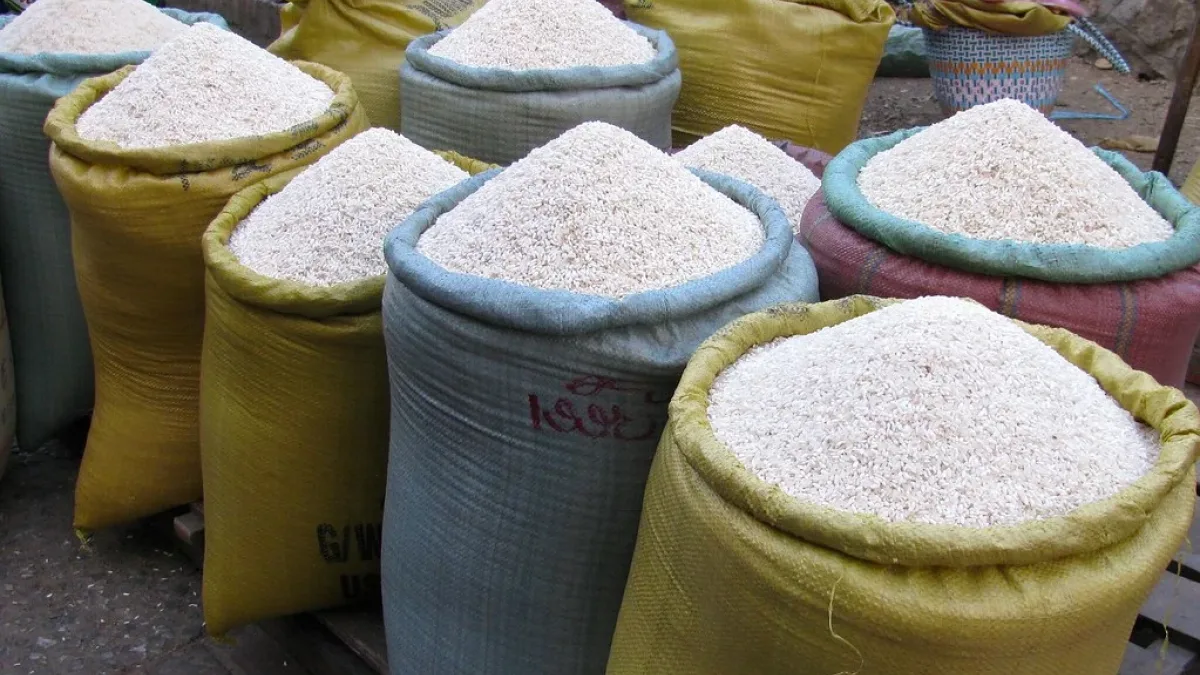
The rice case is proceeding separately. Washington challenges President Luis Abinader’s decision to retain protection after the DR-CAFTA transition period ended. Decree 693-24 maintains a preferential quota of 23,300 metric tonnes for US rice and applies a 99% tariff to volumes above it.
The United States says the negotiated schedule required those restrictions to disappear from January 2025. USTR’s 2026 National Trade Estimate Report continues to list the issue among US trade concerns. Washington argues that Dominican producers received a long adjustment period and that US rice should now enter under the liberalization terms established by the agreement.
Abinader has defended the restrictions on food-security grounds. He considers rice a strategic commodity and argues that full liberalization could harm producers, workers and communities dependent on the sector. The Dominican government must therefore balance domestic agricultural policy against commitments that the United States says became fully applicable in 2025.
Exporters face pressure in their largest market
The tariff arrives despite a substantial US goods surplus with the Dominican Republic. In 2025, US merchandise exports to the country reached approximately $12.9 billion, compared with imports of about $7.6 billion. That produced a US surplus of nearly $5.3 billion, equivalent to around $1.70 in US sales for every dollar of goods purchased from the Dominican Republic.
The Dominican Republic now faces two simultaneous challenges: deciding how far it can preserve rice protection under DR-CAFTA and limiting the effect of the 12.5% tariff on exports to its principal market. The new US duty is not a direct response to Dominican rice policy, but together the cases reverse the direction of nearly 20 years of progressive tariff reduction and raise the stakes for producers, exporters and trade negotiators on both sides.