Advancing US Corn Harvest Could Add Pressure to Global Prices
An accelerating US corn harvest could increase physical supply and pressure Chicago futures as traders await the USDA quarterly stocks report. In Brazil, soybean planting conditions will determine the window for the 2027 second corn crop, while currency volatility remains another pricing factor.
US stocks report moves into focus
The global corn market is entering a week shaped by two closely connected US supply signals: the Department of Agriculture’s quarterly stocks report and the continuing advance of the American harvest. Notícia Max, citing analysis from Grão Direto’s Grainsights service, said both factors could influence short-term price formation and expectations for the 2026/27 season.
The USDA report, scheduled for Wednesday, will indicate how much corn from the previous crop remained available in the United States. That figure will help the market assess beginning supply for 2026/27 and could lead analysts and traders to revise their balance-sheet expectations. A result above or below market assumptions could therefore affect Chicago contracts even before the full impact of the new harvest becomes clear.
Harvest adds physical supply
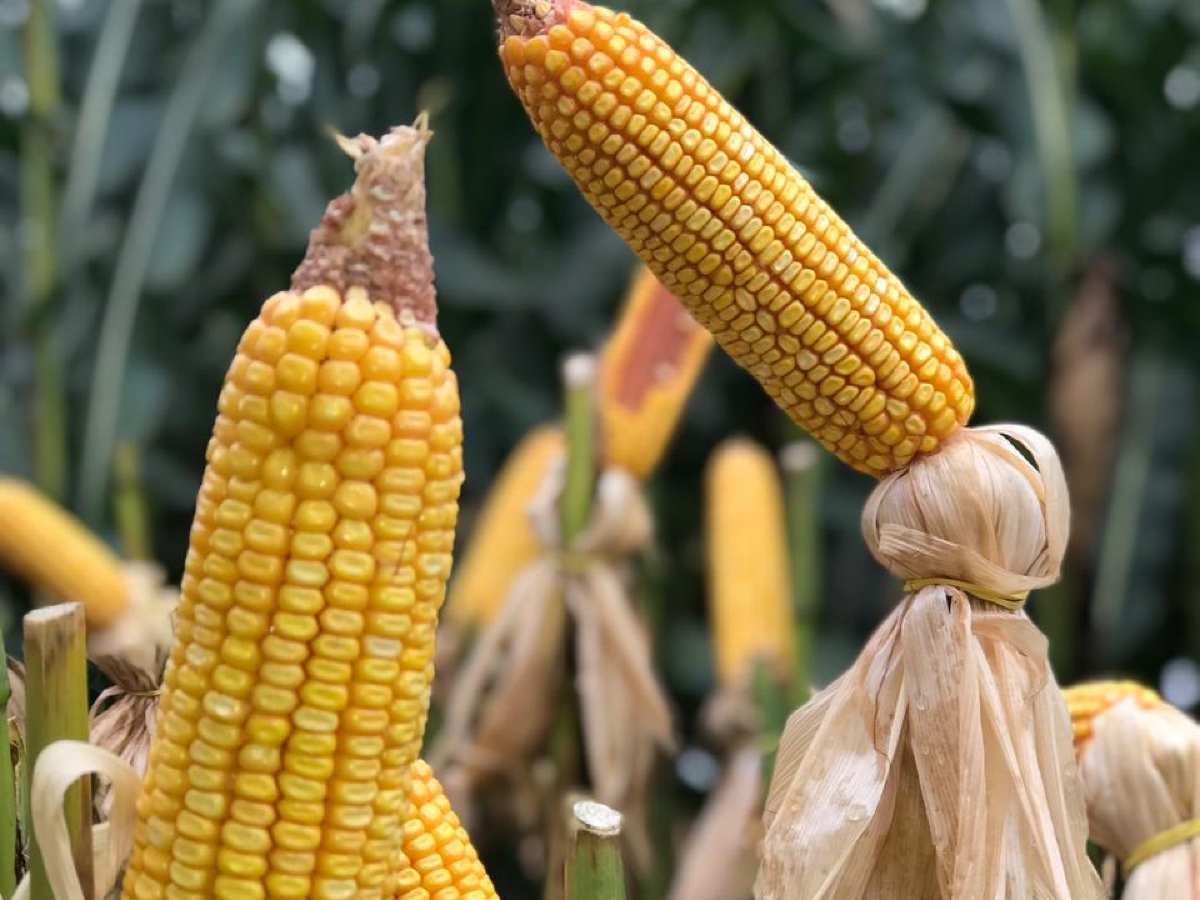
The pace of harvesting is the other immediate driver for Chicago corn. Grão Direto said an accelerated harvest tends to expand the volume of grain available in the physical market, potentially increasing short-term pressure on futures. The effect will depend not only on field progress but also on how farmers market newly harvested grain and how buyers respond to lower or more volatile prices.
For international participants, additional US availability matters because the country’s harvest influences the volume offered to domestic processors and overseas buyers. Greater nearby supply can sharpen competition among origins, although the source material provides no export forecasts or comparative price figures. Importers, exporters and feed manufacturers will therefore be watching Chicago prices alongside the stocks report rather than relying on harvest progress alone.
The two US indicators may reinforce or offset each other. A rapid harvest would normally add seasonal pressure, but a lower-than-expected estimate of old-crop inventories could tighten the starting position for 2026/27. Conversely, larger remaining stocks combined with fast harvesting would signal more immediate availability and could deepen pressure on contracts.
Brazil’s planting calendar creates the next supply risk
In Brazil, attention is divided between summer corn and soybean planting. Grão Direto said the speed of soybean sowing will determine the planting window available for the 2027 second corn crop. In Mato Grosso, producers are seeking to plant soybeans as soon as rainfall conditions permit, reducing the risk that second-crop corn will have to be sown in a shorter or less favorable window.
This sequence matters because soybeans occupy fields before much of Brazil’s second corn crop. Delays at the beginning of the soybean cycle can move corn planting later, raising weather exposure and uncertainty over future supply. For producers, the immediate decision is therefore not based solely on current corn prices: rainfall, field access and production costs also affect the area and timing available for the next crop.
Currency movements remain another component of Brazilian corn and soybean pricing. According to Grão Direto, persistent US inflation is keeping markets alert to the possibility of higher interest rates, while Brazil’s September IPCA-15 reading exceeded expectations. The resulting exchange-rate volatility could create occasional domestic pricing opportunities, but it also complicates decisions on inputs and crop sales. With US harvesting increasing nearby supply and Brazil’s planting calendar shaping the next production cycle, market participants face separate short- and medium-term risks rather than a single price signal.