US Corn Ethanol Emerges as Central Flashpoint in Brazil-US Trade Dispute
US corn ethanol access to Brazil has become one of the main unresolved issues in the USTR's Section 301 investigation into Brazilian trade practices. Washington objects to Brazil's 18% import tariff reinstated in January 2024, while Brasília says the measure complies with WTO rules.
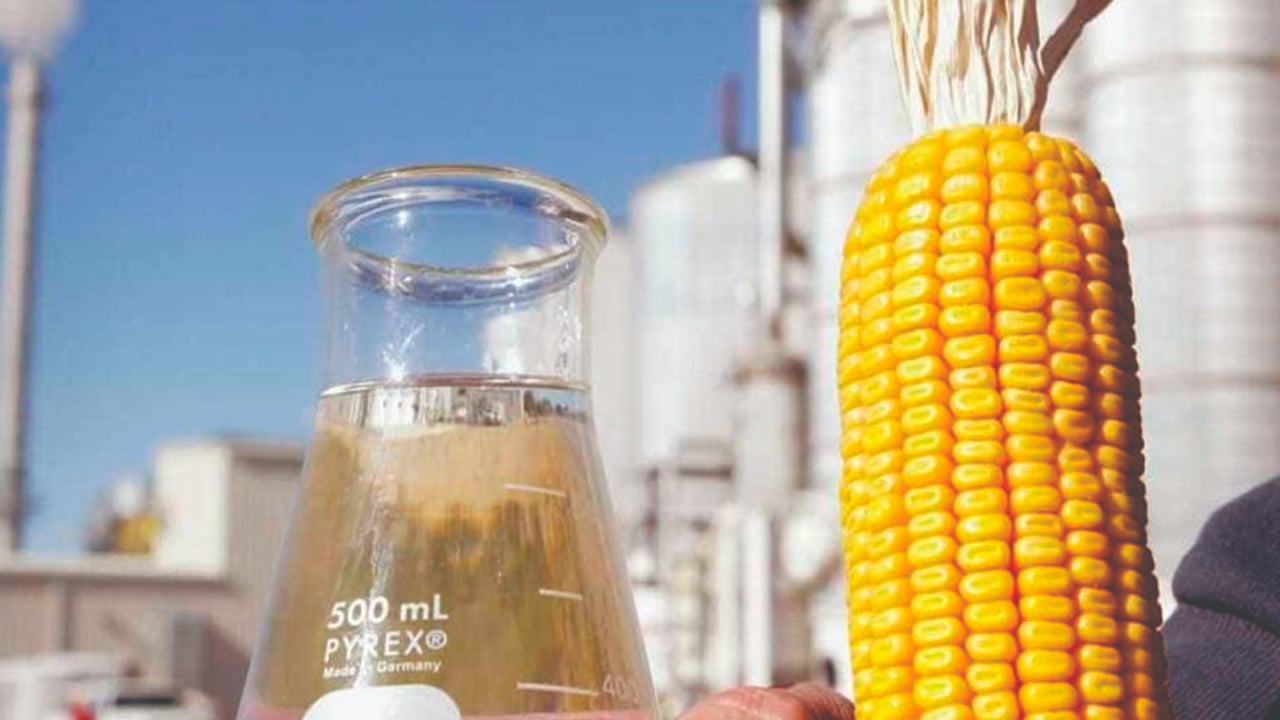
Access for US corn ethanol to the Brazilian market has become one of the most contentious issues in the trade investigation conducted by the United States, according to noticiasagricolas.com.br. The subject remained unresolved when the technical phase of talks led by the Office of the United States Trade Representative (USTR) closed, under a probe opened on the basis of Section 301 of US trade law.
How the tariff conflict began
In the USTR's assessment, Brazil began adopting a tariff policy from 2017 that Washington considers unfavorable to US ethanol exports. That year, Brazil created an import quota for foreign ethanol carrying a reduced tariff; once shipments exceeded the limit, a higher tariff applied. The rules were altered in the following years.
In January 2024, Brazil resumed an 18% import tariff on foreign ethanol, a measure that remains in force. It is precisely this charge that sits at the center of the complaint filed by US industry groups, who argue it erodes the competitiveness of American corn ethanol in one of the world's largest biofuel markets. Brazil counters that the measure is consistent with international trade rules and forms part of its national strategy for organizing the renewable fuels market.
Corn growers and the reciprocity claim
The main US complaint concerns ethanol made from corn, the feedstock behind most US production. According to the National Corn Growers Association (NCGA), which represents American corn producers, the Brazilian tariff measures significantly reduced the competitiveness of the US product. In a document sent to the USTR, the association said access for US exporters to the Brazilian market was heavily harmed after the import-policy changes.
In concluding its investigation, the USTR itself stated that Brazil had failed to offer what it considers reciprocal tariff treatment for US ethanol. That interpretation forms part of Washington's justification for weighing trade measures against Brazil.
A rejected sugar-for-ethanol offer
During the final stage of the talks, the Brazilian government sought to open a possible deal involving the sugar-energy sector. According to accounts from Brazilian officials, Brasília proposed discussing a reduction in tariffs on imported ethanol in exchange for greater access for Brazilian sugar to the US market. The proposal did not advance; the USTR ruled out negotiating on that basis, keeping the two sides at an impasse.
The episode showed the dispute extends beyond the tariff question into strategic interests tied to agricultural trade, energy security and biofuel competitiveness.
Shifting market fundamentals
The discussion is taking place as Brazil's biofuel industry changes. Although sugarcane remains the main feedstock for ethanol in Brazil, corn ethanol has gained ground in recent years, driven by the expansion of plants in the Center-West and by investment in dedicated and flex units capable of processing different feedstocks. This growth has increased domestic supply and reduced the need for imports.
The USTR does not cite Brazil's rising output as the reason for the investigation, but it helps explain the market backdrop: with more product available at home, Brazil depends less on imported ethanol, leaving less room for the US product. Brazil and the United States are the world's two largest ethanol producers, though on different models — the US leads global output using mainly corn, while Brazil historically relies on sugarcane with fast-growing corn ethanol.
The USTR's final recommendation has already been forwarded to President Donald Trump. Even with the technical negotiations closed, the divergence over US corn ethanol's access to the Brazilian market remains unsettled and is expected to keep shaping the next rounds of talks between the two countries.