US consumers begin cutting beef purchases as prices reach record highs
American consumers are beginning to reduce beef purchases after prices climbed to record highs. The shift marks a potential turning point for a market where a smaller cattle herd has constrained supply while demand had remained resilient.
Record prices begin to constrain demand
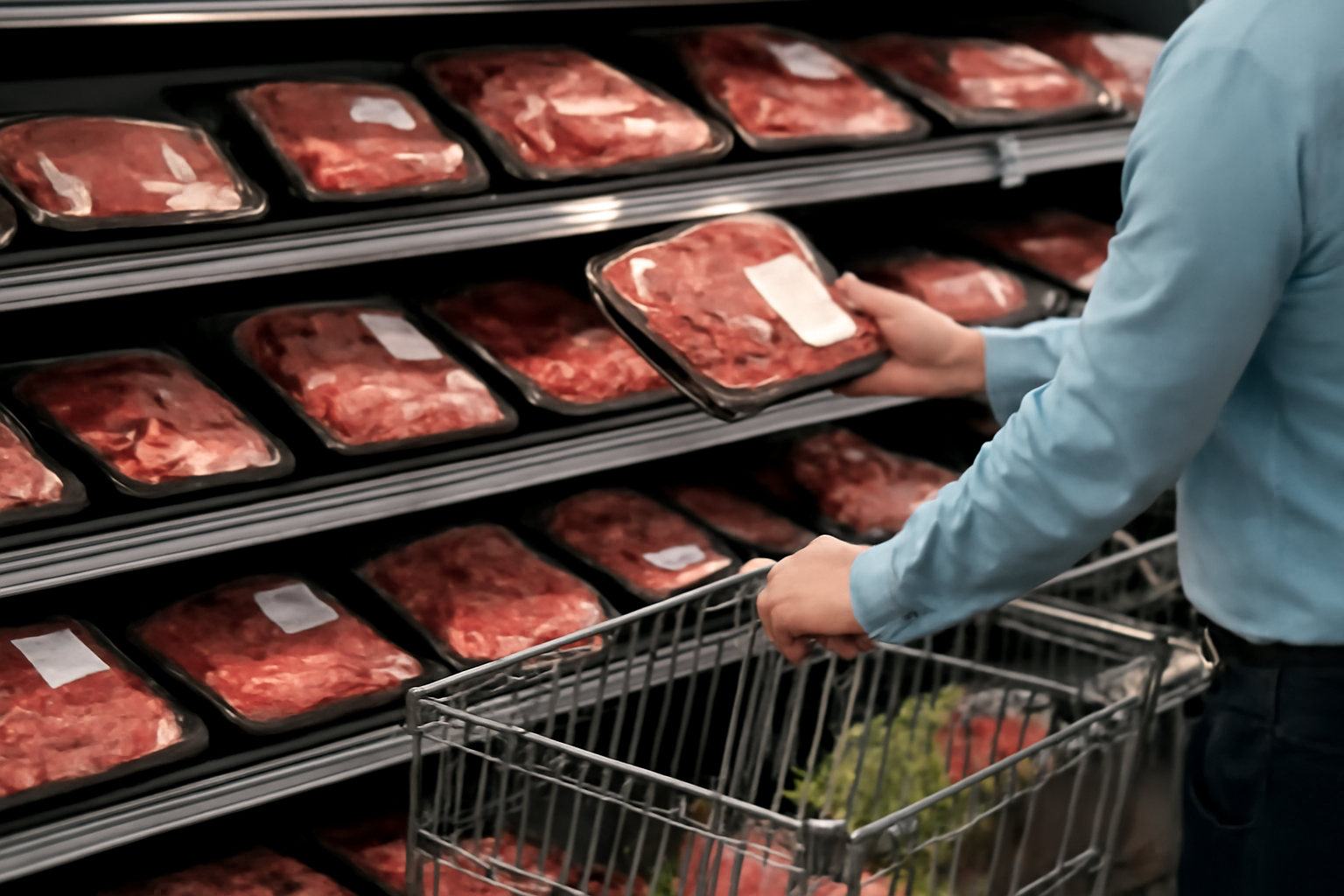
American consumers are beginning to reduce their beef purchases as prices reach record highs, indicating that sustained food inflation is starting to change buying decisions in the US meat market. The pullback is a notable shift because consumers had continued buying enough beef to support high prices even as the country’s cattle herd contracted and available supply tightened.
The emerging weakness does not necessarily mean that US beef demand has collapsed. It does, however, suggest that more households are reaching the point at which higher prices influence how much beef they buy. Consumers can respond by purchasing smaller quantities, choosing less expensive cuts or shifting spending toward other proteins. Each response can affect the mix and value of beef moving through retailers, processors and food-service channels.
A smaller cattle herd limits supply
The supply side remains central to the market. A reduced cattle herd means fewer animals are available to support beef production, helping to push prices to record levels. Herd size cannot be restored quickly: producers need time to retain breeding animals and rebuild numbers, and retaining animals can reduce near-term availability before it eventually expands future supply.
That creates a difficult balance for cattle producers. High beef prices can support revenue, but a decline in consumer purchases may limit how much of those prices can be passed through the supply chain. Processors and retailers must judge whether shoppers will accept further increases or whether promotions and changes in product mix are needed to maintain volumes.
Margins face pressure across the chain
For processors, the combination of constrained cattle availability and softer consumer purchasing can squeeze both sides of the business. Limited livestock supply can keep procurement costs elevated, while resistance at the retail counter can restrict selling prices and volumes. Plants therefore face greater pressure to manage capacity, product yields and the balance between premium and lower-priced cuts.
Retailers also have to protect traffic without sacrificing margins. Beef is an important category for many supermarkets, but record prices make it harder to use popular cuts as dependable volume drivers. More promotional activity could support purchases, although discounts would shift part of the cost burden to retailers, processors or suppliers depending on contract terms.
A potential inflection point for US beef
The key question is whether the reduction in purchases remains limited or develops into a broader demand slowdown. A modest pullback could help the market absorb restricted supply without producing a sharp correction. A deeper decline would change pricing power across the chain and could weigh on cattle and beef values even while the herd remains small.
Producers, processors, importers and retailers will be watching purchasing volumes as closely as headline prices. Record prices show the strength of the supply constraint, but consumer behavior will determine how long those levels can be sustained. The first signs of reduced buying indicate that the market may be approaching the limit of what US households are willing to pay for beef.