US Chicken Glut Pushes Wholesale Prices Lower as Beef Demand Holds
US poultry producers expanded chicken supply in anticipation that expensive beef would shift consumers toward cheaper protein. Stable beef demand, larger flocks and heavier birds instead created excess chicken supply, pressuring wholesale prices and producer margins.
Production rises faster than demand
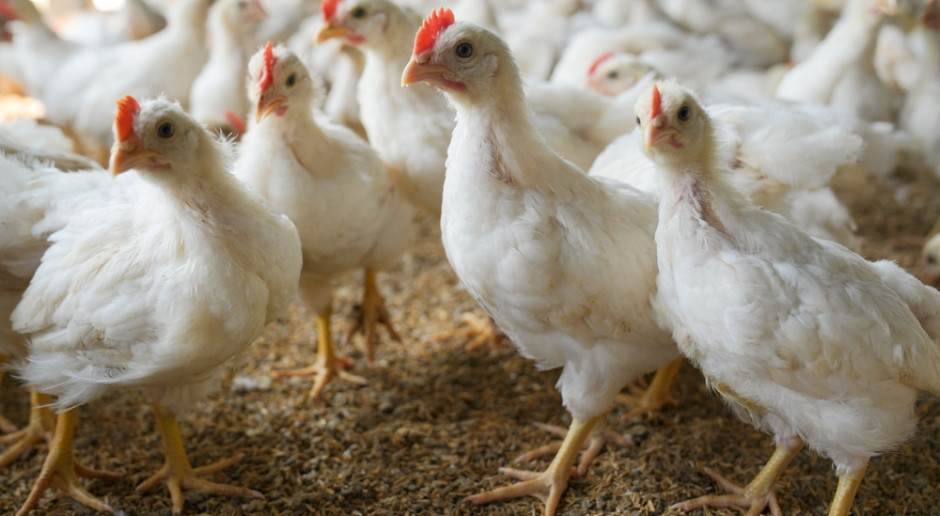
US poultry companies are supplying more chicken than the domestic market can absorb, putting wholesale prices and producer margins under pressure. Farmer.pl, citing The Wall Street Journal, reports that larger flocks and the use of bigger chicken breeds have increased meat output. The expansion has coincided with resilient demand for beef, frustrating expectations that high steak and burger prices would drive a broad consumer shift toward cheaper poultry.
Tyson Foods, Pilgrim’s Pride and Wayne-Sanderson Farms increased their supply of boneless chicken breasts, wings and thighs over the past year. Producers prepared for stronger demand for chicken sandwiches, strips and other poultry products as households and restaurant customers faced expensive beef. The anticipated substitution did not occur on a scale sufficient to absorb the additional production, leaving suppliers to compete in a market with more available meat.
Wholesale pressure reaches retail shelves
The imbalance is particularly difficult for poultry producers and processors that expanded output based on stronger demand forecasts. When production exceeds purchases, suppliers must compete more aggressively for customers, weakening wholesale prices, revenue and profitability. The availability of several major cuts—including breasts, wings and thighs—means the pressure is not confined to a single product category.
Some of the decline is already reaching consumers. In June, US retail prices for boneless chicken breasts were about 1.4% lower than a year earlier, according to the report. The reduction is modest, but it offers some relief to households whose food budgets have been strained by higher prices in recent years. Further wholesale weakness could create room for retailers to promote chicken more aggressively, although the source material provides no forecast for the duration or scale of the downturn.
Restaurants gain as poultry suppliers lose
Restaurants are another potential beneficiary because chicken is a core ingredient for many food-service chains. Lower raw-material costs can reduce the expense of producing sandwiches, strips, wings and other menu items. Operators could retain the savings, use promotions to support customer traffic or protect menu prices, while poultry suppliers bear the immediate effect of weaker wholesale values.
The episode illustrates the risk of expanding agricultural production around an expected change in consumer behavior. Poultry companies correctly identified a wide price gap between expensive beef and cheaper chicken, but beef demand remained stable. Larger flocks and heavier birds then produced more meat than the expected shift could consume. Producers now need to find buyers for the surplus while balancing output against actual orders. For processors, distributors and investors, the key issue is how quickly supply can adjust if demand remains below earlier assumptions. Consumers and restaurants may benefit from cheaper chicken in the meantime, but sustained price pressure would continue to erode returns across the poultry supply chain.