US-Canada tariff dispute puts toilet-paper costs and supply chains under pressure
The US paper industry is urging consumers not to stockpile toilet paper as the trade dispute with Canada escalates. Canadian retaliatory tariffs of 25% to 50% on toilet paper and production inputs could raise costs and disrupt cross-border supply chains.
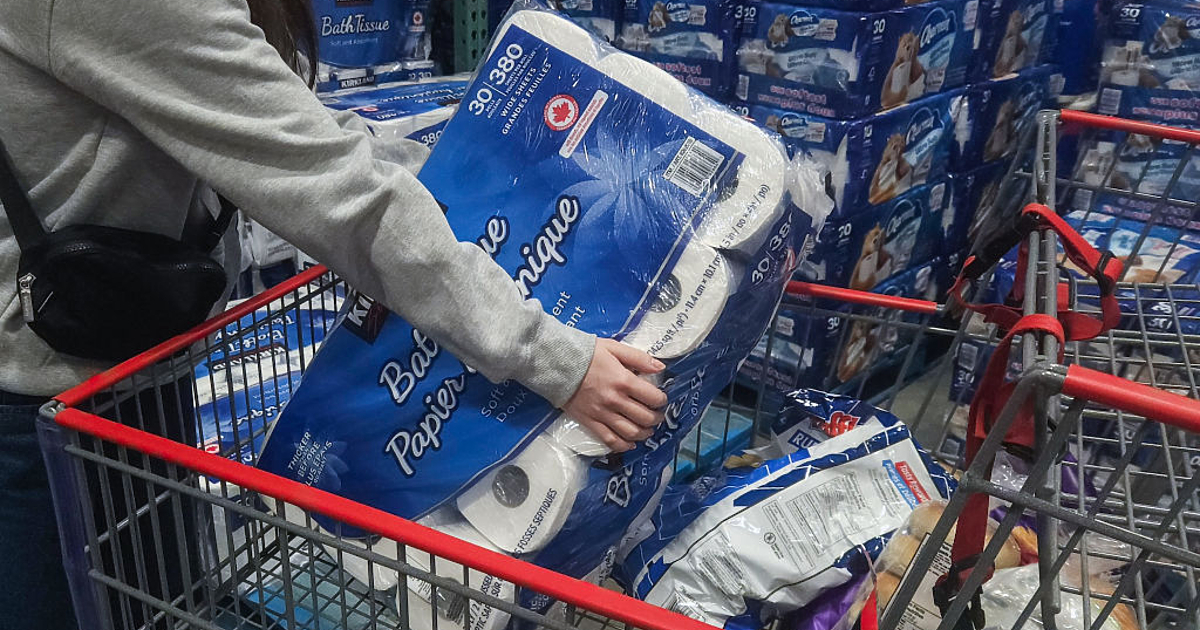
Industry urges restraint as tariff pressure builds
The American Forest & Paper Association has urged US households not to stockpile toilet paper as an escalating trade dispute between the United States and Canada threatens to increase the cost of everyday paper products. The association, which represents US manufacturers of toilet paper and other paper goods, said the domestic market remains stable and that panic buying could create shortages that would not otherwise occur.
An association spokesperson told German press agency DPA that US paper-product supply chains are designed to be predictable and efficient. Sudden increases in demand, she said, would place unnecessary pressure on a system built to meet normal household requirements reliably. The warning recalls the operational risk created when consumer purchasing rises much faster than actual use: retail inventories are depleted, distributors receive unusually large orders and factories have limited time to adjust production schedules.
Canada prepares retaliatory measures
The concern follows Canada’s announcement of retaliatory tariffs covering nearly $20 billion worth of US goods. The measures are due to take effect on September 8 and respond to tariffs previously imposed by the United States on Canadian products, according to Darik Business Review, citing DPA and the Bulgarian News Agency.
Canada’s government says the measures will apply to a broad range of goods. Tariffs on toilet paper and raw materials used in its production will range from 25% to 50%. That exposure matters because the North American paper industry relies on cross-border movements of finished products, manufacturing inputs and materials. A tariff can therefore affect more than the retail price of an imported roll: it can also raise costs inside factories and distribution networks serving both markets.
The American Forest & Paper Association warned that the dispute could have negative consequences on both sides of the border. It expects greater uncertainty and additional costs for manufacturers, workers and customers. The association also said escalating tariff measures could disrupt supply chains that allow mills and manufacturers to invest, compete and deliver essential products.
Prices could rise without a physical shortage
The available information does not indicate that US manufacturers have run out of toilet paper or that normal household demand cannot be met. The immediate risk is instead a combination of tariff-related costs and demand distortion. If households buy substantially more than they need, temporary gaps can appear on store shelves even when overall production capacity remains adequate.
DPA places the US retail cost at approximately $1 per roll. Historical Statista data cited in the report show that Americans consumed an average of 141 rolls per person in 2018, making the United States the world’s largest consumer of toilet paper on that measure. High underlying consumption means even a short-lived wave of stockpiling can produce large additional orders across supermarkets, wholesalers and transport networks.
For manufacturers and retailers, the practical challenge is to separate genuine changes in consumption from precautionary purchasing. Producers must also assess whether tariffs will increase the cost of inputs, finished goods or both. Importers and exporters face uncertainty over contract pricing and delivery schedules, while retailers must decide how much of any additional cost can be absorbed before shelf prices change. The industry’s appeal for restraint is therefore aimed at preventing consumer behavior from adding a second supply-chain shock to the one created by the bilateral tariff dispute.
Full market analysis