US beef prices up 27% in three years: Omaha Steaks cuts range to 120 items and doubles its stores
Beef and veal prices in the United States have risen 27% cumulatively over three years while the national cattle herd sits at a 75-year low. Omaha Steaks is responding by cutting its product range from nearly 500 items to 120, doubling its store network toward 80 locations and pushing cheaper cuts. Washington has allowed 300,000 tonnes of duty-free beef imports until 30 November.
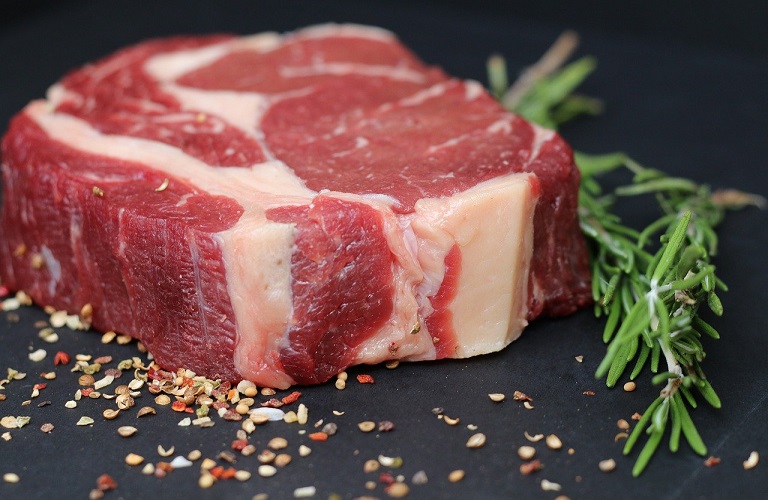
Rising beef prices in the United States are forcing companies with more than a century of history to redesign how they sell meat. Omaha Steaks, the American firm known for shipping meat directly to consumers, is now moving toward cheaper cuts, faster deliveries and a stronger physical retail presence, CNN reported.
Chief executive Nate Rempe is driving a broad reorganisation that cuts the product range by roughly 75% and doubles the store network over the next two years. The stated aim is to make the company more competitive and turn it into a regular stop for everyday meat purchases rather than an occasional gift purchase.
A 27% increase and the smallest herd in 75 years
Consumer price index data for July record a cumulative 27% rise in beef and veal prices over three years. The US cattle herd stands at its lowest level in 75 years, according to figures cited by CNN — a supply position that cannot be corrected within a single production cycle.
In an attempt to push prices down, President Donald Trump allowed the duty-free import of 300,000 tonnes of beef until 30 November. The exemption is time-limited and covers only part of the fourth quarter.
From nearly 500 products to 120
The number of items on offer is being reduced from nearly 500 to 120. Certain desserts, slow-cooked meals and single portions are being withdrawn from the catalogue so the business can concentrate more tightly on US-produced meat. The narrower range is expected to simplify inventory management and speed up order fulfilment.
- Product range cut by about 75%, from nearly 500 items to 120.
- Prices held across most of the assortment, with exceptions on premium filet mignon and filet offerings.
- A four-pack of top sirloin starts at $40, roughly half the cost of a comparable filet mignon pack.
Rather than raising prices, Omaha Steaks is heavily promoting lower-priced cuts such as its top sirloin. For suppliers, the combination of fewer stock-keeping units and an explicit focus on domestically produced beef concentrates purchasing on a shorter list of US cuts.
Delivery down from a week to under two days
Shipping frozen meat out of Omaha in heavy boxes with ice packs weighs on transport costs. Serving customers from nearer stores allows lighter packaging, shorter distances and shorter delivery windows.
The average time to receive an order has already fallen from almost a week to less than two days, according to the company. The plan foresees a network reaching 80 locations across the United States, which will also operate as small order-fulfilment centres.
Supply side and consumer substitution
Beyond the commercial changes, Rempe stresses the need to support production itself. He argues that American ranchers, facing prolonged drought and higher feed costs, need incentives to invest and rebuild their herds.
Consumers are also shifting toward cheaper animal proteins such as chicken and pork, but the head of Omaha Steaks believes beef retains a distinct place in American diets. “America wants beef. That is why demand has been so resilient,” he said. “You cannot take the steak out of the middle of a plate and throw a chicken breast in the middle and have the same result.”