US Apparel Manufacturing Fell 17% in 2025 as Asian Imports Grew
US apparel manufacturing output dropped 17% in 2025 and textile mill output fell 4%, while imports from 14 low-cost Asian countries rose 6%, or $60 billion, according to WWD and Kearney's 2026 Reshoring Index. Industry insiders say tariffs alone will not revive domestic production.
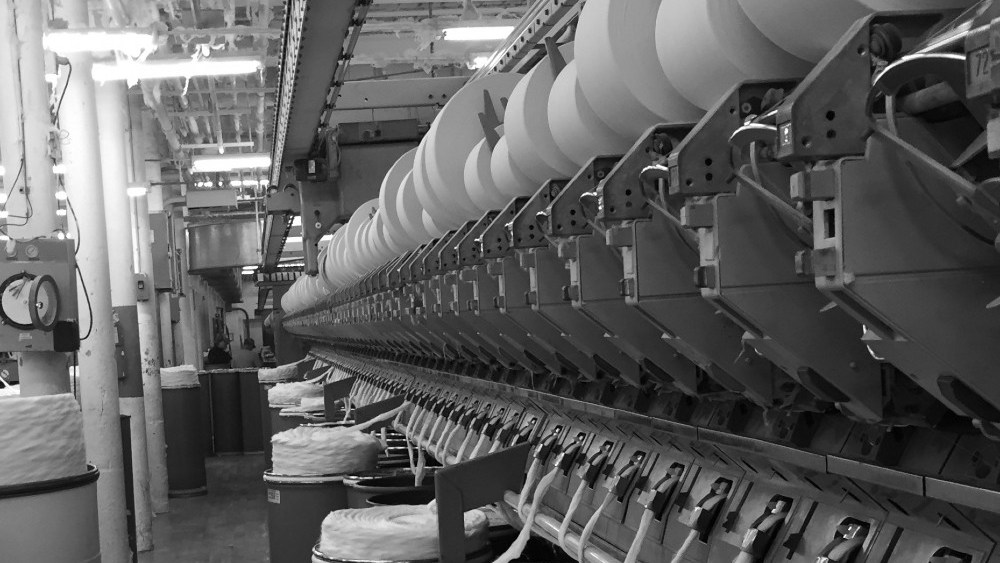
U.S. textile and apparel manufacturing kept shrinking in 2025 even as Washington piled tariffs onto Asian imports, according to WWD's Sourcing Journal, citing Kearney's 2026 Reshoring Index and trade data. Industry executives interviewed by the publication said tariffs alone will not bring production back.
Output falls while imports rise
Total U.S. manufactured goods output slipped 0.4 percent to $28 billion, but the losses were concentrated in the sector tariffs were meant to protect. Manufacturing gross output for textiles, fabrics and mill products fell 4 percent, while apparel dropped 17 percent, the Reshoring Index showed. Over the same period, combined imports from 14 low-cost Asian countries and regions, including China, grew 6 percent, or $60 billion.
Patrick Van den Bossche, the Kearney partner who authored the index, said “very little capacity has been added” in U.S. manufacturing despite investment over the past four years that reached triple the level of 2021. Capacity utilization has slipped below 75 percent, he told Sourcing Journal.
Asia widens its lead
Asia supplied 72.6 percent of U.S. apparel imports by value in 2025, up from 71.6 percent a year earlier, according to research by Dr. Sheng Lu of the University of Delaware, prepared for the U.S. Fashion Industry Association. Vietnam, Bangladesh, Indonesia, India and Cambodia together accounted for a record 50.6 percent of imports, compared with about 37.1 percent before COVID-19. Lu said many U.S. companies are diversifying within Asia rather than shifting to other regions, aided by Chinese investment in emerging hubs such as Cambodia, Indonesia and India. A record share of surveyed companies now source from more than 10 countries, and almost 60 percent plan to add more.
Western Hemisphere loses ground
Trade policy should have favored suppliers closer to home, but the opposite happened. U.S. apparel imports from Dominican Republic-Central America Free Trade Agreement countries fell 6.7 percent by value and 8.1 percent by quantity year-over-year, Office of Textiles and Apparel data showed. Southeast Asian volumes surged: Cambodia rose 35.3 percent, Pakistan 15.4 percent, Indonesia 13.9 percent, Vietnam 12.9 percent, Bangladesh 12.4 percent and India 4.2 percent by quantity.
National Council of Textile Organizations chief executive Kim Glas said Chinese goods are still reaching the U.S. through Southeast Asia, distorting the market with subsidized, below-cost products. She said 40 U.S. textile mills have closed over the past two-and-a-half years. NCTO aims to protect the 453,122 jobs the industry still supports; it exported $27 billion in fiber, fabric and clothing last year. A roughly 10-point tariff gap favoring Western Hemisphere suppliers failed to shift orders their way, she noted.
Policy uncertainty weighs on mills
The IEEPA tariff program launched on “Liberation Day” in April 2025 has since been dismantled, and the administration has turned to other statutes and Section 301 investigations. Bill Rogers, chief executive of South Carolina-based Mount Vernon Mills, said the initial announcement triggered a rush to import ahead of the duties, and it took about six months for that inventory to clear. Business then improved briefly before customers turned hesitant heading into 2026. Rogers said the industry needs trade policy “more entrenched legislatively” rather than set by executive order.