US alcohol tariff threatens Canadian spirits sales and cereal demand
A 50% US tariff on Canadian alcohol is expected to reduce spirits exports and eventually weaken demand for corn, rye, barley and wheat. Rye growers face particular exposure because the crop occupies only 339,000 acres and whisky remains an important outlet.
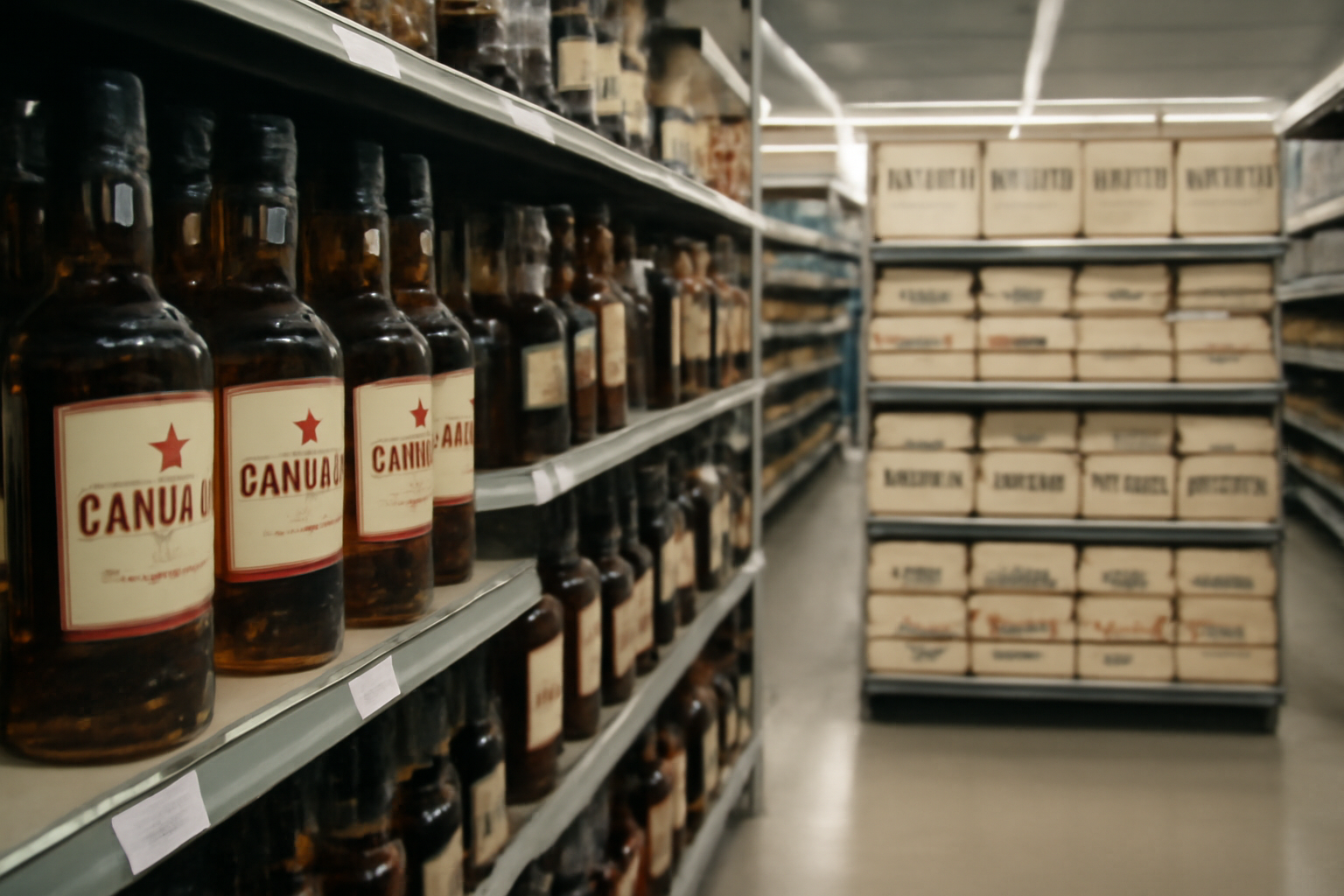
Spirits face a 50% tariff in their largest market
A 50% US tariff on Canadian alcohol, effective Aug. 22, is expected to reduce sales in Canada’s dominant export market for spirits and eventually weaken demand for the cereal crops used by distillers. Farmtario reports that the measure covers Canadian spirits and spirits-based ready-to-drink beverages, including coolers and seltzers.
The United States receives 93% of Canada’s total spirits exports, according to Spirits Canada. The US market also contributes 48% of Canada’s $2 billion in annual spirits sales. That concentration leaves distillers with limited scope to replace lost demand quickly if the tariff raises prices and reduces orders.
Rye carries greater crop-level exposure
Canadian distillers and brewers use corn, rye, barley and wheat. Kate Sauser, policy manager with Grain Growers of Canada, told Farmtario that weaker export demand would eventually translate into lower demand for these crops in value-added processing. She cautioned that the effect may take time to become visible.
The consequences will not be equal across commodities. Canadian farmers planted 25 million acres of wheat this year, and wheat serves many markets around the world. Rye covered only 339,000 acres, while whisky remains an important source of demand for the crop. Sauser said a prolonged tariff could influence planting decisions over the next couple of years and potentially reduce rye acreage.
No duties have been imposed directly on barley or malt exports, according to Peter Watts, managing director of the Canadian Malting Barley Technical Centre. The immediate pressure therefore runs through alcohol processors: if distillers and brewers sell less product, their grain purchases and use of processing capacity may decline later.
Beer exposure is smaller but uneven
Canada’s beer industry is less dependent on exports than the spirits sector. Luke Chapman, vice-president of federal affairs with Beer Canada, said Canadian brewers exported $29 million of beer to the United States in 2025, compared with $9.1 billion consumed domestically. Even so, the 50% tariff effectively prices Canadian beer out of its largest and closest foreign market.
The impact is likely to be concentrated among individual breweries, particularly in Quebec and the Maritimes. Canadian plants can also receive contracts from international brewers to manufacture brands for the US market using spare capacity; Farmtario reports that this business could be lost. Canadian counter-tariffs may add another cost by raising prices for inputs such as aluminum cans and can sheet.
Beer Canada is asking Ottawa to eliminate the excise escalator, which automatically raises the tax rate on beer production each year. For grain producers, the central risk is duration. A short disruption may be absorbed through inventories and other markets, but a sustained loss of alcohol sales would give processors less reason to buy grain and could reshape acreage decisions, especially for rye.