US agricultural exports to Vietnam rise as market access improves
US agricultural exports to Vietnam reached $4.7 billion in 2025, up from less than $3.5 billion in 2024. Cotton, forest products, soybeans, corn, dairy, poultry and fresh fruit all benefited from stronger demand or improved market access.
Vietnam becomes a larger market for US agriculture
US agricultural exports to Vietnam reached $4.7 billion in 2025, compared with less than $3.5 billion in 2024, according to a US Department of Agriculture report cited by Vietnam News Agency. The United States was Vietnam’s second-largest agricultural supplier. Dân trí, also citing USDA, placed its market share at 13.4%, narrowly behind China at 13.5%.
Demand is spreading across consumer foods and industrial inputs. USDA links the expansion to Vietnam’s economic growth, a larger middle class, modern retail development and a growing food-processing sector. The trade still faces a competitive disadvantage because the United States has no free trade agreement with Vietnam, while the EU, Japan, South Korea, the United Kingdom and CPTPP members have preferential arrangements.
Cotton and production inputs lead the gains
Cotton was the largest reported category. Vietnam became the biggest export market for US cotton, buying $1.3 billion in 2025, a 122% increase from the previous year, Dân trí reported. US forest-product exports reached $747 million, up 114%, while soybean shipments rose 20% to $581 million. Corn exports climbed to $394 million, although the source did not provide a comparative growth rate.
Dairy exports totaled $149.2 million, an increase of 18%, making the United States Vietnam’s third-largest supplier in that category. Poultry exports reached $113 million and retained the leading position in the Vietnamese market. Seafood shipments were valued at $114 million, up 77%. These flows show that Vietnam is important both as a consumer market and as a buyer of feed, fiber and other materials used by local processors.
Fresh-fruit access widens
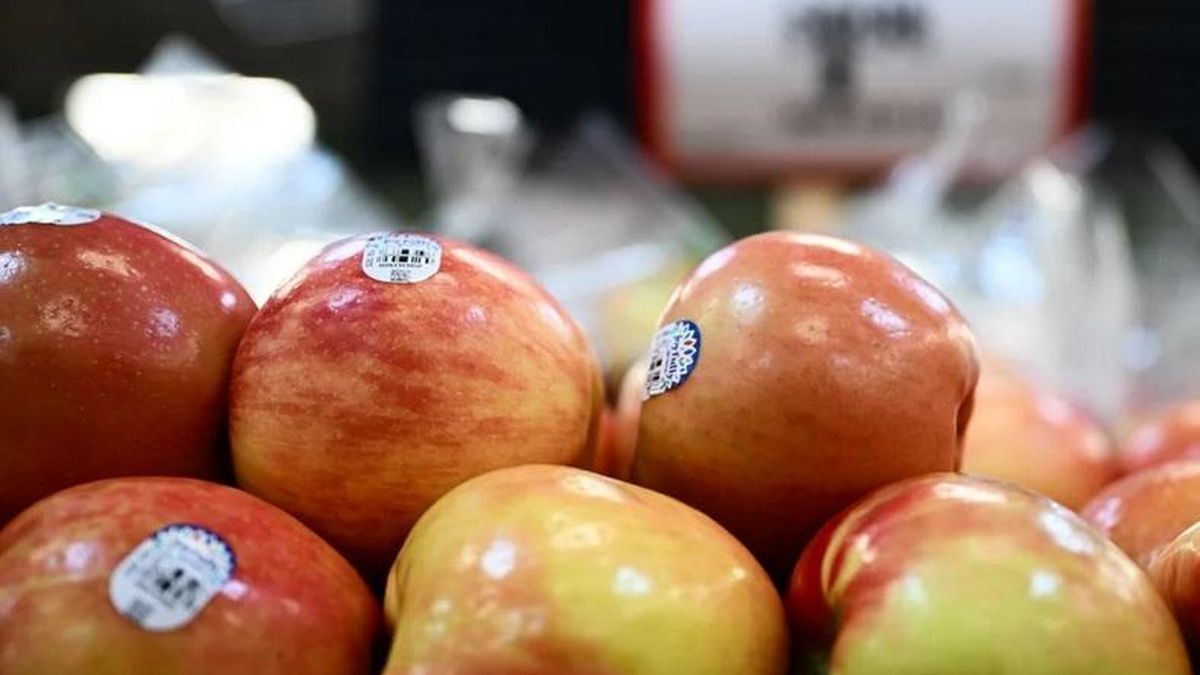
US fresh-fruit exports to Vietnam totaled $91.1 million in 2025. Apples accounted for $47.1 million and grapes for $17.6 million. The sources disagree on the $19.6 million category: Dân trí identifies it as cherries, while the Vietnam News Agency text carried by Báo Mới identifies peaches. Other fresh fruit contributed $1.7 million. In the final quarter of 2025, the United States supplied 8.3% of Vietnam’s fresh-fruit imports, ranking second behind China.
Vietnam authorized fresh peaches and nectarines from California on June 6, 2025, following negotiations between USDA’s Animal and Plant Health Inspection Service and Vietnam’s Plant Protection Department. The potential annual market for the two products was estimated at $2.5 million. On March 16, Vietnam also permitted mandarin imports from California and Florida, with potential sales estimated at $5 million.
Ethanol policy creates another opening
US ethanol exports to Vietnam were worth $4.3 million in 2025 and represented 58% of the market. Vietnam reduced its most-favored-nation import tariff on ethanol from 10% to 5%, while nationwide use of E10 gasoline from June 1 is expected to support demand. Dân trí cited the International Energy Agency as projecting Vietnamese ethanol consumption of about 2.9 billion gallons, or roughly 11 billion liters, this year.
Market access is also being addressed through government and commercial commitments. Vietnamese agencies signed 20 memoranda of understanding in 2025 covering about $3 billion in purchases of US agricultural and forest products. Continuing bilateral negotiations are aimed at lowering barriers and expanding access, a process that will determine whether the sharp 2025 gains translate into sustained trade growth.