Uruguay Seeks Wider Access to Vietnam’s Beef and Dairy Market
Uruguay is seeking wider access to Vietnam for beef, cattle products and dairy as it diversifies export destinations. Bilateral trade reached $268.42 million in 2025, but Vietnam’s imports from Uruguay fell 22.7% in the first half of 2026.
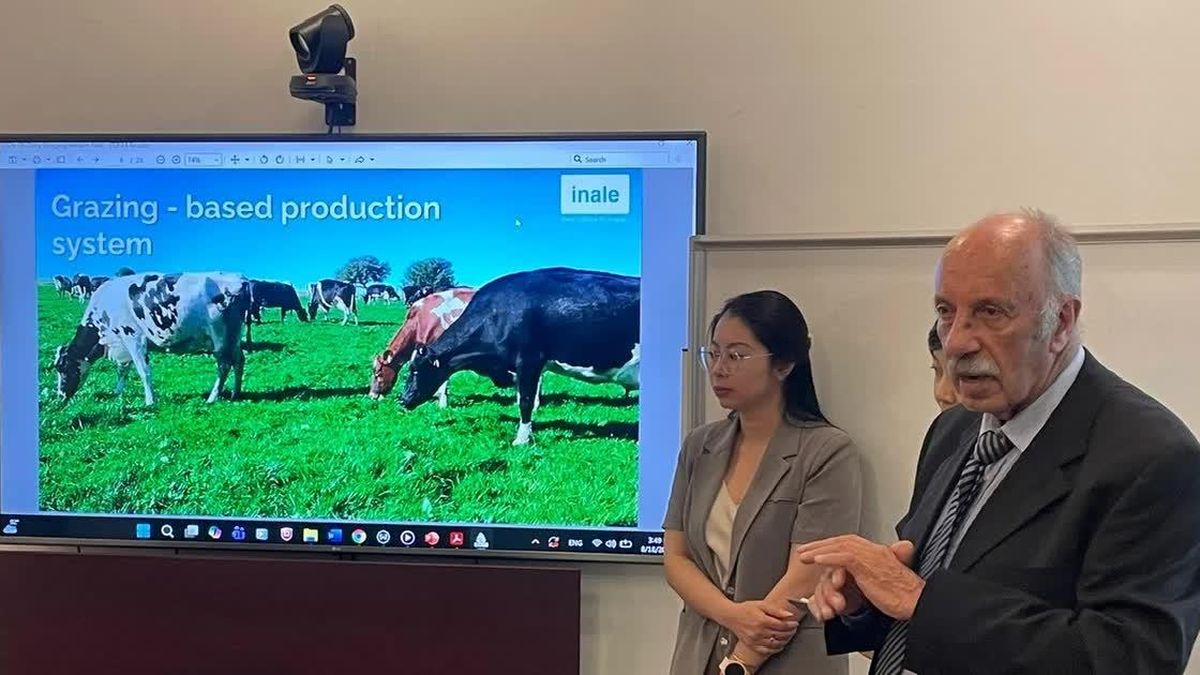
Uruguay presents its agricultural offer in Hanoi
Uruguay is stepping up efforts to develop Vietnam as a market for its beef, cattle products and dairy, combining commercial promotion with talks on regulatory access. At an event organized by the Uruguayan Embassy in Hanoi on August 18, representatives of the country’s meat and dairy institutes presented Uruguay’s pasture-based production system to Vietnamese businesses.
Nhân Dân reported that Uruguay asked Vietnam to accelerate procedures for opening its market to Uruguayan meat and livestock products. Matías Carámbula, Uruguay’s deputy minister of livestock, agriculture and fisheries, said the immediate priority was the meat category, particularly live cattle and cattle-derived products. The two governments also plan to identify other agricultural goods with commercial potential.
Export diversification drives the approach
Uruguay’s interest reflects the export dependence of its livestock sector. Gastón Escayola, president of the National Meat Institute of Uruguay, said the country exports 80% of its production and therefore needs a diversified group of destinations. He described Southeast Asia as an important region and pointed to Vietnam’s economic growth and rising per-capita income as reasons for targeting the market.
The Uruguayan side is promoting production characteristics intended to support its market-access case. Cattle are raised on natural pasture, while growth hormones and stimulants are prohibited. Uruguay also operates an identification system that tracks each animal’s health and origin from birth. These controls are relevant for Vietnamese importers and regulators assessing food safety, traceability and consistency of supply.
Dairy sector promotes pasture-based production
Ricardo de Izaguirre, president of Uruguay’s National Dairy Institute, said the country’s temperate climate and irrigation system help maintain grass production during water shortages and drought. Dairy cattle graze throughout the year, and the production system prohibits antibiotics in cows while they are producing milk. Uruguay’s dairy offer includes milk and processed dairy products, which are already among Vietnam’s principal imports from the South American country.
Uruguay argues that its stable institutional environment and ability to meet international rules could make it a reliable agricultural supplier. Carámbula also offered Uruguay as a route for expanding the presence of Vietnamese goods in Latin America. Vietnam, meanwhile, highlighted Uruguay’s role in MERCOSUR and called for agricultural cooperation that balances the interests and production strengths of both sides.
Trade grows, but imports from Uruguay weaken
Total merchandise trade between Vietnam and Uruguay reached $268.42 million in 2025, an increase of 58.4% from 2024, according to statistics cited by Nhân Dân. Vietnam exported $179.92 million of goods to Uruguay, up 64.8%, while its imports from Uruguay rose 46.8% to $88.50 million.
In the first six months of 2026, bilateral trade increased 21.8% year on year to $148.35 million. The balance shifted further toward Vietnam: its exports climbed 57.5% to $106.52 million, while imports from Uruguay fell 22.7% to $41.83 million. That decline gives Uruguay a commercial incentive to secure access for additional agricultural products and rebuild shipment growth.
Vietnam’s main purchases from Uruguay currently include wood and wood products, milk and dairy products, wheat, animal feed and feed ingredients, chemicals, and inputs for textiles, leather and footwear. Vietnam’s exports include phones and components, footwear, toys and sporting goods, garments, computers and electronics, and machinery. Wider approval for beef and cattle products could broaden Uruguay’s side of the trade relationship beyond its existing product base.