Uruguay presses Brazil over stalled milk powder antidumping case
More than three months after Brazil formalised the suspension of antidumping duties on milk powder from Uruguay and Argentina, the case remains open. Uruguay raised the delay at the Mercosur Common Market Group in Montevideo, saying it creates uncertainty for exporters, according to Búsqueda. Brazil set out a timetable running to late October 2026.
Uruguay has formally raised with Brazil the absence of a final decision in the antidumping case on milk powder, telling the Brazilian delegation that the open procedure is generating uncertainty for exporters, according to the Uruguayan weekly Búsqueda.
More than three months have passed since a resolution by a Brazilian federal body formalised the suspension of antidumping duties on milk powder imports from Uruguay and Argentina, and the case remains unclosed. The duties stem from an investigation into imports that allegedly entered the Brazilian market at prices below those of the domestic dairy industry, which was said to have caused a decline in local output and sales. Three Uruguayan companies were involved in the investigation, the main one being the cooperative Conaprole.
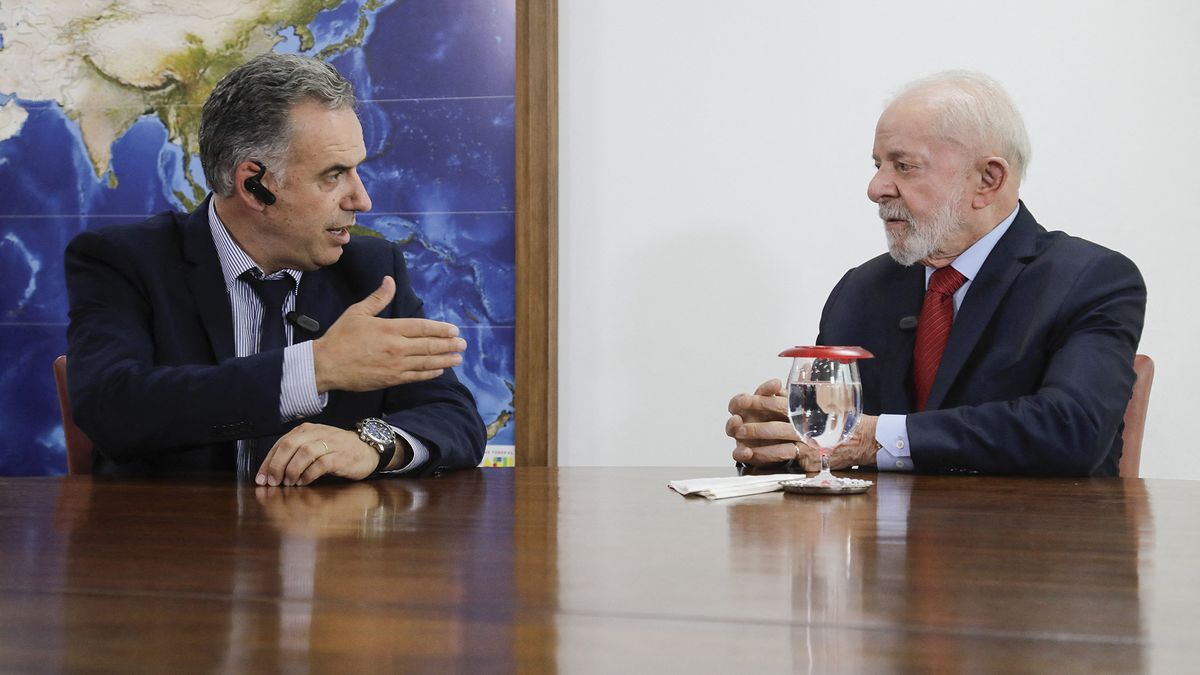
Collection of the duties was deactivated at the end of May following political mediation between Uruguayan President Yamandú Orsi and his Brazilian counterpart, Luiz Inácio Lula da Silva.
The issue at the Mercosur table
The Uruguayan government delegation to the Mercosur Common Market Group, which met in Montevideo on 9 and 10 September, put the matter to the Brazilian delegation. Uruguay recalled the approval of Resolution 907 of the Executive Management Committee (Gecex) of Brazil's Chamber of Foreign Trade, dated 3 June, and reported that on 29 July the Foreign Trade Secretariat (Secex) published a circular opening the "public interest evaluation process".
According to the minutes of the meeting, the Uruguayan delegation said it was following that evaluation "with particular attention" and asked Brazil for the expected deadlines for the Trade Defence Department to draft the corresponding Technical Note, on the basis of which Secex must send a recommendation to the Camex Executive Secretariat.
The Argentine delegation endorsed "all of the terms expressed by the delegation of Uruguay" regarding the conduct of the alleged dumping investigation and the uncertainty that the lack of a prompt resolution creates for exporters.
Brazil's timetable
In response, Brazil cited a further Secex circular dated 17 August, under which the evidentiary phase of the public interest evaluation will end on 2 October 2026, followed by a stage for final submissions running until 26 October. The Trade Defence Department will then have 20 days, extendable by an equal period, to prepare its Technical Note, and Secex will have five days, also extendable by the same period, to send its recommendation to Gecex on the basis of that note.
The Brazilian delegation added that collection of the antidumping duties remains paused until Gecex deliberates. Under the applicable rules, the suspension can be maintained for up to one year and extended once for an equal period, at the end of which the duties may lapse, subject to the conditions set out in the regulations.
Positions and next steps
The delegations of Uruguay and Argentina reiterated that the duties set out in Resolution 907 "are not acceptable", both because of their level and because of what they called procedural flaws in the preceding investigation.
The minutes also record that Uruguay highlighted the "good disposition of the Brazilian authorities to keep negotiating channels open" and repeated its intention to continue working towards a lasting solution satisfactory to both parties.
"Nothing has been shelved here. The procedure continues," former Uruguayan ambassador to Brazil Guillermo Valles said in June, describing the stages still ahead in the case.
For Conaprole, the Brazilian market is one of the most important destinations for its milk powder exports. During the investigation the Uruguayan company argued, among other points, that the process had been "irregular and illegitimate" and that Brazil had "violated" World Trade Organization rules.