Ukraine urged to track grain cargoes from occupied territories beyond sanctioned ships
Ukraine should move from sanctioning individual vessels to tracking entire supply chains carrying grain from Russian-occupied territories, a 24 Channel opinion column argues. The proposed approach would combine shipping data, cooperation with destination countries and scrutiny of shipowners, captains, exporters and buyers.
Calls for supply-chain enforcement
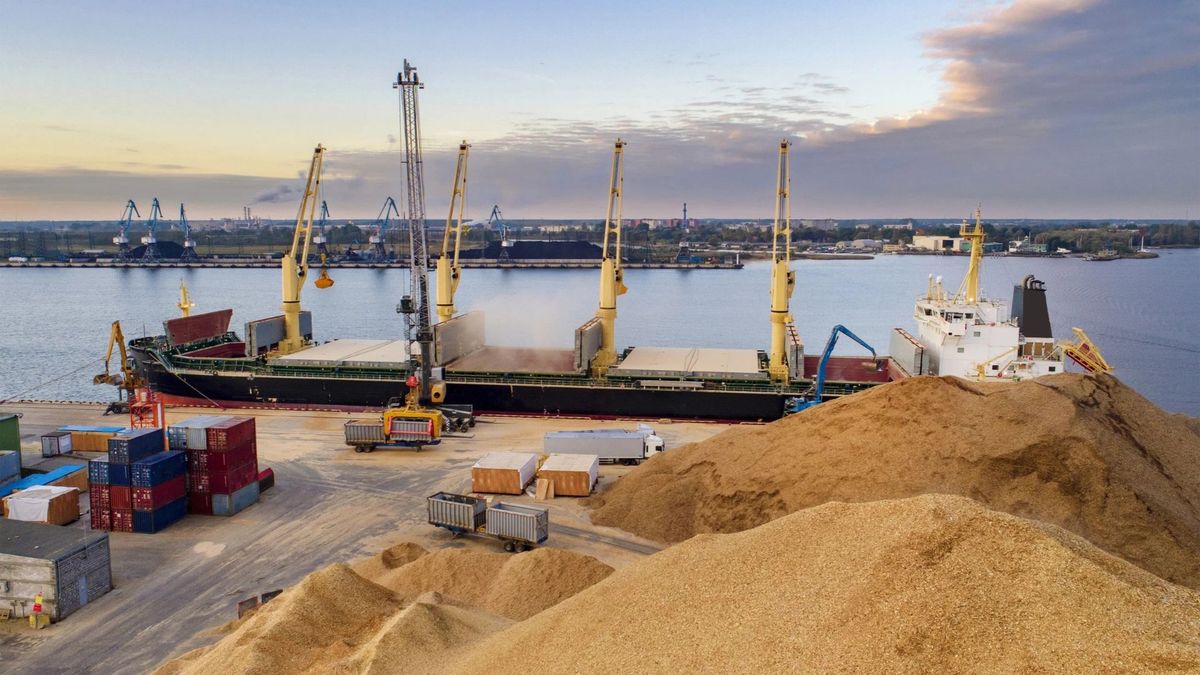
Ukraine should expand its response to grain removed from Russian-occupied territories by tracking entire maritime supply chains rather than relying mainly on sanctions against individual vessels, according to an opinion column published by 24 Channel. The proposal covers the ships, owners, operators, captains, charterers, exporters and buyers involved in moving cargoes whose Ukrainian origin may be concealed through Russian documentation.
The column says Russia organizes the removal of about 3 million tonnes of Ukrainian grain from temporarily occupied territories each year. African and Middle Eastern countries are identified as the principal sales destinations. Operations on that scale involve as many as 100 vessels of different types, indicating that the trade has developed a substantial logistics network rather than depending on isolated shipments.
Sanctions broaden from vessels to operators
Ukraine imposed sanctions on 56 vessels in 2025 for entering occupied Ukrainian ports and carrying food products. A further 13 ships and 28 legal entities linked to the export channel were added to the sanctions list in August 2026. The August measures also targeted vessel owners, captains and companies involved in removing Ukrainian grain, broadening potential liability beyond the physical carrier.
The proposed enforcement model would combine vessel identification numbers, port-call histories, ownership and operator records, cargo documents, loading points, destinations and chartering information. Cross-checking these records could expose cargoes even when participants manipulate positioning systems, alter documents, transship grain or apply new labels. The central objective is to prevent a disputed cargo from reaching the market after changing vessels or paperwork, rather than merely penalizing a ship after delivery.
Cooperation with ports and importing countries
International coordination would be essential because Ukraine cannot control foreign ports and customs procedures on its own. In September 2026, Ukraine and Lithuania agreed to strengthen checks on the origin of grain transported from Russia and to counter trade in agricultural products from occupied territories. The column also cites cooperation with Sweden concerning the vessel Caffa.
Another example came in spring 2026, when Ukraine's Foreign Ministry notified Israel in advance about a vessel carrying cargo believed to originate in occupied Ukrainian territory. Such early warnings could allow port authorities, maritime administrations, customs agencies and sanctions bodies in destination countries to examine a vessel and its documents before the grain enters the local market. Similar arrangements with other importing countries would increase compliance risks for traders and buyers handling cargoes of uncertain provenance.
Harvest raises pressure on maritime routes
The potential 2026 grain harvest in occupied territories is estimated in the column at approximately 9.5 million to 10 million tonnes. That volume gives Russia an incentive to keep developing export routes despite navigation constraints in the Black Sea and Sea of Azov. The column says traditional navigation by Russian vessels in those waters has been reduced to a minimum by Ukrainian military strikes, while Russia is seeking alternative routes. For commodity traders, shipowners and importers, stronger cargo-origin controls would raise the importance of traceable farm, storage, port and shipping records. Sanctions screening alone may no longer be sufficient where cargoes are transshipped, relabelled or accompanied by replacement documents.