Ukraine seeks Moldova rail corridor to move grain to Constanța
Ukraine is negotiating a rail route through Moldova to Romania’s Port of Constanța and has requested a 50% freight tariff reduction. The proposed corridor could carry about 4.5 million tonnes annually, but Moldova wants guaranteed volumes in exchange for lower rates.
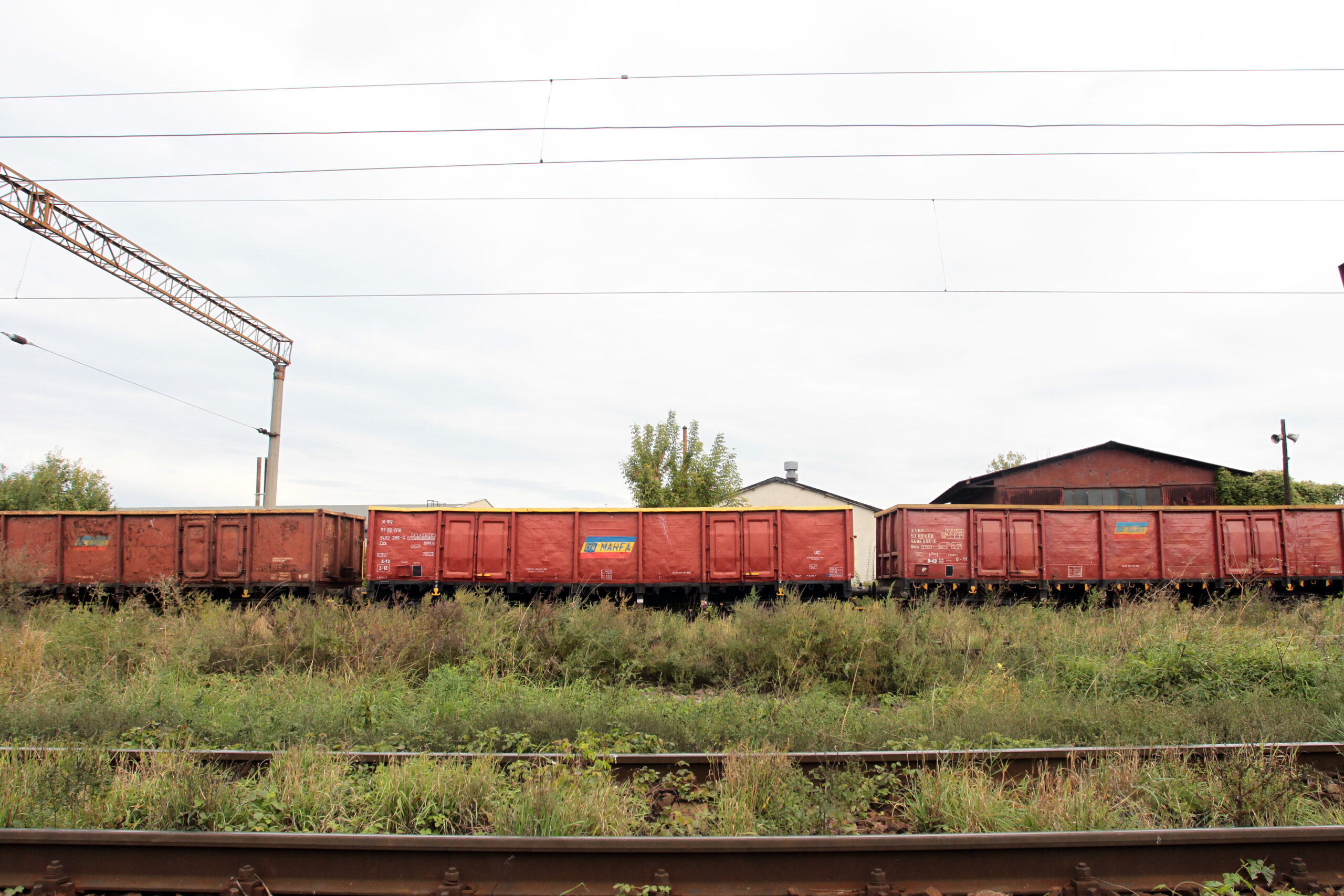
Kyiv requests a 50% tariff reduction
Ukraine is discussing a new rail corridor for grain exports through Moldova to Romania’s Port of Constanța, as Russian attacks increase the risks facing Black Sea shipping. Sources in Ukraine and Moldova told Reuters that Kyiv has asked for a 50% reduction from Moldova’s standard rail freight tariff.
The proposal has not been finalized. An Ukrainian industry official told Reuters that authorities were collecting potential volume estimates from interested carriers. A source at the Railway of Moldova said Chișinău had not rejected the request but wanted Ukraine to guarantee defined cargo volumes in return for discounted tariffs. The parties are still negotiating the operating period and quantities.
Oleg Tofilat, former head of the Railway of Moldova, estimated that the corridor could move about 4.5 million tonnes of grain annually. Ukrainian calculations indicate that a fully operational route could handle about 10% of the country’s grain exports. Moldova previously carried Ukrainian grain by rail in 2022-2023.
Port attacks cut the export outlook
The negotiations follow a sharp deterioration in security around Ukraine’s Odesa ports. Mediafax, citing Reuters, reported 35 attacks on vessels in ports, 22 attacks on ships at sea and 67 strikes on port infrastructure during July. No vessel entered ports in the Odesa region for almost two weeks.
Ukraine ships more than 90% of its grain exports through seaports. Agriculture Minister Taras Vîsoțki told Reuters that the 2026-2027 grain export forecast had been reduced from 43 million tonnes to 38-40 million tonnes because of attacks on ports. APK-Inform separately cut its projection by 8.6% to 39.4 million tonnes, citing disruption to export shipments.
Danube, rail and road routes have therefore regained importance, but their capacity and cost remain constraints. Mediafax reported that, even under normal operations, these alternatives can absorb only about 50-55% of the roughly six million tonnes handled monthly by Ukraine’s Black Sea ports. Ukrainian authorities estimate that alternative routes add about $45-50 to the transport cost of each tonne.
Constanța faces another test of capacity
Moldovan Infrastructure and Regional Development Minister Vladimir Bolea visited the Odesa region and discussed better rail connections and expanded transit capacity with his Ukrainian counterpart, Mîkola Kalașnîk. Moldovan Prime Minister Vasile Tofan said the country should not miss the opportunity to earn millions of euros from Ukrainian grain transit, while rejecting claims that transit cargo would weaken local grain prices.
Romania was a major outlet for Ukrainian agriculture after Russia’s invasion. Mediafax reported that about 29 million tonnes of Ukrainian agricultural goods transited Romania between March 2022 and September 2023 through Constanța, the Danube, railways and roads. Those flows also generated tension: Romanian farmers complained about pressure on domestic prices, and protests by farmers and hauliers disrupted access to the Ukrainian border and roads toward Constanța in 2024.
Romania maintains a special authorization system in 2026 to prevent grain designated for transit from being sold domestically without the required documents. Competition for logistics capacity may be particularly sensitive because an Argus analysis cited by Mediafax puts Romania’s potential 2026 wheat harvest at nearly 13.9 million tonnes, which would be the country’s largest on record if confirmed. The proposed corridor would strengthen Ukraine’s export resilience, but its commercial viability depends on tariff terms, firm volume commitments and available handling capacity at Constanța.