Ukraine’s 2026 potato harvest may fall 30% after prolonged heat
Ukraine’s 2026 potato harvest could be about 30% smaller than last year after prolonged heat and a shortage of moisture. Farm-gate prices may rise around 30% in late October and early November, while stored potatoes could become 12–15% more expensive.
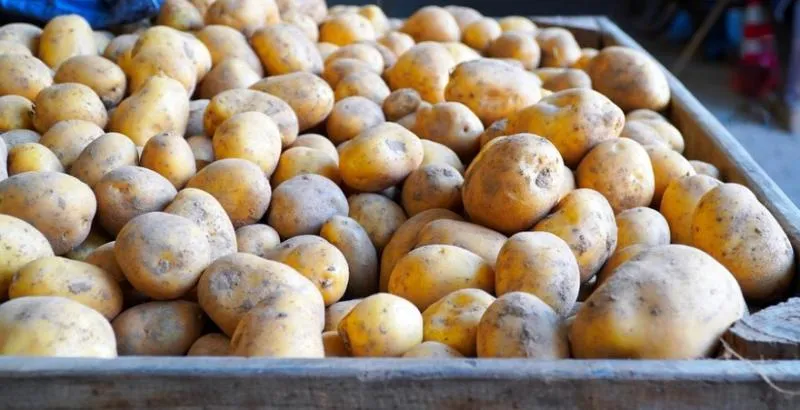
Heat damages potatoes during a critical growth stage
Ukraine’s potato harvest could be about 30% smaller in 2026 than last year after prolonged heat and insufficient moisture damaged crops during budding and flowering. The expected contraction is likely to reduce domestic supply and push prices higher during the autumn marketing period.
Mykola Furdyha, director of the Institute of Potato Growing at Ukraine’s National Academy of Agrarian Sciences, said abnormal heat during budding and flowering caused the greatest damage. At the institute’s farm, which grows about 60 potato varieties, yields are already running approximately 30% below last year’s level, according to ua.news and Glavcom.
Temperatures exceeded +37°C for more than five consecutive days, preventing the plants’ photosynthetic surface from functioning normally, Furdyha said. Instead of using water to build the crop, plants consumed it for cooling and survival. He estimated that the six-day temperature shock reduced yields by about 7 tonnes per hectare even on irrigated land.
Conditions are reported to be more difficult on rain-fed fields, where losses are expected to exceed those recorded under irrigation. The final national harvest volume will only become clear after the harvesting season, but growers already expect a smaller volume of marketable potatoes.
Temporary price decline masks autumn pressure
Early-potato prices are currently under pressure because harvesting is active and plantings were expanded substantially in the leading production regions of Dnipropetrovsk, Kyiv, Chernihiv and Chernivtsi. Farmers seeking early cash flow are selling potatoes directly from the field for 6.5–7 hryvnias per kilogram, temporarily depressing the market, Glavcom reported.
That seasonal decline is not expected to continue into late autumn. Furdyha forecasts that prices for potatoes sold directly from the field could rise by about 30% in late October and early November. Potatoes held in professional vegetable stores could become 12–15% more expensive, reflecting tighter supply as well as the cost and value of maintaining product quality.
Other analyst estimates cited by Glavcom put the expected autumn increase at 20–30%, depending on region and quality. In addition to unfavorable weather and a smaller harvest, analysts identified high cultivation and storage costs and a reduced supply of quality potatoes as drivers of the anticipated increase.
Storage quality will shape availability
Furdyha advised consumers against buying their entire winter supply immediately after harvest. Professional vegetable stores offer better conditions than domestic balconies or cellars, meaning potatoes supplied through retail chains should retain their quality longer. For processors and retailers, the difference between the projected 30% increase in field potatoes and the 12–15% rise in stored produce highlights the commercial importance of storage capacity and procurement timing.
The potato outlook contrasts with expectations for Ukraine’s broader crop sector. ua.news reported that the Ukrainian Grain Association forecasts the country’s 2026 grain and oilseed harvest at 83.6 million tonnes, up from approximately 80 million tonnes last year. The divergence underlines how the concentrated heat shock during potato budding and flowering can produce a sharp commodity-specific supply problem even when aggregate crop production is expected to increase.