Ukraine Plans 300,000-Tonne Salt Project at Odesa’s Kuialnyk Estuary
A proposed plant at the Kuialnyk Estuary could produce about 300,000 tonnes of salt annually and replace much of Ukraine’s current imports. The $30 million project still requires state approvals, an environmental impact assessment and a special water-use permit.
Kuialnyk project targets 300,000 tonnes a year
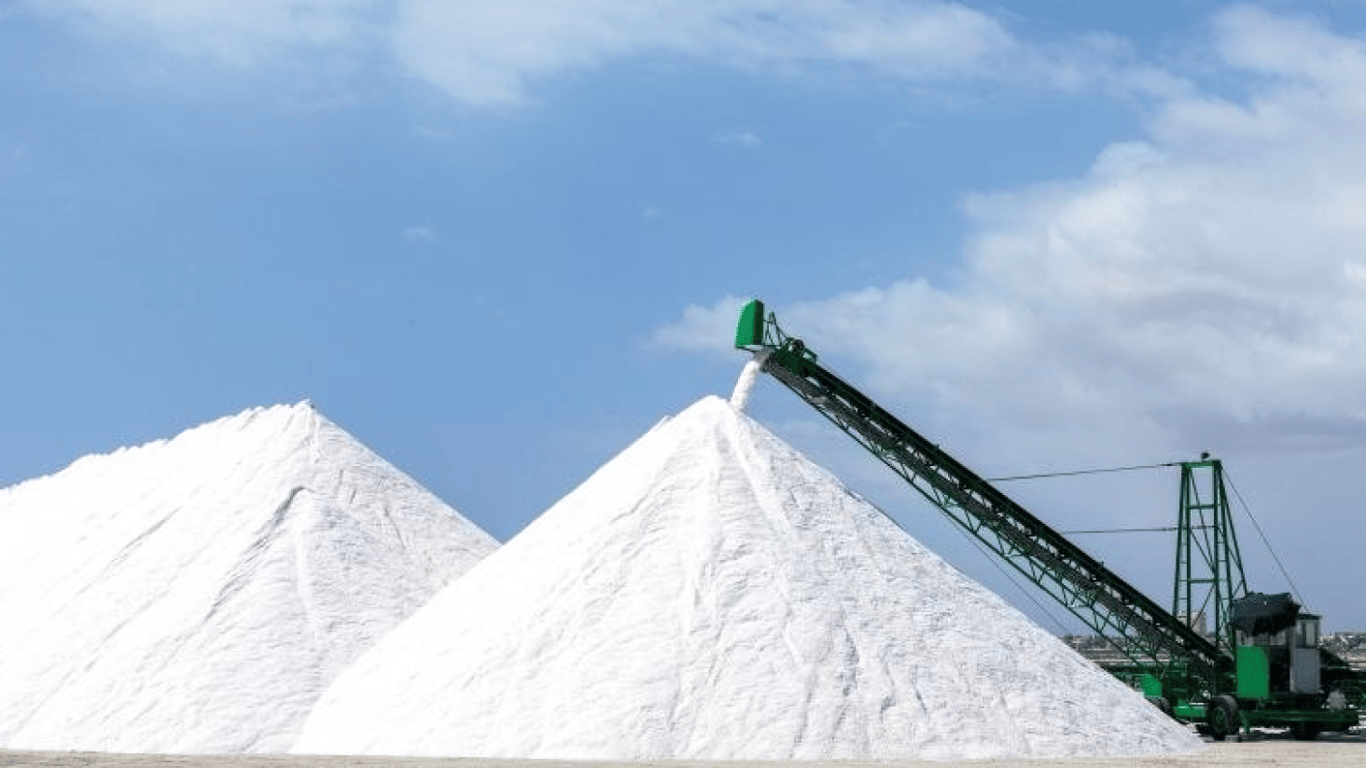
Ukraine is considering the revival of industrial salt production at the Kuialnyk Estuary in the Odesa region, with a proposed enterprise targeting annual output of about 300,000 tonnes. According to Novyny.LIVE, the project is intended to reduce the country’s reliance on imported salt following the loss of access to the Soledar deposit and the production capacity of Artemsil.
Kuialnytski Soliani Promysly LLC was established in 2026 to develop the project. The company plans to remove surplus salt from the estuary and process it into food-grade products. Once the proposed facility reaches its designed capacity, its annual production would equal roughly three-quarters of the salt Ukraine imported in 2025. The company is also considering a return to exports at a later stage.
About $30 million is expected to be invested in the development. Plans include an industrial park in the Usatove community and a salt-processing plant. The project could create jobs and generate additional tax revenue for the local budget, although its final scale and operating conditions have not yet been determined.
Imports replaced lost domestic supply
Before the full-scale war, Artemsil supplied about 90% of Ukraine’s salt market and had annual production capacity exceeding 7 million tonnes. In 2021, Ukraine exported more than 710,000 tonnes of salt and imported 142,800 tonnes. The loss of access to the Soledar deposit reversed that position and made the domestic market substantially more dependent on foreign suppliers.
Salt imports tripled in 2022 compared with the previous year and approached 750,000 tonnes in 2024, Novyny.LIVE reported. Ukraine imported 415,000 tonnes worth about $49.6 million in 2025. Egypt accounted for more than half of those supplies, while Turkey and Romania also shipped significant volumes. At its planned capacity, the Kuialnyk operation could therefore displace a large share of recent imports, particularly in the food-salt segment.
Environmental role comes with regulatory hurdles
Commercial salt extraction at Kuialnyk has a long history dating to the 16th century. The current proposal also presents extraction as a way to manage excessive salinity. Seawater has been added to the estuary since 2014, bringing an estimated 1.2 million to 1.5 million tonnes of additional salt, according to scientists from the National Academy of Sciences of Ukraine. Brine mineralisation has reached 350 parts per thousand or more, creating risks for the ecosystem and the estuary’s therapeutic mud.
Scientists estimate that controlled extraction across 100–200 hectares could almost fully offset the annual inflow of salt. However, the estuary lies within a national nature park, is classified as a therapeutic water body and borders a resort of national importance. The project consequently requires government decisions on the estuary’s permitted use, an environmental impact assessment and a special water-use permit. Approval from the national park alone is insufficient, and the Ukrainian government has not yet established a unified approach.
Regional production could rebuild self-sufficiency
Kuialnyk is not the only site being considered for the recovery of Ukrainian salt production. Authorities and investors are also assessing the Tereblia deposit in Zakarpattia, which could potentially supply industrial salt. Experts cited by Novyny.LIVE estimate that stable operations by domestic producers could allow Ukraine to become self-sufficient in salt within three to five years. Under that scenario, the market would be supplied by several regional producers rather than again depending on one dominant operation.