Ukrainian onion farm raises yields above 90 tonnes per hectare with South Korean technology
An Odesa farm using SeedOn genetics and biological inputs has raised onion yields from about 50 tonnes per hectare to more than 90 tonnes. The project is now building the production, certification and logistics base needed to supply European retailers.
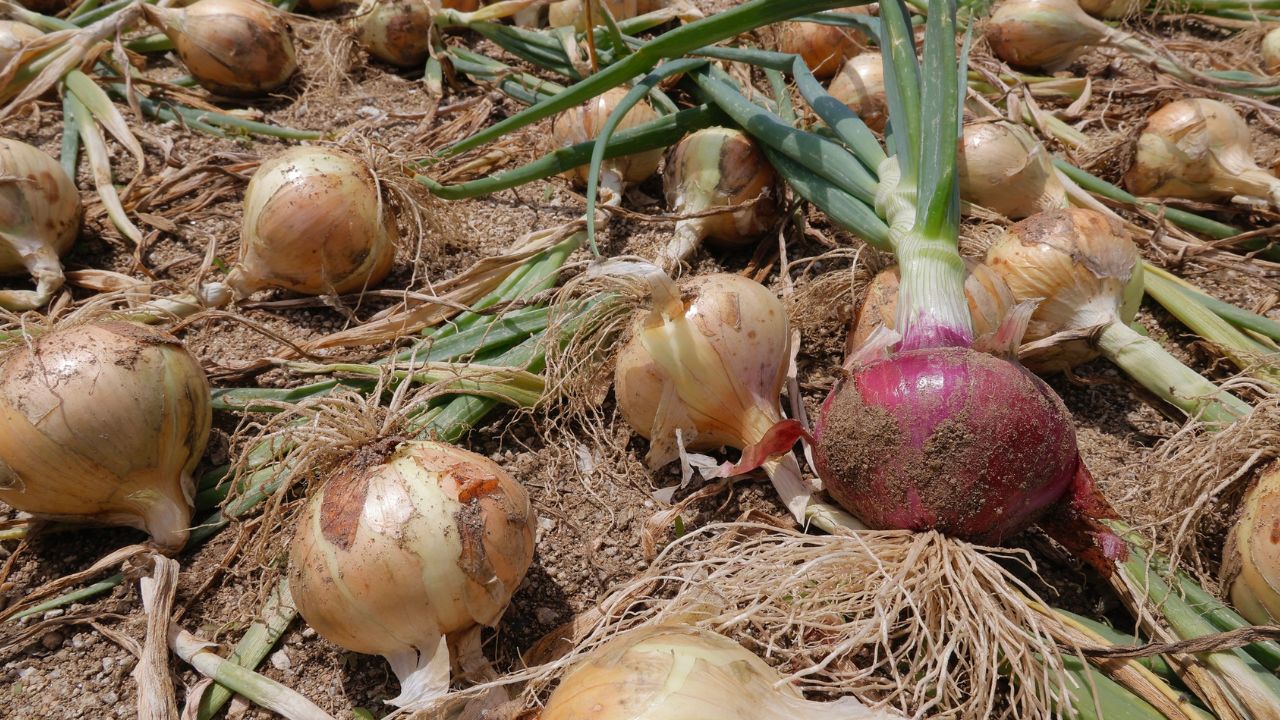
Yields rise from 50 to more than 90 tonnes
Ukraine is testing a South Korean onion-growing system that could turn its southern regions into a larger supplier of standardized onions to the European Union. Agrointel reported, citing an analysis by Ukrainian agricultural publication Kurkul, that the technology combines cold-resistant genetics from SeedOn with detailed cultivation protocols and biological inputs.
At the Pan Bilan farm in the Odesa region, the system has lifted output from the roughly 50 tonnes per hectare previously achieved by farmer Vitali Bilan to more than 90 tonnes per hectare. The genetics can withstand winter temperatures as low as -30 degrees Celsius, according to Agrointel. The harvested onions are also larger, a characteristic valued in South Korea and China and considered suitable for exports to EU markets.
Bilan said the farm tested South Korean biological preparations, including trichoderma and amino acids. According to the farmer, these inputs promoted active root development while allowing the business to reduce pesticide use and irrigation water. Valeri Rîbak, the farm’s chief agronomist, cautioned that the technology does not replace basic crop management, because the plants still require consistent attention and appropriate care.
First shipment demonstrates access to France
The commercial objective extends beyond improving yields on a single farm. Bilan said the project sent its first truckload to France last year and met European requirements covering certification and customs duties. Export infrastructure and marketing channels are now being developed for additional sales within the EU.
The proposed supply platform would aggregate between 5,000 and 50,000 tonnes of standardized, branded onions. Bilan said large European retail chains including Auchan and Metro, operating in Poland, Hungary and France, were prepared to place orders. The source did not disclose agreed volumes, delivery schedules or prices, so the level of firm demand remains unclear.
Reaching the platform’s upper range would require coordinated production well beyond the current operation. Bilan estimates that farmers in the region need to plant between 250 and 500 hectares with the relevant hybrids and combine their output into a common production flow. Uniform sizing, certification and strict compliance with contracts would be central to supplying major retail networks.
Regional scale will determine export impact
Supporters want the Korean onion-growing method formally included in the Odesa Agrarian economic program for 2026-2030. Such inclusion could give the project a regional framework while growers expand acreage and build the logistics, sorting and marketing capacity required for exports.
For producers, yields above 90 tonnes per hectare could improve the economics of onion cultivation if quality and marketable output remain consistent. Reduced pesticide and irrigation requirements could also lower input pressure, although the source provides no cost data or results from broader commercial trials. Performance on one farm therefore does not establish that all participating growers will reproduce the same outcome.
For European buyers, the initiative could create another nearby source of large, standardized onions. Its commercial significance will depend on whether growers can assemble the planned 5,000-50,000 tonnes, maintain certification and fulfill contracts across multiple seasons. The first delivery to France establishes a route to market; scaling from a truckload to a coordinated regional supply base is the next test.