Ukraine Faces Possible Onion Shortage by Spring 2027 as Farms Cut Plantings
Many Ukrainian farms reduced onion acreage this season and some large producers dropped the crop entirely, UkrAgroConsult reported citing industry experts. Yields fell by 20–30 tonnes per hectare after dust storms, return frosts and heavy rain, and prices now rarely fall below 10 hryvnia per kilogram against 2–2.5 hryvnia at last year's harvest.
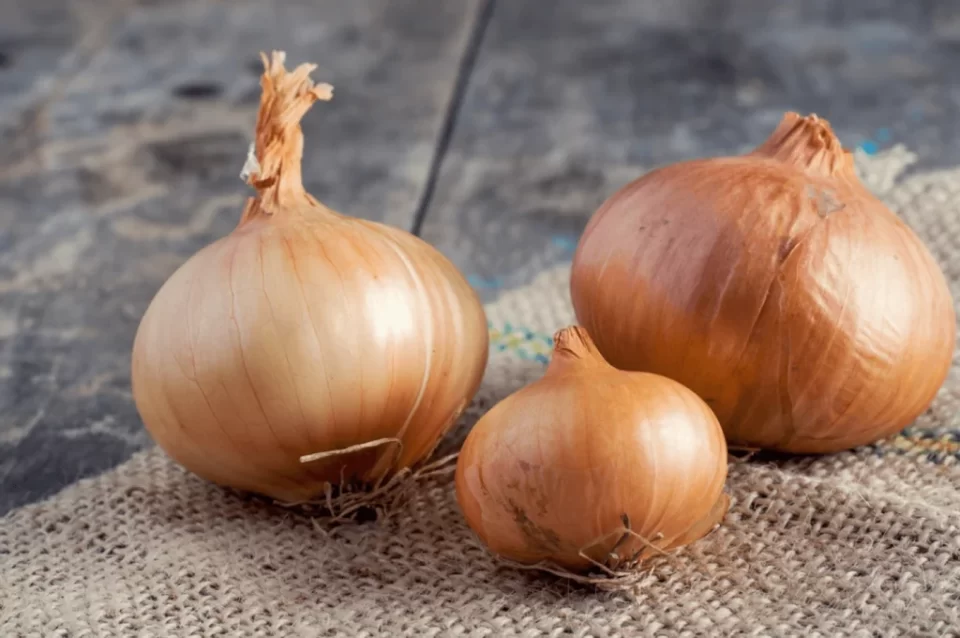
Ukraine could face a shortage of onions and a significant increase in prices by spring 2027, UkrAgroConsult reported, citing industry experts. Many farms cut the area under the crop this season, and part of the large producer base abandoned onion growing altogether. Lower yields, harvest-time prices several times above last year's level and active exports to neighbouring markets are compounding the squeeze on domestic supply.
Large producers step away from the crop
The exit of established growers is the most consequential change on the supply side. Individual enterprises placed up to 15,000 tonnes of onions into storage last year, yet did not grow the crop at all this season, according to UkrAgroConsult. Few new producers have appeared on the market to replace those volumes, which further limits the supply available to processors, wholesalers and retail chains.
For buyers, the composition of the remaining supply matters as much as the headline acreage. Large operations with storage capacity are typically the ones that keep the market supplied from winter into spring, while smaller growers sell the bulk of their crop soon after harvest. When storage-holding producers leave the crop, the volume available in the late part of the season falls disproportionately to the cut in planted area.
Dust storms and frosts cut yields
Field performance deteriorated alongside the acreage reduction. Yields declined by roughly 20–30 tonnes per hectare compared with the previous season, UkrAgroConsult reported. In the south, plantings were damaged by dust storms, while in central and western regions the crop was hit by return frosts and prolonged heavy rainfall.
Difficult storage conditions are cited as an additional source of pressure on the domestic balance. Weather stress during the growing season and compromised storage typically translate into higher shrinkage and faster deterioration of stored stock through the winter months, meaning that the volume physically available in spring can be lower than the harvested figure suggests.
Prices several times above last year
The market has already repriced. During last year's harvest, onions were sold at 2–2.5 hryvnia per kilogram; this season prices mostly do not fall below 10 hryvnia per kilogram, according to UkrAgroConsult. In western Ukraine, wholesale prices reached 18–20 hryvnia per kilogram in some periods.
- Last year's harvest-time price: 2–2.5 hryvnia per kilogram
- Current season floor: mostly not below 10 hryvnia per kilogram
- Western Ukraine wholesale peaks: 18–20 hryvnia per kilogram
A gap of this scale at the start of the storage season is characteristic of a crop that has lost both area and yield at the same time. Harvest-period prices normally mark the annual low; a floor of 10 hryvnia per kilogram leaves limited room for the usual seasonal discount and sets a high base for the winter and spring curve.
Exports to Moldova, Romania and Bulgaria add pressure
Ukrainian onions, together with other vegetables, are already being shipped to Moldova, Romania and Bulgaria, UkrAgroConsult reported. With production reduced, continued export flows draw down domestic stocks earlier in the season and could deepen the shortfall on the home market in spring.
The outcome for spring depends on how quickly stored volumes are cleared. If domestic stocks run down before the new crop arrives, the gap would have to be covered either by imports or by demand rationing through higher prices. For processors and retailers planning contracts for the first half of 2027, the practical question is whether to secure volumes now at current levels or to carry the risk of a tighter and more expensive spring market.