Ukraine dairy prices may rise 20–25% as attacks increase logistics costs
Ukrainian dairy prices could rise by 20–25% as damage to distribution infrastructure raises logistics and energy costs. Fermented dairy products are expected to see the strongest increases, while retailers and producers remain divided over sharing war-related losses.
Distribution damage pushes costs higher
Dairy product prices in Ukraine could rise by 20–25% as Russian attacks on warehouses, distribution centers and energy infrastructure increase logistics and production costs, according to Olena Zhupinas, deputy director general of the Association of Milk Producers, in an interview with RFI Ukrainian. A previously expected seasonal increase after September 1 had been estimated at 5–10%, broadly matching anticipated inflation.
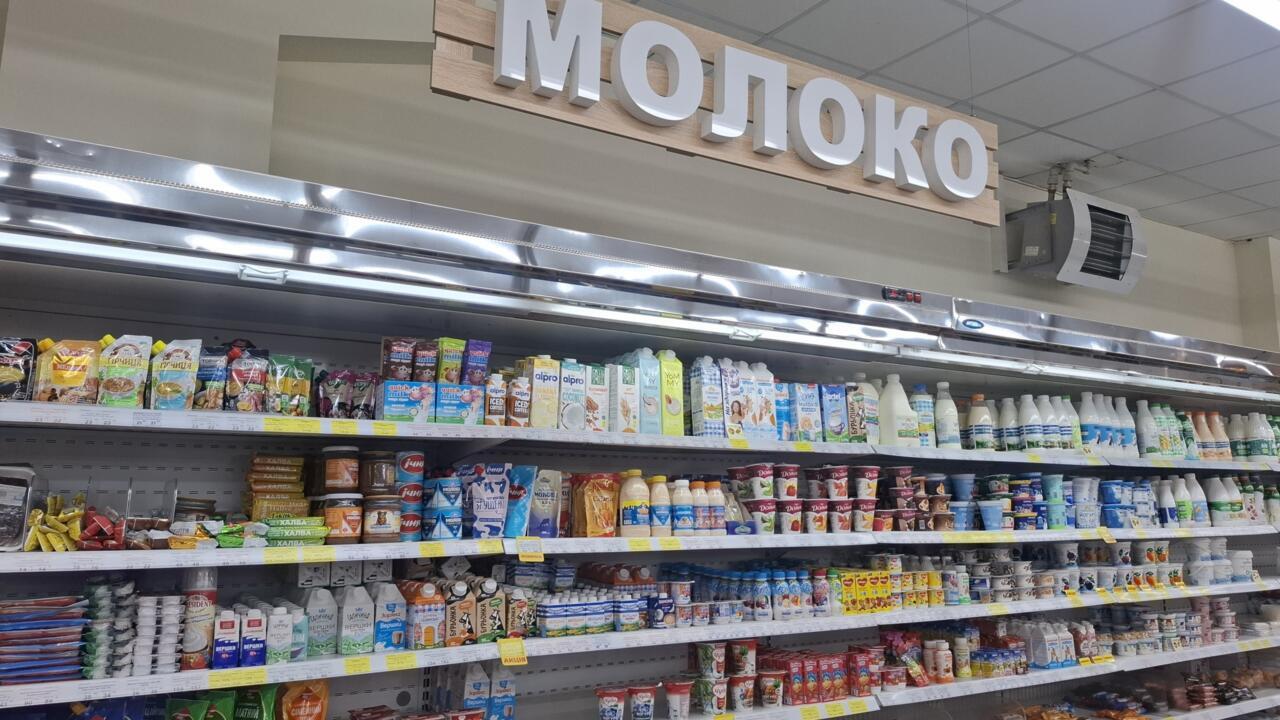
Dairy goods temporarily disappeared from some supermarket shelves following attacks on the logistics infrastructure of grocery chains. Milk production and processing have continued, but shipments of finished products have been disrupted. The greatest difficulties affect products with short shelf lives that require an uninterrupted cold chain.
Before the disruption, refrigerated trucks moved products from plants to temperature-controlled distribution centers, where goods from several processors were consolidated for delivery to stores. Damage to this system has forced processors to reorganize routes and increase production of longer-life milk that is less dependent on refrigerated distribution. The sector has been adapting since attacks intensified in mid-July.
Product mix and retail channels change
The Association of Milk Producers expects a narrower assortment in some large supermarkets and a stronger presence for nearby suppliers. Kyiv could receive more products from Yahotyn, Bila Tserkva, Obukhiv and Vyshneve, while western regions may rely more on Molokiya and Halychyna. Suppliers from Zlahoda and Pavlohrad could gain visibility in the Dnipropetrovsk region. Small neighborhood stores and market outlets have maintained a broader selection because their supply channels were less affected.
Fermented dairy products are expected to record the largest price increases because logistics changes directly raise handling costs. The association also anticipates fewer deep promotions, including discounts on butter, and a modest rise in hard-cheese prices. Imported cheese is expected to become less available. Zhupinas said cheaper imports, particularly subsidized Polish cheese, had previously limited prices for Ukrainian products. Imported cheese already accounts for as much as 50% of cheese on some supermarket shelves.
Loss-sharing dispute adds pressure
Higher fuel costs are another source of pressure. Dairy farms and processors have used generators and other alternative energy sources since the winter of 2022–2023, but expensive generator fuel increases the cost of every energy-dependent product. Prices are nevertheless expected to rise gradually because processors recognize that households cannot absorb a sudden increase.
A separate dispute concerns losses from damaged retail warehouses. Ekonomichna Pravda reported that retailers had asked suppliers to cover as much as 50% of losses caused by Russian attacks. No compromise has been reached. The association argues that dairy farms have operated at a loss for six months because prices paid for raw milk remain below production costs, while processors are close to break-even and cannot assume additional retail losses.
Ukraine introduced a new war-risk property insurance mechanism on January 1, 2026. Administered by the fully state-owned Export Credit Agency, it provides direct compensation to businesses in frontline regions and partial reimbursement of insurance premiums elsewhere. Industry representatives say available funding remains insufficient. After the Yahotynske for Children plant was hit in June, the company borrowed money to restore production, adding a substantial financial burden even though its products returned to shelves.