Ukraine Cleared to Export Cattle to Algeria as Algiers Cuts Import Duties
Ukraine's food safety authority announced on 26 January that Ukrainian live cattle can now enter the Algerian market for slaughter, fattening and breeding. The opening adds a new supplier to Algeria's existing sources and coincides with sweeping duty exemptions Algiers has adopted to close a structural red meat deficit.
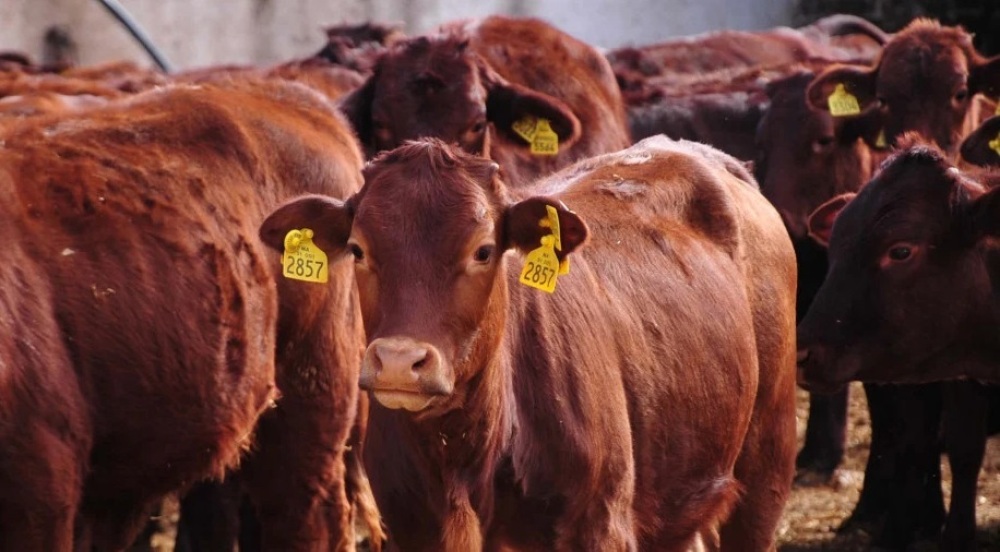
Ukraine has secured access to the Algerian live cattle market, opening a new trade channel for one of Africa's largest beef consumers. According to a statement published on the Ukrainian government website, the Ukrainian State Service for Food Safety and Consumer Protection announced on 26 January that exports of Ukrainian cattle to Algeria are now authorized, having validated the sanitary certificates required for the animals to enter the market.
The agency said the cattle concerned are destined for slaughter, fattening and breeding. It described the opening as an important step in strengthening trade and economic cooperation between Ukraine and Algeria, and as confirmation that Ukrainian products meet the importing country's veterinary requirements.
A new supplier in a crowded field
Algeria currently sources its live cattle mainly from Brazil, Ireland, Germany, Poland and Italy, according to La Tribune. Ukraine's entry gives Algerian buyers an additional origin at a moment when the country is actively encouraging live animal imports to supply abattoirs, stabilize prices and cover seasonal demand peaks.
The move fits a broader strategy to close a structural red meat deficit. With the national herd unable to fully meet domestic demand, the government has chosen to rely on imports of live animals and has significantly eased the fiscal and regulatory framework around them.
Duty exemptions and a preferential regime
Under the 2026 Finance Bill, Algiers adopted a series of exceptional measures to facilitate imports destined for slaughter. Between 15 November 2025 and 30 June 2026 — a window that covers the Eid al-Adha festival — cattle imports benefit from a full exemption from customs duties, value-added tax (VAT), the bank domiciliation tax, the solidarity contribution and the withholding tax. The stated aim is to guarantee sufficient supply for the major religious holiday and to limit price spikes on the domestic market.
Beyond that window, Algiers has kept a preferential regime in place. After June, cattle imported for slaughter will be subject to a reduced customs duty of 5% until 31 December.
Demand outpacing local supply
The reliance on imported live cattle and beef reflects a fast-growing market. Driven by population growth, urbanization and changing dietary habits, demand for red meat is strong. Average consumption is estimated at between 18 and 22 kg per person per year, of which about 11 kg is beef, according to data from the Institut d'études et de recherches sur le halal (IERH).
Algeria, the largest country in Africa, ranks third on the continent for beef consumption, behind South Africa and Egypt. The red meat sector accounts for roughly 17% of the country's agricultural GDP, but local production covers only about 80% of national demand — a gap that makes imports necessary to support slaughterhouses, regulate prices and meet seasonal peaks.
At the same time, Algeria has not abandoned its ambition to strengthen local output. The Ministry of Agriculture has launched several initiatives to that end, notably the creation in December 2024 of the National Commission for the Strengthening of Red Meat Production. Based in Algiers, the body is tasked with proposing concrete solutions to develop the sheep and cattle herd, improve farm productivity and better structure local supply chains.