Uganda to write off Shs35 billion in tea factory tax arrears and add sector investment
Uganda plans to cancel Shs35 billion of accumulated tax debt owed by its tea factories, according to APA News, with the Kenyan Wall Street describing the package as tax relief combined with a KSh7.25 billion investment to revive the sector. Both publications link the factories' debts to a prolonged crisis in the tea industry. Neither report names the factories covered or sets a timeline for the investment.
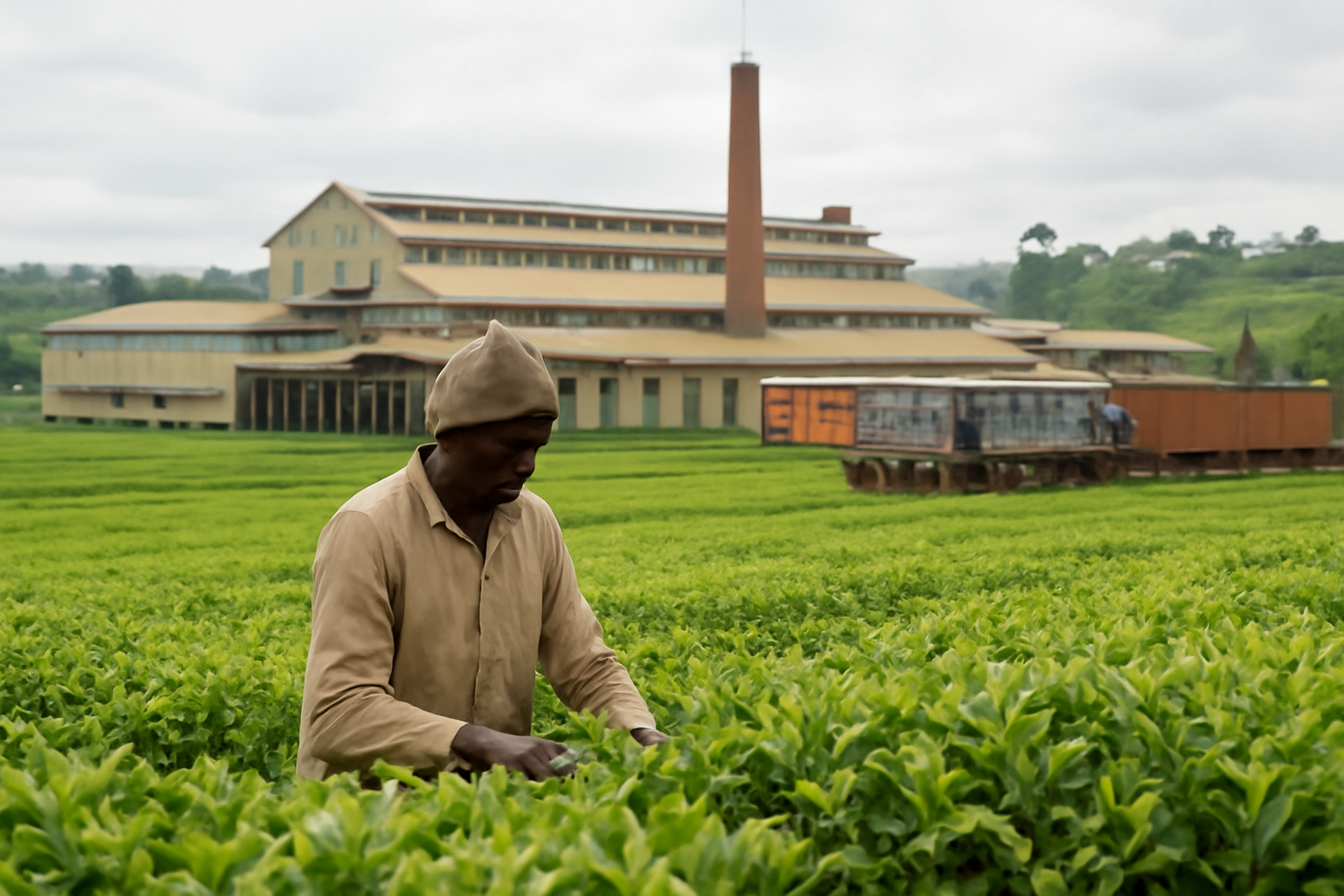
Uganda plans to write off Shs35 billion in tax arrears owed by the country's tea factories and to combine the relief with fresh investment in the sector, according to reports by APA News and the Kenyan Wall Street. Both publications say the measure is intended to ease the financial burden on processors, some of which have built up debts and run into other operational problems during a prolonged crisis in the industry.
Relief aimed at debt-laden processors
APA News describes the package as Shs35 billion being shaved off the tax arrears of Ugandan tea factories, pointing to liabilities that have already accrued rather than to a change in what factories will pay on future output. Neither report describes any adjustment to tax rates, levies or duties applied going forward.
A write-off of arrears works differently from a tax cut. It removes a liability already recorded against a company rather than improving the margin on each kilogram processed in coming seasons. Tax debt also sits on the balance sheet as an obstacle that can complicate access to bank credit, although neither publication addresses the credit position of the companies involved.
Financial strain is the stated reason for the intervention. Both outlets attribute the difficulties of individual factories to accumulated debt combined with other operational challenges, set against what they describe as a prolonged crisis in the tea sector. Neither identifies the factories covered, their number, or the period over which the arrears built up.
Two figures, one package
The Kenyan Wall Street presents the plan as tax relief alongside a KSh7.25 billion investment to revive the tea sector, reporting the amounts in Kenyan shillings for its regional readership, while APA News quantifies the relief at Shs35 billion in Ugandan currency. The two amounts correspond to one another at the conversion used in the Kenyan report.
Both accounts frame the measure as a plan rather than a completed step. APA News refers to planned tax relief, and the Kenyan Wall Street describes Uganda as planning relief and investment together. Neither names a date on which the write-off takes effect, nor the legislative or administrative route through which it is executed.
What the investment component consists of is not detailed in either account. The reports do not state who provides the money, whether it is directed at factory upgrades, working capital or support to growers, or over what period it is to be spent. Also absent is any indication of whether the tax write-off carries conditions for the factories that benefit.
Open questions for processors and buyers
For producers, traders and investors tracking East African tea, several specifics will determine how much of the announced support reaches operations:
- the number of factories whose arrears are cancelled and the share of national processing capacity they represent;
- which taxes are covered and over how many years the arrears accumulated;
- the source, form and schedule of the KSh7.25 billion investment reported by the Kenyan Wall Street;
- whether the relief is tied to obligations such as clearing payments owed to smallholder growers.
Neither report provides production, processing or export volumes for Ugandan tea, and neither gives auction or farmgate prices for the period in question. Until implementing detail is published, the confirmed elements of the plan remain its two headline numbers and its stated purpose: removing accrued tax liabilities from factory balance sheets and putting money back into a processing base that both publications describe as financially strained.