Uganda announces €173 million coffee processing park targeting Saudi market
Uganda plans a $200 million (€173 million) coffee processing complex with annual capacity of 42,000 tonnes. The public-private project is designed to turn locally grown beans into finished products, primarily for Saudi Arabia.
A 42,000-tonne processing complex
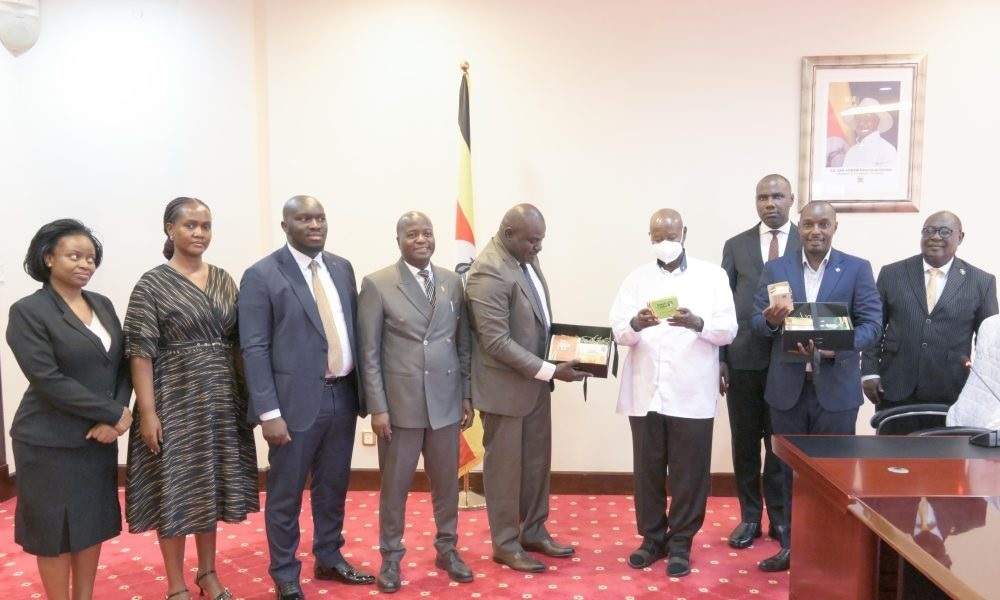
Uganda has announced plans for a $200 million (€173 million) agro-industrial complex intended to expand domestic coffee processing and exports of finished products. La Tribune reports that the proposed Nonda Coffee Park would be built at Butalangu in central Uganda following a meeting on 27 July between President Yoweri Museveni and Tonny Miiro Kibuuka, chief executive of project promoter Nonda Commodities.
The complex is planned on a 40-hectare site and would have capacity to process 42,000 tonnes of coffee annually. The project is structured as a public-private partnership. According to official information cited by La Tribune, Uganda’s government is expected to contribute about $44 million (€38 million), with the remaining financing coming from private Saudi investors.
Kibuuka said construction was scheduled to begin in October and take 24 months. The proposed timetable would make the park one of Uganda’s most substantial current investments in downstream coffee operations, although the project must still move from announcement to construction and commissioning.
From green beans to finished products
Nonda Coffee Park is intended to cover the full processing chain, including cleaning, sorting, roasting, grinding, soluble coffee production, packaging and branding. Finished products would then be exported, primarily to Saudi Arabia. This integrated model is designed to retain more processing income in Uganda instead of exporting almost all production as an unprocessed agricultural commodity.
The project forms part of the Great UgandaSaudi Coffee Corridor, an initiative under the ValueatSource Coffee Project. A Ugandan government statement said the facility was expected to generate more than $800 million (€694.3 million) in annual revenue and substantially increase the country’s foreign-exchange earnings from coffee exports. That projection represents an official expectation rather than operating revenue from an established plant.
The choice of Saudi Arabia as the main destination also links the project’s financing with a defined outlet for finished coffee. For growers, processors and traders, its commercial significance will depend on whether the facility can secure sufficient bean supply, operate at its planned capacity and establish Ugandan roasted and soluble coffee in that market.
Uganda seeks more value from coffee
Uganda is the world’s sixth-largest coffee exporter, behind Brazil, Vietnam, Colombia, Indonesia and Ethiopia, and the fourth-largest producer of robusta, a variety widely used in instant coffee. Despite that position, the country remains a limited processor. US Department of Agriculture data cited by La Tribune show that more than 98% of Ugandan coffee is shipped internationally as green beans, mainly to the European Union, the United States and Morocco.
Coffee is expected to generate $2.3 billion, or about €2 billion, in merchandise revenue in 2025/2026, making it Uganda’s second-largest source of merchandise earnings after gold. The sector also supports more than one million producers. Increasing local processing could therefore affect farm demand, industrial employment and the composition of export earnings, but it would also require reliable quality control, logistics, energy and access to destination markets.
Other processing initiatives
Nonda Coffee Park is not Uganda’s only attempt to build a downstream coffee industry. The government has invested since 2023 in an industrial coffee plant at Rwashamaire in Ntungamo District. That facility is intended to produce instant coffee, filter coffee, malted coffee, energy drinks and coffee-based cosmetics.
Uganda is also receiving international support for value-added coffee production through cooperation programmes with Italy and technical partners focused on training and processing. Together, these projects indicate a policy shift toward exporting a broader range of coffee products. For exporters of green beans, the emerging plants could become new domestic buyers; for finished-product manufacturers, the test will be whether Uganda can turn its robusta production base into competitive brands and stable overseas sales.