UAE trade halt and planned US sanctions threaten India’s Iran export corridor
The UAE’s suspension of trade and financial transactions with Iran threatens a route used for Indian rice, tea and pharmaceutical exports. Indian suppliers face greater payment, freight and insurance risks as they assess direct shipping and alternative jurisdictions.
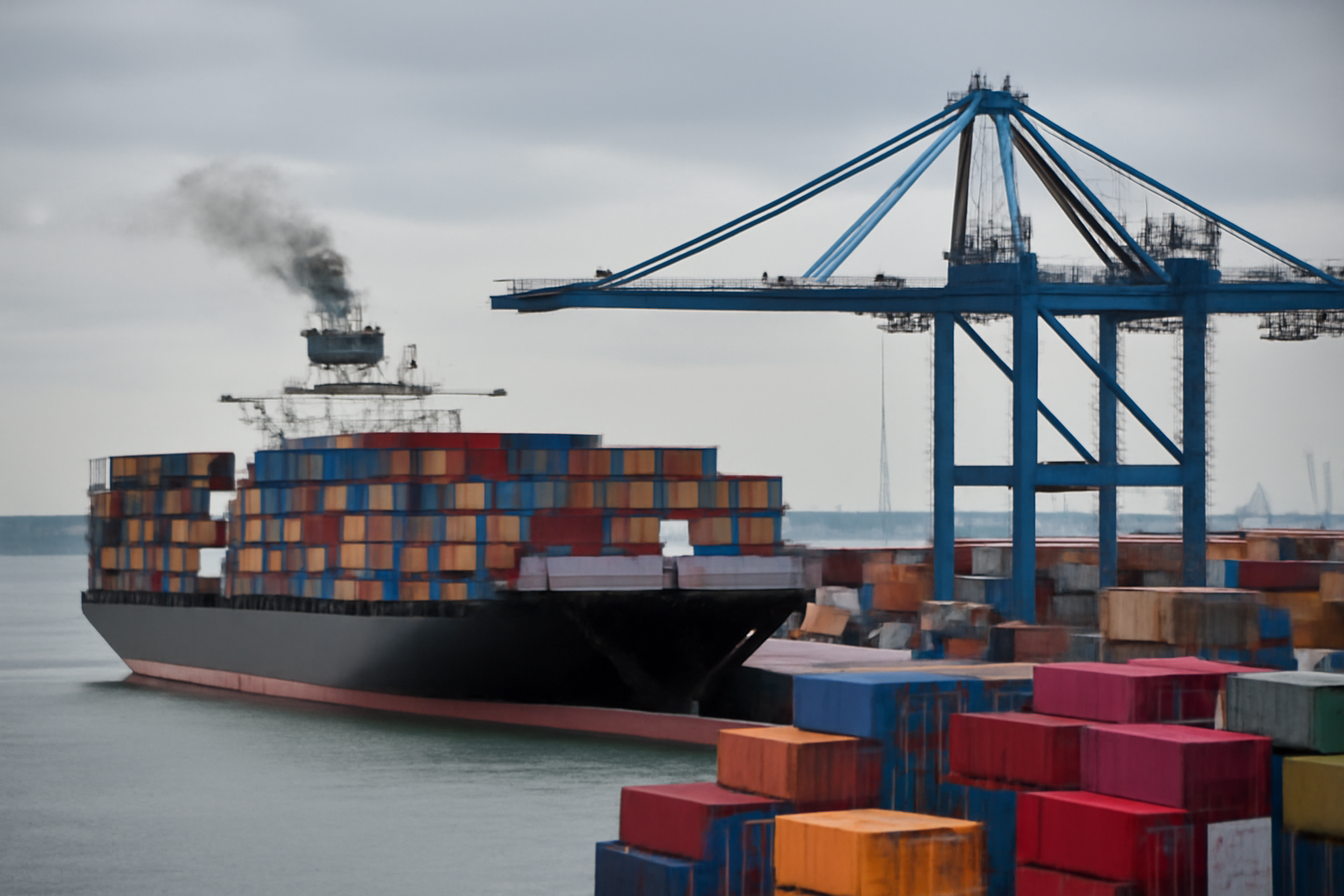
Dubai route comes under pressure
The United Arab Emirates’ suspension of trade activities, exchanges and financial transactions with Iran until further notice has put a key channel for Indian exports under pressure. Reuters reported that Indian rice, tea and pharmaceutical shipments to Iran have been routed largely through Dubai in recent years. Planned new US sanctions could further restrict a trade relationship already constrained by banking caution, shipping disruption and existing measures against Tehran.
India remains among Iran’s five largest trading partners, but bilateral commerce has fallen by more than 90% from its 2018/19 peak of $17 billion, according to Reuters. Indian exports are now concentrated in products that may qualify for humanitarian exemptions. Those exemptions can permit food and medicines in principle, but they do not guarantee access to banks, insurers, carriers or workable payment channels.
Rice and tea exporters carry immediate exposure
India exported $383.11 million of rice to Iran in the first half of 2026, making Iran its second-largest overseas market for premium rice, including long-grain basmati. The exposure is concentrated among millers and exporters in northern India. Dev Garg, vice-president of the Indian Rice Exporters Federation, told Reuters that a prolonged interruption would affect the basmati industry more heavily than India’s wider non-basmati trade.
Tea exports to Iran reached $14.34 million in the same period. Prabhat Bezboruah, a senior planter and former chairman of the Tea Board, said sales would be affected because a large share moves through the UAE. Pharmaceuticals face the same logistical and financial bottlenecks, even where the products themselves remain eligible for humanitarian treatment.
The disruption follows earlier cargo delays. India’s Ministry of Commerce and Industry said that, as of March 1, 2026, Kandla held 35,962 tonnes of rice, tea and pharmaceutical cargo bound for Iran, with an approximate free-on-board value of 3.0567 billion rupees. Mundra held another 5,676 tonnes valued at approximately 407.2 million rupees. Official data also show basmati shipments to Iran rising from 627,030 tonnes in April 2024–January 2025 to 790,691 tonnes in April 2025–January 2026.
Payments may be harder to replace than vessels
Until recently, an Indian exporter could receive payment through an authorised Indian bank from a UAE trader’s account in dirhams, dollars or another permitted currency. The UAE trader would separately collect payment from the Iranian customer through legally compliant channels. Closing that arrangement affects both the physical route and the commercial infrastructure supporting the sale.
Exporters are examining alternatives, including Turkey, while direct shipments to Iran could increase. Neither option removes the central payment problem. Ajay Srivastava of the Global Trade Research Initiative said food and pharmaceutical products might receive exemptions, but exporters could still incur higher freight, insurance and payment costs. Companies must also assess whether banks and service providers will process transactions even when the underlying cargo is exempt.
The UAE’s role extends beyond Indian shipments. The Associated Press reported that the country supplied more than 30% of Iran’s imports, worth about $21 billion, based on 2024 World Trade Organization figures, and received nearly 13% of Iranian exports worth around $7 billion. Its withdrawal therefore removes a major re-export and financial hub. For Indian suppliers, the immediate questions are whether alternative payment routes remain compliant, whether buyers can finance purchases and how much additional transport and insurance cost the low-margin rice and tea trades can absorb.