UAE raises petrol and diesel prices by up to 16.6% from 1 October
Petrol and diesel prices in the United Arab Emirates rose on Thursday, 1 October, under the new tariff set by the country's fuel price follow-up committee. The increase reached as much as 16.6%, according to Al Wakeel News. UAE pump prices are reset monthly, so the new schedule holds until the committee's next review.
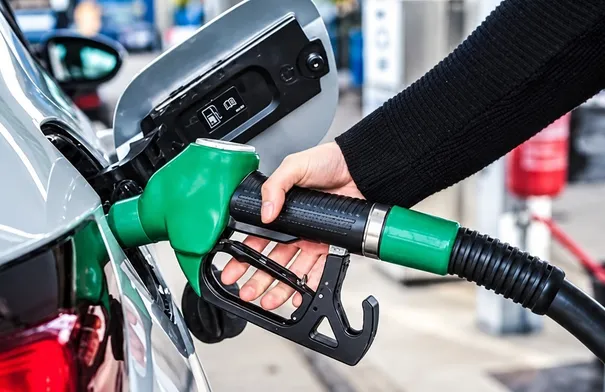
Petrol and diesel prices in the United Arab Emirates rose on Thursday, 1 October, under the new tariff published by the country's fuel price follow-up committee. The increase reached as much as 16.6%, according to Al Wakeel News, and applies to both petrol and diesel sold at service stations across the country.
What changed on 1 October
Al Wakeel News reported that the new schedule took effect at the start of the month and described the revision as a broad increase spanning fuel types, with the largest single adjustment at 16.6%. The report did not publish a grade-by-grade breakdown of the new pump prices, and no stated justification for the size of the move accompanied the tariff in the material cited.
Because UAE retail fuel is priced on a monthly schedule rather than held at a fixed national rate, the October tariff replaces September's levels in full and stands until the committee's next review. There is no phase-in: private motorists and commercial fuel buyers face the new prices from the same day.
How the monthly tariff works
The fuel price follow-up committee sets retail prices for the month ahead and announces them shortly before they take effect. The mechanism allows pump prices to move in either direction from one month to the next, which means a single increase — even a double-digit one — does not on its own establish a trend. What it does establish is the cost base that fuel buyers in the Emirates will work with for the next 30 days.
For commercial users, that is the central operational point. Haulage companies, taxi and bus operators, construction contractors and industrial consumers cannot lock in a domestic pump price for longer than a month unless they buy under a supply contract priced on a different basis. Budgets are therefore built against a figure that is reset twelve times a year.
Where the increase lands first
Diesel is the fuel that matters most to the commercial side of the economy, and an increase of this size works through several channels almost immediately:
- Road freight and last-mile delivery fleets, where fuel is one of the largest controllable costs per kilometre
- Construction and infrastructure contractors running diesel plant, pumps and on-site generators
- Passenger transport, including taxis, buses and ride-hailing fleets
- Warehousing and cold-chain operators relying on diesel-powered refrigeration and yard equipment
Petrol increases pass through more directly to households and to light commercial fleets. In an economy where logistics, re-export trade and construction account for a substantial share of non-oil activity, a move of up to 16.6% is material for operators working on thin per-kilometre or per-shipment margins, particularly those locked into fixed-price annual contracts that cannot be repriced monthly.
What to watch
The next reference point is the committee's tariff for November, which under the monthly cycle is expected towards the end of October. A partial reversal would confine the impact to a single month; a second consecutive rise would turn the October move into a cost trend that transport and construction firms would need to price into contracts rather than absorb.
Also worth tracking is whether freight and passenger operators respond with fuel surcharges or renegotiated rates, and whether the increase becomes visible in UAE consumer price data for October, where transport carries one of the heavier weights in the basket.