Türkiye’s TÜRİB Futures Market to Start With Wheat and Corn Contracts
TÜRİB plans to launch its futures market by year-end with wheat and corn contracts. The platform will offer physical delivery for contracts backed by electronic warehouse receipts and cash settlement for index-based contracts.
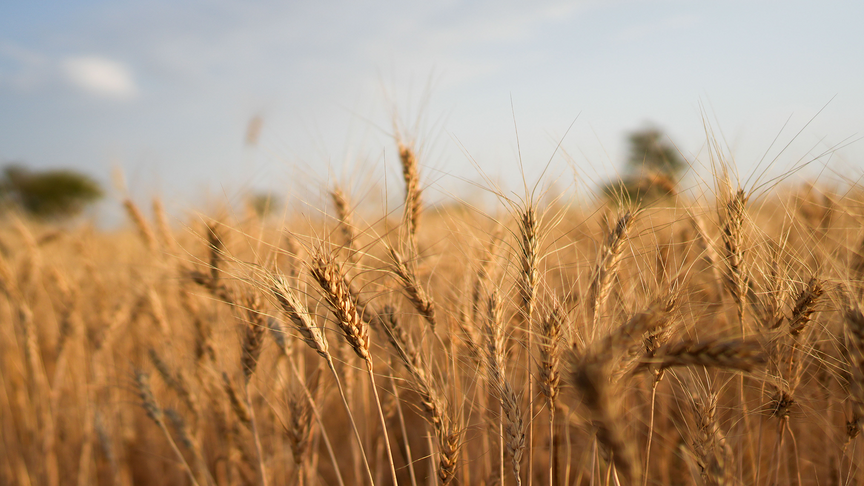
TÜRİB targets a year-end launch
Türkiye Ürün İhtisas Borsası, or TÜRİB, plans to open its futures market with wheat and corn contracts by the end of the year, according to Anadolu Agency. The initiative would add an organized derivatives venue to Türkiye’s agricultural market, giving producers, processors and traders a new mechanism for managing price exposure in two of the country’s most important grains.
TÜRİB General Manager Ali Kırali presented the planned market structure at a promotional meeting hosted by the İzmir Commodity Exchange. No precise launch date, contract size, maturity schedule or trading fee was disclosed. The initial product scope is nevertheless defined: wheat and corn will be the first underlying commodities, while the infrastructure has been designed to accommodate additional products and delivery locations later.
Physical delivery and cash settlement
The exchange intends to use two settlement models. Contracts backed by Electronic Warehouse Receipts, known in Türkiye as ELÜS, will provide for physical delivery. Index-based contracts will be settled in cash. This distinction gives commercial participants a route to connect futures positions with stored grain, while also allowing market users seeking financial price exposure to trade without taking delivery of the commodity.
Konya is being considered as the initial physical delivery point because of its concentration of grain production and central logistics position, Kırali said. Locating delivery in a major producing region could help align futures prices with conditions in the physical market. However, liquidity will also depend on whether contract specifications, approved stocks and delivery procedures reflect the operating needs of farmers, warehouses, millers and grain merchants.
Price discovery becomes the central test
İzmir Commodity Exchange Chair Işınsu Kestelli said organized markets are important for managing price risks in agricultural products. She argued that a more competitive agricultural sector requires better price-risk management and called on market participants to develop the platform, explain it accurately and connect it with the real needs of the industry.
For wheat and corn buyers, a functioning futures market could provide forward price references for purchasing, inventory and processing decisions. Producers and holders of warehouse receipts could use contracts to reduce exposure to adverse price movements before a sale. Flour producers, feed manufacturers and grain traders could likewise use the market to manage input or inventory risk. These benefits will depend on sustained participation and transparent price formation; announcing contracts alone does not guarantee a representative benchmark.
The meeting also included representatives from İş Yatırım Menkul Değerler, the Turkish Flour Industrialists’ Federation and the İzmir Commodity Exchange. Their involvement highlights the range of participants needed to build an agricultural derivatives market, from financial intermediaries to processors and physical-market operators. The planned ability to add underlyings and delivery points may eventually broaden the platform, but the first measure of success will be whether wheat and corn contracts attract enough commercial use to support reliable hedging and price discovery.