Turkish Drones Gain Ground Across Middle East, North Africa and Europe
Turkish-made Bayraktar TB2 and Akıncı drones are gaining customers across the Middle East and North Africa, with Forbes also pointing to their entry into Europe. The expansion strengthens Turkey’s defense-export position and increases competitive pressure on incumbent unmanned-aircraft suppliers.
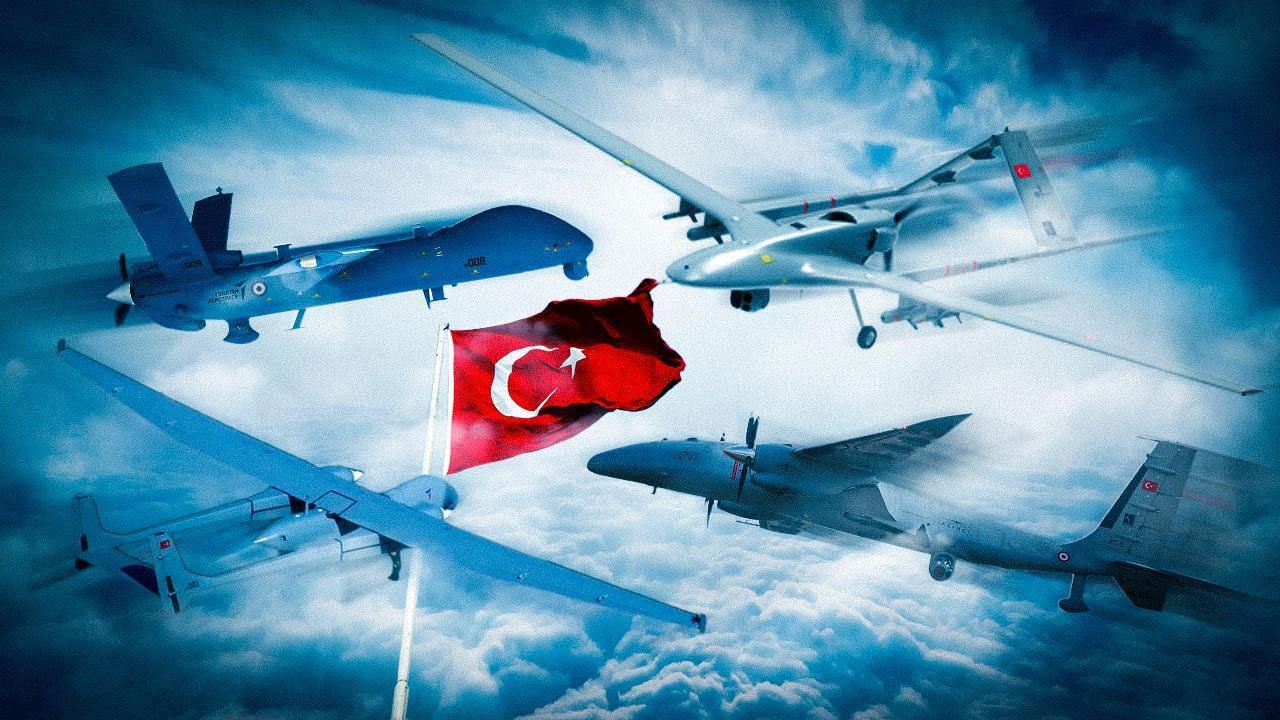
Turkish unmanned aircraft widen their international footprint
Turkish-made unmanned aerial vehicles are becoming increasingly common in defense procurement across the Middle East and North Africa. Türkiye Gazetesi reports that countries ranging from Saudi Arabia and Qatar to Egypt and Algeria are acquiring Turkish platforms, including the Bayraktar TB2 and the larger Akıncı. The publication, citing an analysis by Forbes, says these systems have emerged among the most sought-after Turkish defense products in the Arab world.
The trend gives Turkey a broader role in a market traditionally contested by established suppliers from the United States, Europe and other major defense-producing countries. The source material does not provide contract values, delivery schedules or fleet numbers, but the range of named customers shows that Turkish manufacturers are no longer dependent on a single regional buyer or one class of operator. Gulf states and North African countries have different security requirements, budgets and operating environments, making their shared interest commercially significant.
Bayraktar TB2 and Akıncı address different requirements
The Bayraktar TB2 and Akıncı give Turkish suppliers access to more than one segment of the unmanned-aircraft market. Their inclusion in procurement programs from Saudi Arabia to Egypt, Qatar and Algeria indicates demand for a wider Turkish product portfolio rather than a single aircraft model. Türkiye Gazetesi also cites Libya when describing the spread of Turkish systems across the region.
For buyers, the growing customer base can support training, maintenance and operational experience across multiple markets. For manufacturers and component suppliers, every new aircraft sale can create follow-on demand for ground-control equipment, spare parts, servicing and upgrades. The supplied report does not identify the terms of these support arrangements, so their commercial value cannot be quantified from the available information.
For incumbent suppliers, Turkey’s advance adds another competitor in tenders where delivery availability, capability and the wider political relationship with the exporting country can influence purchasing decisions. The presence of Turkish platforms across several Arab states may also make them easier for additional customers to evaluate through regional operating experience. Forbes, as cited by Türkiye Gazetesi, described Turkish armed drones as increasingly visible throughout the Arab world and said more countries were seeking to become customers.
Expansion extends beyond Arab markets
The international push is not confined to the Middle East and North Africa. According to the Forbes analysis reported by Türkiye Gazetesi, Turkish drones have also entered the European market. No European customers, volumes or contract values are specified in the supplied text, but the reference broadens the competitive scope of Turkey’s unmanned-aircraft industry beyond its strongest recent regional markets.
The report links wider adoption of Turkish drones with successive records in Turkey’s defense exports, although it provides no export totals or comparison periods. The customer geography nevertheless matters: sales across the Gulf, North Africa and Europe can diversify demand and reduce manufacturers’ exposure to procurement cycles in any single country. They can also strengthen Turkey’s position as an exporter of complete aviation systems rather than only parts or conventional military equipment.
HÜRJET milestone signals a wider aviation push
The same Türkiye Gazetesi report highlights progress in Turkey’s crewed military-aircraft program. Haluk Görgün, head of the Presidency of Defence Industries, said the first HÜRJET intended for delivery to the Air Force Command successfully completed its maiden flight after ground and taxi tests on 30 August. The article does not give a delivery date or production target.
HÜRJET is separate from the Bayraktar drone business, but its development illustrates the widening scope of Turkey’s domestic aerospace manufacturing. For international customers and competing suppliers, the combination of expanding drone sales and progress in jet-aircraft development points to a Turkish industry seeking a larger share of defense procurement across several aircraft categories. Future competitive effects will depend on confirmed orders, delivery performance and long-term support, figures that were not disclosed in the source material.