Turkish dairy producers warn rising costs could tighten beef supply
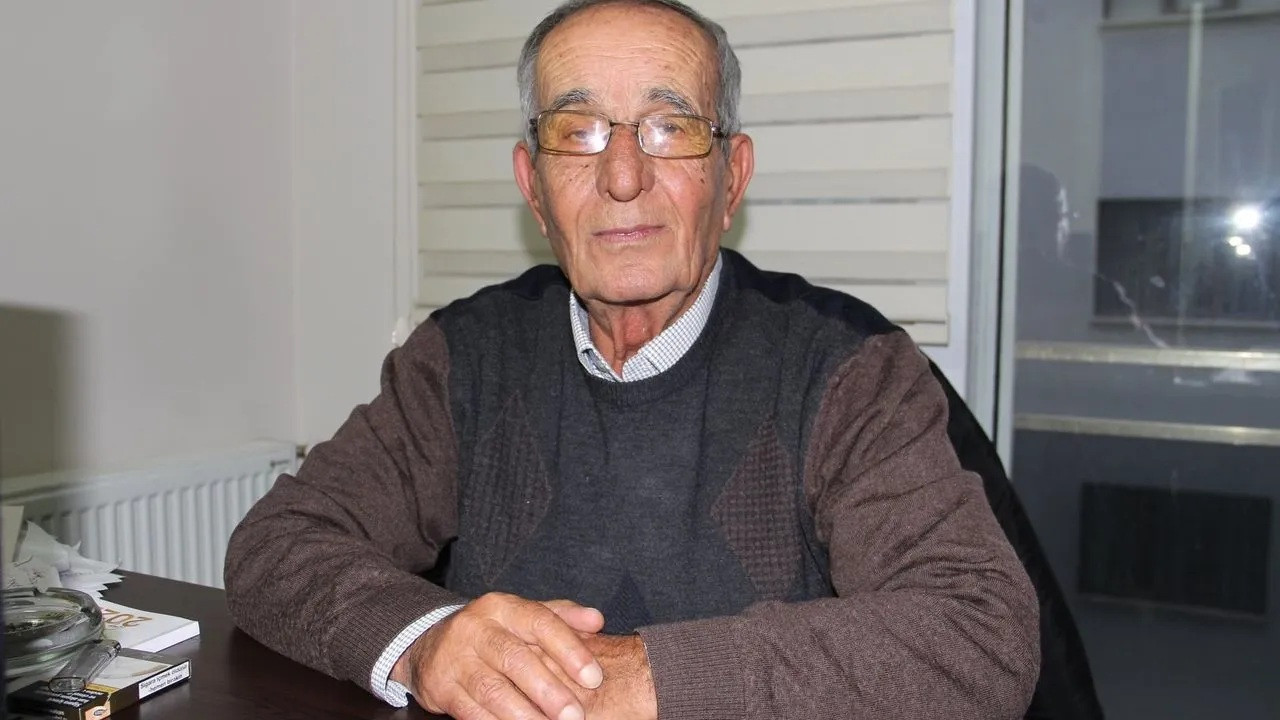
Former Aydın Milk Union chairman Servet Başkaya says high feed and diesel costs, animal disease and extreme weather are pushing Turkish farmers into losses. He argues that restoring dairy profitability is essential to prevent further cattle losses and ease pressure on the beef market.
Farm losses extend across agriculture
Rising input costs, natural disasters and animal disease are putting Turkey’s agricultural and livestock producers under mounting financial pressure, according to Servet Başkaya, former chairman of the Aydın Milk Union. He warned that weak dairy economics could push more cattle out of production and prolong problems in the country’s meat market.
Başkaya told Aydınlık that drought, frost, hail and foot-and-mouth disease compounded the effect of rapidly increasing production costs during 2025. He said producers across multiple crop categories, from figs and olives to tomatoes and aubergines, were losing money and struggling to sell their output. Many products were still being offered at the previous year’s prices, he added.
The warning connects crop-sector difficulties with livestock economics because dairy farms depend heavily on feed and energy. Higher diesel and feed bills increase the cost of maintaining cattle even when processors pay more for milk. Continued losses may encourage farmers to reduce their herds, weakening both milk output and the future supply of animals for beef production.
Milk-feed ratio remains the central concern
Başkaya identified the imbalance between milk and feed prices as the livestock sector’s main problem. He said an economically sustainable ratio would allow a producer to buy 1.5 kilograms of feed with the proceeds from 1 litre of milk.
The National Milk Council’s recommended milk price was in a range of 24-25 Turkish lira, while farm-level or higher-quality milk was finding buyers at more than 30 lira, according to Başkaya. Even a price of 30 lira was insufficient to protect producers from rising feed and diesel expenses, he said.
Başkaya also reported a serious decline in the number of milked cows and the overall cattle population, linking it to foot-and-mouth disease and persistent producer losses. Lower production has increased processors’ demand for milk. However, he argued that Turkey cannot resolve pressure in the meat market unless dairy farming becomes profitable and the relationship between milk and meat prices is restored.
Support policy and import pressure
Başkaya criticized the agricultural support model introduced for the period after 2025. He said combining former fertilizer and diesel payments under a basic-support category had not provided enough assistance. Although he described basin-based production planning as sound in principle, he said implementation and payment levels remained inadequate. He proposed direct, product-specific payments based on documented output, citing support of 5 lira per kilogram for olives instead of 15 kuruş as an example.
He said output-based payments could encourage farmers to register production through producer receipts, giving authorities clearer information about national supply. Better records, in his view, would also support food-price oversight without relying primarily on penalties for wholesalers or retailers.
Başkaya said he had heard that processors were pressing the Agriculture and Forestry Ministry to permit imports of products including butter, but he opposed agricultural imports. He maintained that Turkey has the production potential to meet its own requirements and called for public resources to be redirected toward irrigation and energy infrastructure. He specifically pointed to unfinished irrigation works under the Southeastern Anatolia Project as an investment gap affecting domestic production capacity.