Turkey finds horse and donkey meat in branded sausage and other foods
Turkey’s Agriculture and Forestry Ministry detected horse and donkey meat in sausage and other foods through laboratory testing. The updated adulterated-food list covers five sausage varieties and violations in Mersin and Manisa.
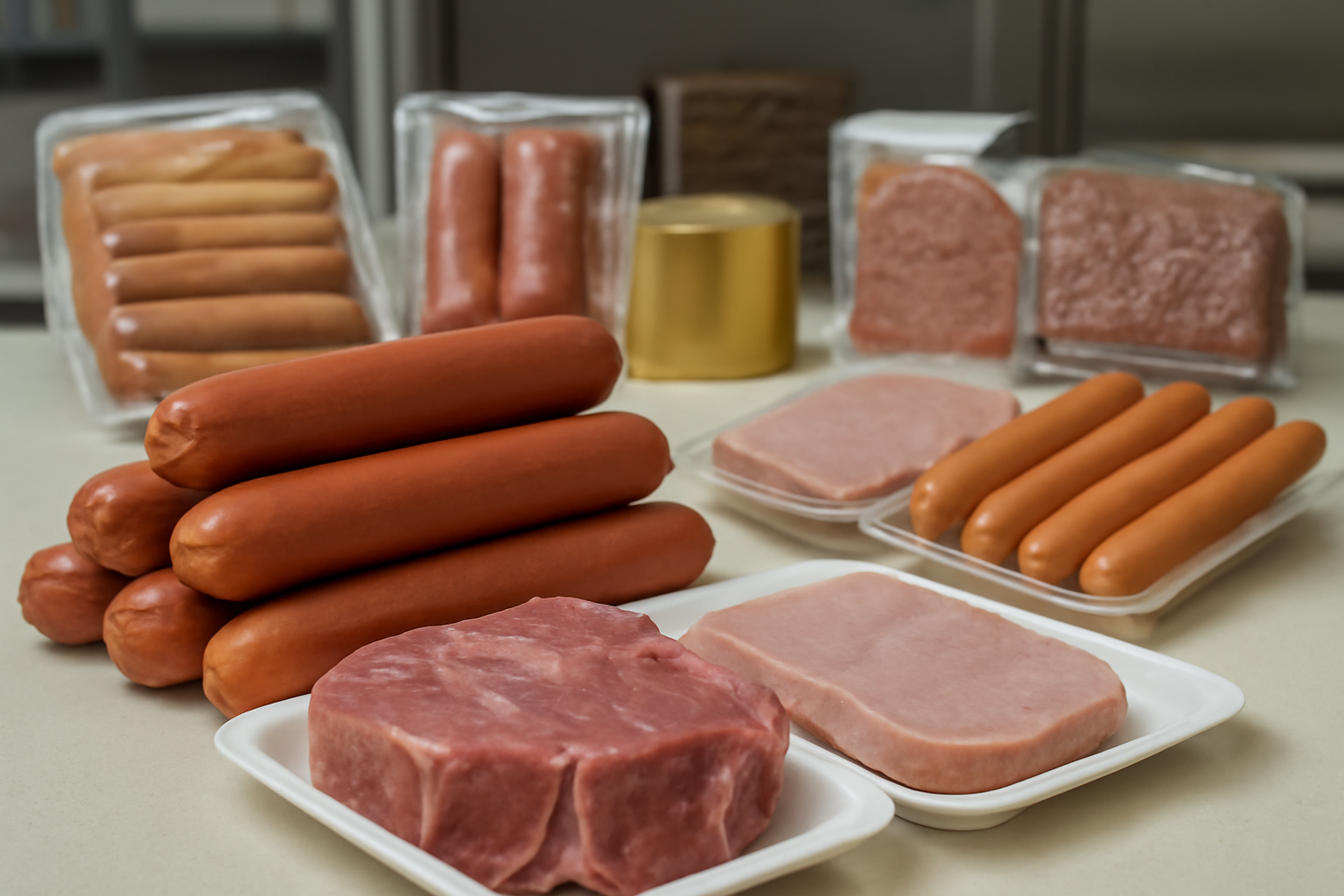
Laboratory tests uncover undeclared meat
Turkey’s Ministry of Agriculture and Forestry has detected horse and donkey meat in a range of food products circulating on the domestic market, according to Al Bilad. The findings were based on laboratory tests and were added to the ministry’s updated public list of adulterated foods.
The cases include sausage sold under well-known brands. Citing Turkish broadcaster Halk TV, Al Bilad reported that products carrying two prominent brands tested positive for horse and donkey meat. The report did not identify the brands, manufacturers, batch numbers, volumes or retailers involved.
Turkish publication Diken reported that the ministry’s list covered five sausage varieties containing what the authorities describe as “one-hoofed animal meat.” That regulatory category includes meat from horses, donkeys and mules. The information available does not specify whether every variety contained the same species or whether the findings differed among the tested products.
Cases extend beyond sausage
The violations were not limited to packaged sausage. The public list also recorded one-hoofed animal meat in other foods in the provinces of Mersin and Manisa. In Mersin, the affected categories included minced meat and tantuni, a local dish commonly prepared with finely cut meat.
No figures were reported for the quantity of food affected, the number of establishments involved or the period during which the products were offered for sale. The report also did not provide information on recalls, product withdrawals, plant closures, fines or other sanctions. It therefore establishes the laboratory findings and the product categories involved, but not the eventual commercial or legal consequences for the named businesses.
Public disclosure supports enforcement
Turkish authorities are intensifying oversight of the food sector and using public lists to identify products and establishments found to be non-compliant after laboratory examination, Al Bilad reported. The disclosure system is intended to allow consumers to recognize offending products and to curb food fraud, particularly in frequently purchased foods.
For meat processors and retailers, the findings place attention on control of raw-material identity throughout procurement, processing and distribution. Sausage, minced meat and prepared dishes can make the original species difficult for buyers to verify visually, which makes laboratory testing and documented supplier controls central to enforcement.
The presence of undeclared horse, donkey or mule meat is also relevant to businesses whose products are marketed according to a stated meat composition. A mismatch between the label and laboratory result can affect confidence not only in an individual item but also in the processor, brand and sales outlet connected to it.
Commercial impact remains unclear
The source material provides no evidence about whether the affected foods entered export channels. It also gives no prices, trade volumes or destinations, so the findings cannot be linked to a measurable change in Turkey’s meat trade. On the available information, this is primarily a domestic food-control case involving products sold in Turkey.
The next commercial effects will depend on actions not detailed in the report: how quickly the implicated products are removed, whether additional batches or suppliers are tested, and what measures authorities take against the establishments listed. Until those details are published, the confirmed scope remains five sausage varieties plus minced meat, tantuni and other foods identified in Mersin and Manisa.