Turkey cuts onion import duty as prices surge and domestic planting declines
Turkey reduced its dried-onion import duty from 49.5% to 5% after two years of farmer losses reduced planting and prices climbed sharply. Producers say imports may ease short-term pressure but will not resolve a domestic cost gap that has pushed production costs above 15 TL per kilogram.
Tariff cut opens the market to more imports
Turkey has sharply reduced its import tariff on dried onions after declining domestic planting and a rapid increase in prices raised concerns about supply. A presidential decision published in the Official Gazette on 11 July 2026 lowered the duty from 49.5% to 5%. The measure will remain in effect until 31 August 2026.
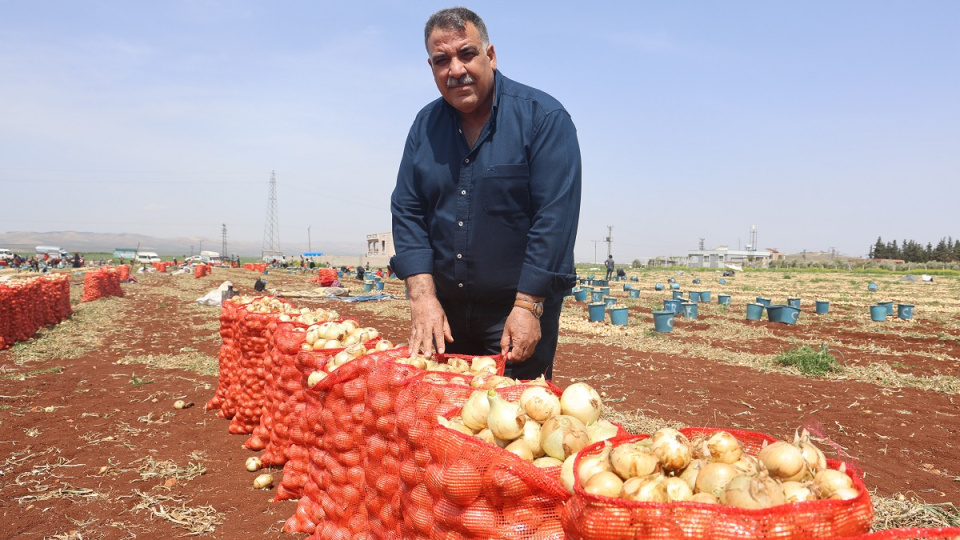
The tariff reduction is intended to facilitate imports while the domestic market faces limited stocks. One report said onion prices rose from 15 TL to 70 TL per kilogram within a month after farmers, following losses over two years, planted less this season. Bloomberg HT, citing the Onion Producers and Suppliers Association, or SO-DER, reported a current price of about 50 TL per kilogram and said only a limited number of producers in Amasya, Bursa and several districts still held supplies.
Domestic costs weaken Turkish competitiveness
SO-DER chairman Reşit Kaya attributed the price increase primarily to falling domestic production rather than import policy. He said higher production costs and prolonged losses had forced many farmers to stop growing onions. As many producers no longer have stocks to sell, the latest price increase has not translated into higher income for much of the farming sector.
According to SO-DER, producing one kilogram of dried onions costs about 4-5 TL in Uzbekistan, Iran and Egypt, compared with more than 15 TL in Turkey when harvest labor is included. The association places Turkey’s full production cost at 17-18 TL per kilogram. It estimates that a sustainable farm-gate price, including a 10-15% profit margin, should be around 22-23 TL. Labor is another major disadvantage: SO-DER said a farm worker earns about $3 per day in Egypt and $30 in Turkey. Differences in diesel, fertilizer, crop-protection chemicals and other inputs further reduce the competitiveness of Turkish growers.
Imports may shift gains to foreign suppliers
Egypt, Uzbekistan and Iran are the most likely suppliers identified by SO-DER. Kaya argued that because Turkish farmers have little product left, foreign producers could capture much of the benefit from elevated Turkish prices. For importers, the lower duty creates a temporary purchasing window, but the measure expires at the end of August and does not remove the underlying uncertainty surrounding domestic output.
Turkey used a similar response in 2019, when it eliminated the onion import duty and the Turkish Grain Board imported dried onions. SO-DER said temporary imports can reduce short-term price pressure but cannot reverse the contraction in planted area, indebtedness among growers or production losses caused by drought, floods and agricultural frost.
Producers seek cost-based support
SO-DER called for lower VAT and special consumption tax on diesel, fertilizer, crop-protection products and electricity, as well as fuel assistance and higher employment-premium support for registered harvest labor. It also proposed an annually updated floor price based on actual production costs and a reasonable profit margin, stronger market-intervention powers for the Turkish Grain Board, and a purchase guarantee when prices fall below cost.
The association also wants greater state support for agricultural insurance premiums and faster compensation after natural disasters. It said imports should be limited to periods when an urgent supply deficit must be covered and accompanied by mechanisms protecting domestic producers. Without measures that make local cultivation viable, SO-DER warned that Turkey could become more dependent on imported onions, exposing buyers and consumers to higher prices and greater supply risk.