Turkey conditionally clears Cargill’s acquisition of PNS Pendik Nişasta
Turkey’s Competition Board approved Cargill Türkiye’s acquisition of sole control over PNS Pendik Nişasta, subject to binding behavioral commitments. The measures address pricing, supply continuity and cross-subsidization risks in the domestic glucose syrup and blends market.
Approval tied to competition safeguards
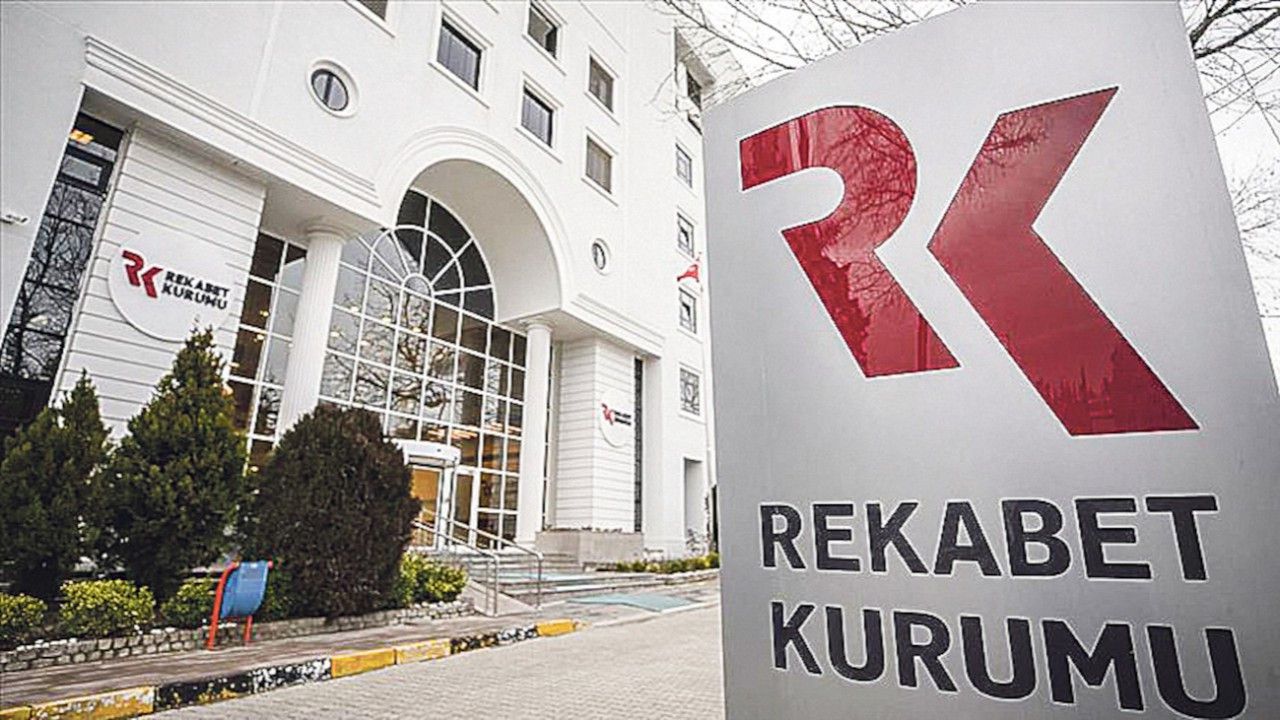
Turkey’s Competition Board has conditionally approved Cargill Tarım ve Gıda Sanayi Ticaret AŞ’s acquisition of sole control over starch producer PNS Pendik Nişasta Sanayi AŞ from Alpinvest Yatırım Gıda Sanayi ve Ticaret AŞ. The approval allows the transaction to proceed only under behavioral commitments offered by Cargill Türkiye.
According to Haberler.com, the Board determined that the acquisition required authorization under Law No. 4054 on the Protection of Competition and Turkey’s merger and acquisition rules. Its review found that combining the two producers could significantly restrict effective competition in the glucose syrup and blends submarket.
Ekonomi Gazetesi reported that the authority examined whether the transaction could enable higher raw-material prices, increases in finished-product prices or supply problems for customers. The Board concluded that Cargill’s commitments were sufficient, appropriate and proportionate to address the identified concerns.
Prices and costs to be monitored for 5 years
The first group of commitments concerns sales of quota-regulated products in Turkey. Price increases for glucose syrup and blends must be limited to specified cost components. Increases that are not supported by higher costs will not be permitted.
Price and cost information will be monitored by the Competition Authority for 5 years through reports prepared by independent certified public accountants. Cargill must also notify the authority of price adjustments made under extraordinary economic conditions. The Competition Board may require such adjustments to be reversed.
The arrangement gives industrial buyers a formal safeguard against price rises that cannot be linked to eligible costs. It also creates an external reporting mechanism for a market in which the regulator believes the loss of an independent producer could weaken competitive pressure.
Supply continuity and cross-subsidization
A second set of conditions addresses the risk of restricted supply. Existing customer contracts may be terminated only for objective reasons, while spot sales must follow objective commercial criteria. If Cargill suspends supply under extraordinary economic conditions, it must notify the authority, and the Board may reverse that decision.
The commitments also prohibit revenue generated from domestically sold, quota-regulated glucose syrup and blends from being used to finance other product groups. This measure is intended to prevent cross-subsidization that could distort competition beyond the glucose syrup segment.
The conditions are binding. Both Ekonomi Gazetesi and Haberler.com reported that violations may result in administrative fines accruing daily. No transaction value, production capacity, market share or timetable for completing the acquisition was disclosed in the supplied reports.
For food and beverage manufacturers using glucose syrup, implementation will now matter as much as the approval itself. The 5-year monitoring period, restrictions on contract termination and the regulator’s power to reverse exceptional price or supply decisions will shape how the combined business serves domestic customers.