Tunisia’s olive oil export revenue rises 45% as production recovers
Tunisia’s olive oil export revenue increased 45% from the previous season after production recovered from two years of drought. More than 350,000 tonnes were exported in the first eight months of the year, generating over $1 billion.
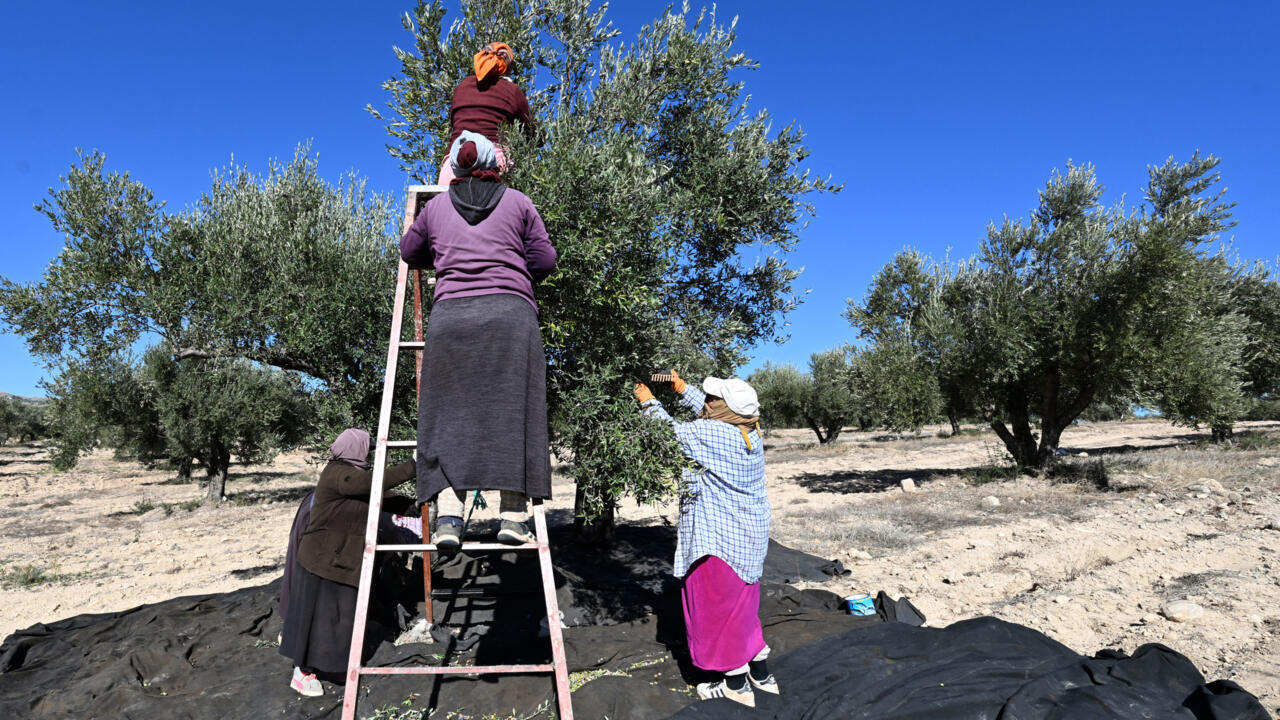
Exports exceed 350,000 tonnes
Tunisia’s olive oil export revenue increased 45% compared with the previous season as production recovered after two years of drought, according to RFI. More than 350,000 tonnes were exported during the first eight months of the year, generating over $1 billion for the country.
The rebound restores volumes in one of Tunisia’s most important agricultural export industries. Higher availability gives processors and exporters more product to sell, but it also changes the balance of a Mediterranean market that had faced tighter supplies during the drought. The increase in revenue reflects the sharp rise in exported volume, even as growing supply is now putting downward pressure on prices.
European Union remains the main destination
European Union member states absorb more than half of Tunisia’s olive oil exports. Spain and Italy are the principal buyers, linking Tunisia’s recovery directly to the supply needs of the bloc’s largest olive oil markets and processing industries.
Italy produces about 300,000 tonnes of olive oil annually but imports close to 500,000 tonnes each year to meet consumption, RFI reported. Its purchases of Tunisian oil surged last year. The gap between Italian production and import requirements makes Tunisia an important supplier for Italian refiners, bottlers and distributors, while the recovery offers buyers more sourcing options and potentially lower procurement costs.
More Mediterranean supply weighs on prices
Tunisia is not the only Mediterranean producer recording a recovery. Production has also risen in Spain, the world’s largest producer, where the latest harvest is estimated at 1.3 million tonnes. That is nearly 20% above the average for the previous four years, adding another substantial volume of oil to the international market.
The combined increase in Tunisian and Spanish output is pushing prices lower domestically and internationally. Consumers and importing companies stand to benefit from cheaper olive oil, but producers across the European Union face weaker selling prices. For Tunisian exporters, the immediate gain is greater volume and export revenue; the longer-term constraint is that continued supply growth across the Mediterranean could reduce the value received for each tonne. Traders will therefore watch whether strong demand from Italy, Spain and other European buyers can absorb the additional oil without accelerating the decline in prices.