Tunisia’s olive oil boom struggles for recognition under foreign labels
Tunisia is expected to become the world’s second-largest olive oil producer this season, but 86% of its 2025/2026 exports are reportedly sold in bulk for bottling under foreign labels. Independent producers are investing in branded premium oil and local processing to retain more value at home.
A major producer with limited visibility
Tunisia, where olive oil production dates back nearly 3,000 years, is expected to become the world’s second-largest producer this season. Yet consumers outside the country rarely encounter bottles prominently identified as Tunisian. Haber Aktüel reports that 86% of Tunisia’s olive oil exports in the 2025/2026 season are sold in bulk for bottling under foreign labels, with Spain, Italy and the United States serving as the largest markets.
These shipments are commonly bottled in destination markets and may be blended with local oils. European Union rules can permit broad origin descriptions such as a blend of olive oils of EU and non-EU origin, while labels in the United States may make it difficult to distinguish the places of import, production and harvest. Tunisia consequently remains visible to commercial buyers as a low-cost supplier but far less recognizable to consumers as an origin.
Financing reinforces the bulk-sales model
Tunisian economist Fadhel Kaboub argues that control of the value chain, rather than the ability to grow olives, determines who captures the industry’s returns. Many farmers struggle to secure domestic financing because land inherited through tribal or family arrangements may lack modern title documents. With limited access to credit, producers can sell their harvest to Italian or Spanish buyers as much as a year in advance, locking in prices before the crop’s final quality is known.
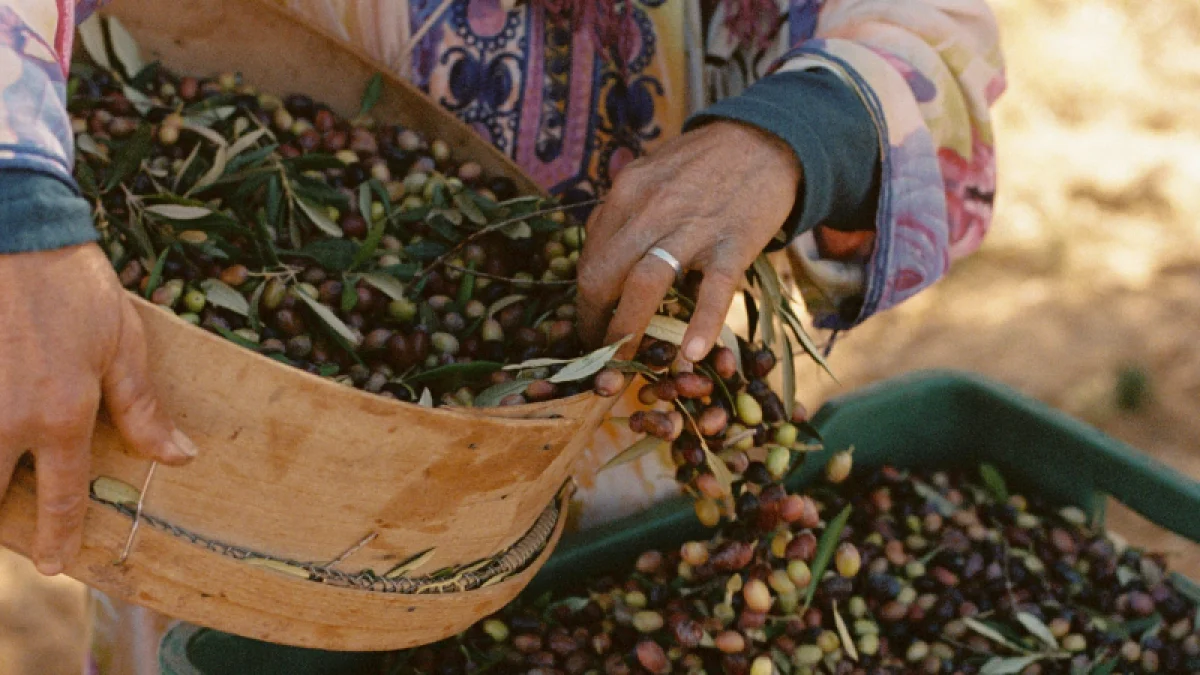
The consequences extend beyond branding. Bulk sales transfer bottling, marketing and part of the processing margin abroad, while poverty persists in rural production areas. Seasonal workers, most of them women, face low incomes and sometimes unsafe transport. The source describes repeated accidents and deaths over the past decade involving agricultural workers carried in vehicles designed for goods and animals.
Independent brands invest in local value
A new generation of producers is trying to sell Tunisian oil as a finished premium product. Sarah Ben Romdane, founder of organic extra virgin olive oil brand KAÏA, returned to land farmed by her family for five generations and reinvested in olive trees more than 100 years old. Within five years, KAÏA used the native Chemlali variety and origin-focused branding to enter prestigious delicatessens. Its oil sells at US retailers for $34.99 per 50 cl.
KAÏA employs about 50 women and pays them the same wages as men. To meet rising demand, Ben Romdane is investing in a mill scheduled to open in 2027. The company currently relies on shared mills, which require intensive cleaning for extra virgin production. A dedicated facility would support full-time employment, allow KAÏA to expand beyond its current annual output of 10 tonnes and create a destination for olive oil tourism. Kaboub also sees potential in Latin America and Asia beyond Tunisia’s established European and US markets. Whether independent producers can scale this approach will depend on financing, processing control and their ability to persuade buyers to pay for Tunisian origin rather than anonymous bulk supply.