Tunisia's livestock sector shows signs of structural decline as herd, meat and milk output fall
Tunisia's livestock farming sector is in continuous structural decline, sector officials have warned. The alert rests on three linked signals: a shrinking national herd and falling production of both red meat and milk. Officials describe the deterioration as structural rather than a temporary, seasonal dip.
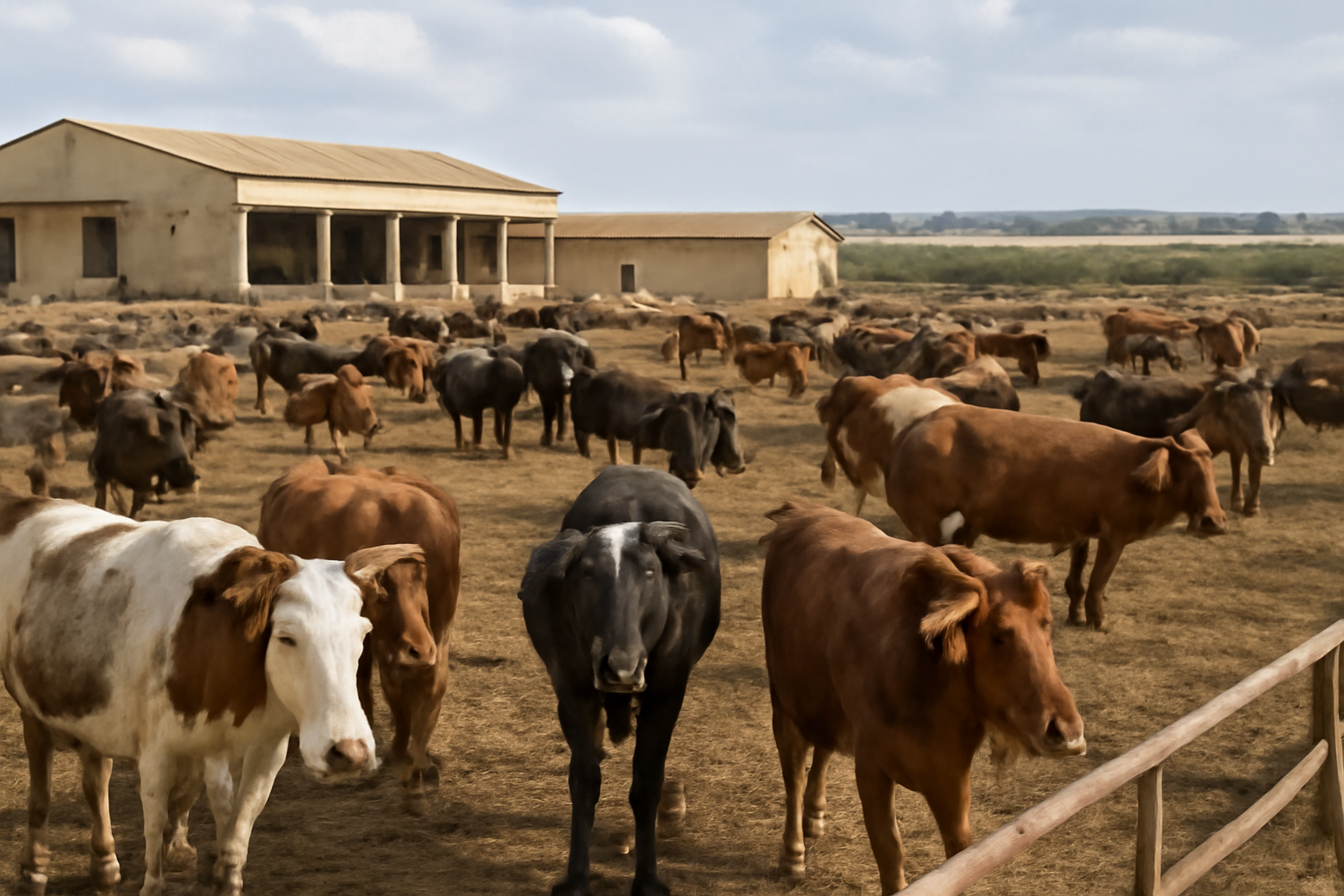
Tunisia's livestock sector flashes structural warning signals
Tunisia's livestock farming sector is undergoing a continuous structural decline, sector officials have warned, pointing to a shrinking national herd and falling production of both red meat and milk. Officials framed the deterioration as structural — a long-term erosion of productive capacity rather than a temporary, weather-driven dip. For a country that depends on domestic herds to cover much of its meat and dairy needs, the signals carry direct consequences for food supply and for trade in animal products.
A shrinking national herd
The central warning is the contraction of the national herd. A smaller animal population reduces the breeding base from which future meat and milk supply is drawn, cutting both the number of animals available for slaughter and the stock of milk-producing animals. Rebuilding a herd takes several breeding cycles, so a fall in animal numbers tends to lock in weaker output for years rather than months. Officials treated the herd decline as the root indicator behind the broader downturn.
Red meat and milk under pressure
Production is falling on two fronts at once. Red meat output is declining in step with the herd, while milk production is also down. The parallel weakness across meat and dairy suggests the pressure is affecting the sector broadly rather than a single product line. The three warning signals reinforce one another:
- a shrinking national herd;
- falling red meat production;
- declining milk output.
Implications for trade
For importers and exporters, the direction of travel matters more than any single figure. A sustained fall in domestic red meat and milk production typically widens the gap between local supply and demand — a gap usually filled by imports. If the decline continues, Tunisia's reliance on foreign beef, lamb and dairy products, including milk powder, would be expected to grow. The description of the trend as structural implies the shortfall may persist beyond the current season, keeping import demand elevated. For domestic producers, the underlying challenge is the economics of raising animals: without improvement, herd rebuilding is unlikely.
The available account stops short of quantifying the decline, but the combination of a shrinking herd and falling meat and milk output is a recognized marker of longer-term stress in a livestock economy.