Tunisia buys 125,000 tonnes of soft wheat and 75,000 tonnes of feed barley
Tunisia purchased about 125,000 tonnes of soft wheat and 75,000 tonnes of feed barley in international tenders, Reuters reported, citing European traders. The available tender report did not disclose prices, delivery periods, suppliers or expected origins.
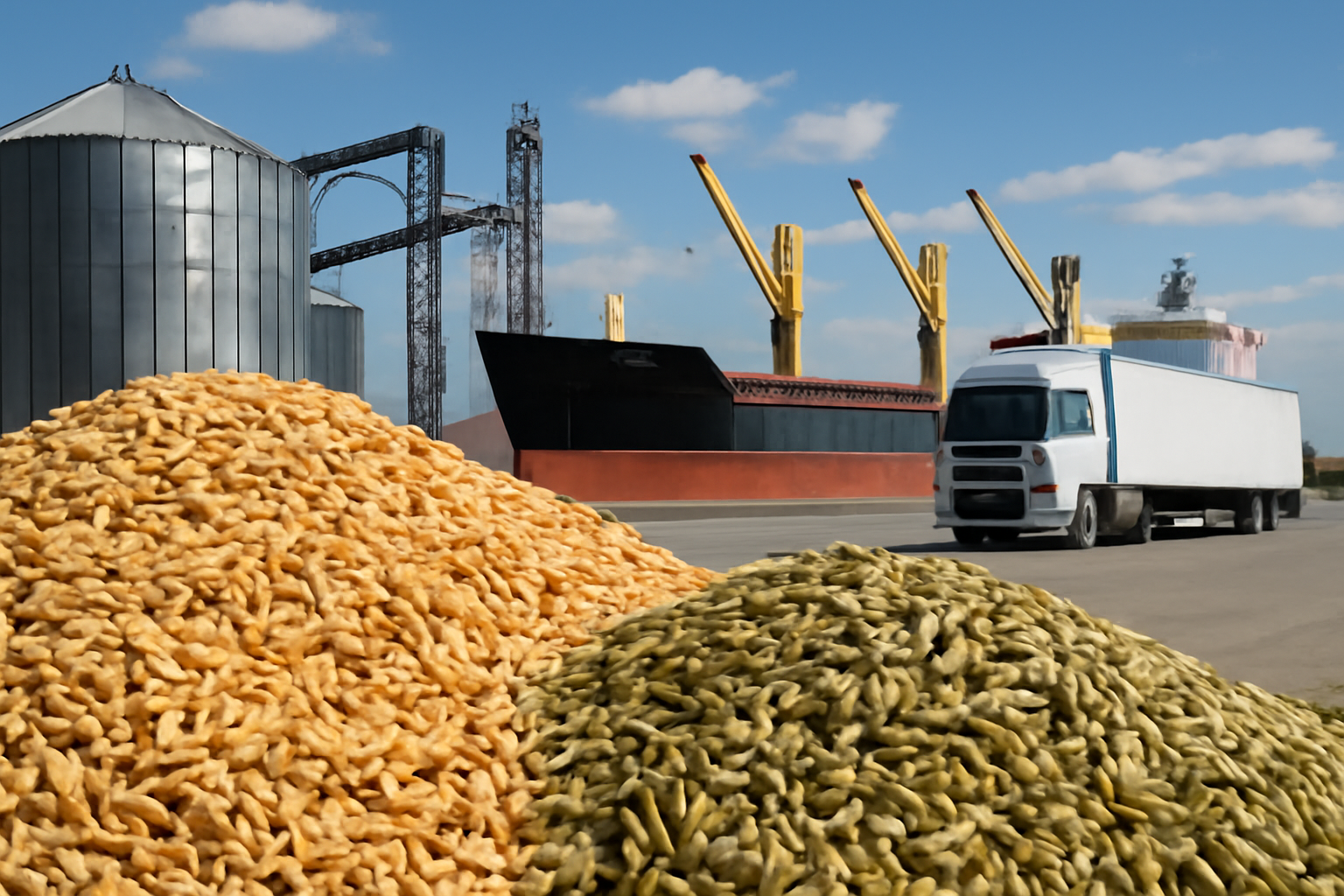
Tunisia secures 200,000 tonnes of grain
Tunisia purchased about 125,000 tonnes of soft wheat and 75,000 tonnes of feed barley in international tenders, Reuters reported on September 23, citing estimates from European traders. The two purchases represent a combined grain volume of approximately 200,000 tonnes.
The transaction is split between a food grain and an animal-feed commodity. Soft wheat accounts for 62.5% of the reported total, while feed barley represents the remaining 37.5%. That composition makes wheat the larger part of the procurement, but the barley volume is also substantial for livestock and feed-market participants.
Prices and origins remain undisclosed
The available report did not provide the accepted prices, delivery periods, number of cargoes, sellers or contractual shipment terms. It also did not identify the countries expected to supply the grain. Those missing details prevent a direct comparison with other North African tenders or an assessment of freight costs and supplier competitiveness.
International grain tenders can attract offers from several origins, but the final source may depend on price, quality specifications, shipping schedules and the seller’s ability to meet the contract. In this case, no origin should be treated as confirmed until additional tender results or shipment information become available. The reported figures are trader estimates rather than a detailed purchasing announcement reproduced in the source material.
A demand signal for regional grain markets
The purchase nevertheless provides a clear signal that Tunisia is covering both milling-wheat and feed-grain requirements through the international market. For exporters and trading houses, the combined 200,000-tonne volume creates demand across two separate commodity segments. For Tunisian processors and feed users, the practical effect will depend on the eventual landed cost, delivery timing and quality of the contracted grain.
The tender also matters to market participants monitoring North African buying activity. Individual state purchases can influence competition among suppliers when several importing countries enter the market at similar times. Without disclosed prices or origins, however, this transaction cannot yet be used as a reliable benchmark for regional wheat or barley values.
Further information on awards would be needed to determine whether the grain will be supplied by one seller or divided among several trading companies. Shipment windows would show when the purchase is likely to affect physical demand, while origin details would indicate which exporting countries secured the business. Until then, the confirmed substance of the report remains limited to the estimated volumes: 125,000 tonnes of soft wheat and 75,000 tonnes of feed barley purchased by Tunisia through international tenders.