Tungsten, Sulfur and Helium Prices Surge as Iran War Meets China's Export Controls
Prices of tungsten, sulfur and helium have jumped sharply as the Iran war compounds China's export controls and stockpiling, CNBC reported. Tungsten has more than tripled since December to above $3,000, China sulfur reached $621 per tonne, and helium has roughly doubled. All three are critical to semiconductor and defense manufacturing.
Prices of tungsten, sulfur and helium surge as Iran war meets China controls
Prices of three niche elements — tungsten, sulfur and helium — have climbed sharply in recent weeks, as the Iran war that began on Feb. 28 compounds a commodities market already pressured by China's export controls and stockpiling, CNBC reported. None trades as widely as oil, but each is critical to semiconductor manufacturing, and the surge shows how disruption in the Middle East could ripple into the chips that power artificial intelligence.
Why these three elements matter
Tungsten, a metal nearly as hard as diamond, forms the electrical connection at the core of a chip. Sulfuric acid, a byproduct of sulfur, cleans chip wafers. Helium prevents unwanted chemical reactions during production. All three are also critical for defense manufacturing.
Beijing tightened its grip before the war. China began restricting tungsten exports just over a year ago and in December called for tighter limits on sulfuric acid exports. Chinese helium imports rose 15.7% in 2025 after a nearly 65% surge in 2024, according to Wind Information.
How far prices have moved
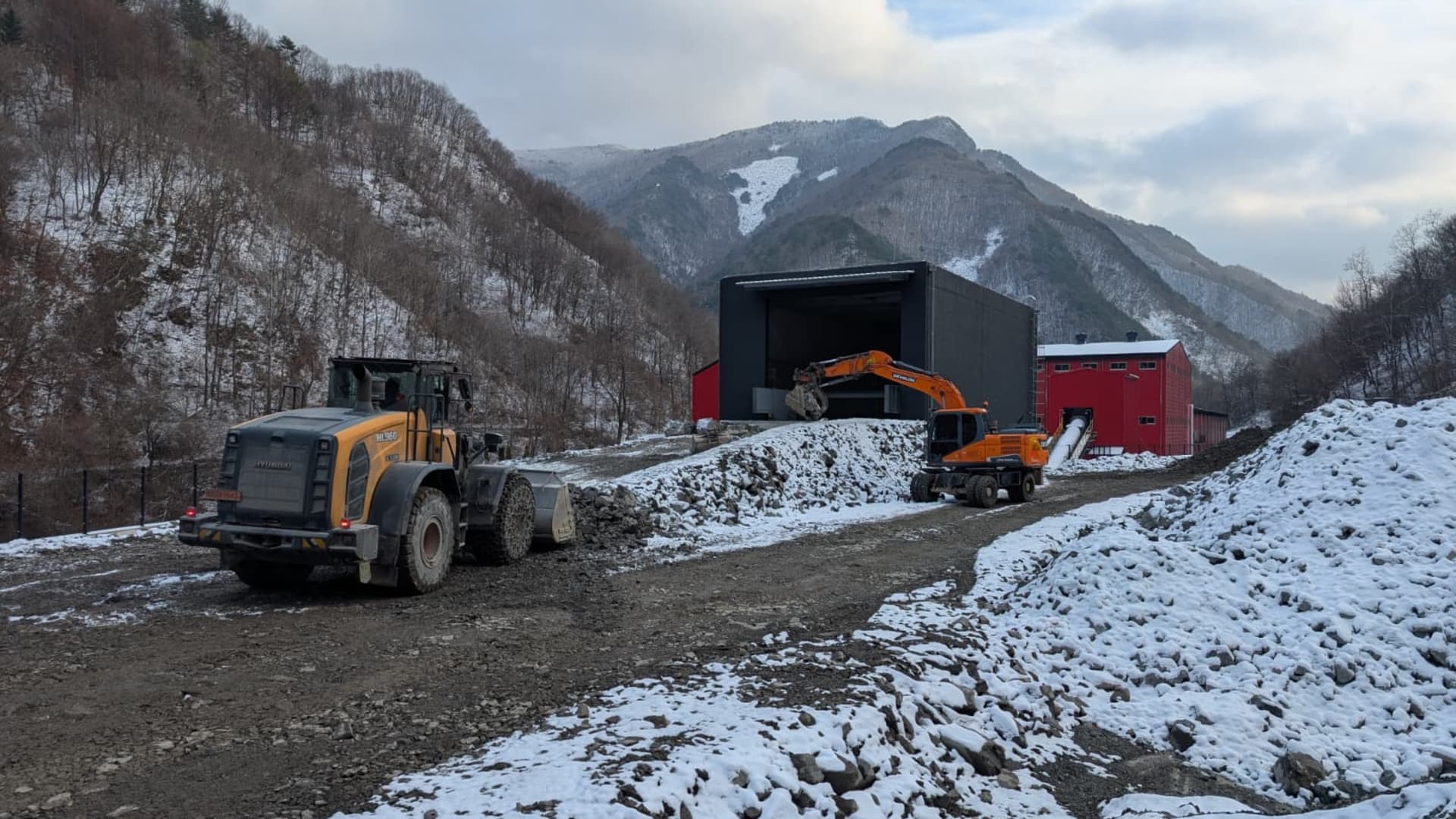
Tungsten hit a record above $3,000 late last week — a rise of well over 50% for the month and more than triple its late-December level, based on the APT benchmark in metric ton units from Fastmarkets as quoted by miner Almonty. The company reopened its Sangdong mine in South Korea this month and plans to start producing tungsten this year in Montana. CEO Lewis Black told CNBC defense demand has been "extremely strong" since early last year, with no notable change from the war: "There's no material to stockpile."
Sulfuric acid in Africa is at least 30% higher than before the war and still rising, Goldman Sachs analysts said, citing a Chinese miner there. China sulfur prices, including cost and freight, rose about 13% from early March to $621 per tonne as of March 26, according to S&P Global Platts. Around 56% of China's sulfur imports came from the Middle East in 2025. HSBC, in a March 16 report, called it a "super squeeze."
Helium has roughly doubled since the war began, according to Fitch Ratings. Iranian missile attacks this month crippled a key industrial center in Qatar, which produces about one-third of the world's helium. In China's Henan province, helium climbed from a Feb. 28 low of 545 yuan ($78.85) a bottle to 600 yuan ($86.81), per Wind Information.
What it means for supply chains
Constraints on the Strait of Hormuz have tipped some oversupply situations into undersupply and worsened existing shortages. Goldman Sachs, citing nearly 40 commodity meetings and site visits in China, warned that the risk of chemical raw-material disruption is higher than expected. Oil itself climbed more than 50% in March, putting Brent on track for a record month, yet the three niche commodities rose more in some cases.
Christopher Ecclestone, mining strategist at Hallgarten & Company, said the Qatar hit means helium supply "won't be restored anytime soon," and that buyers remain complacent: defense contractors that should hold warehouses of tungsten do not. Rhodium Group said in a March 24 report that access to materials concentrated in China will become a more frequent topic in negotiations with Beijing. With limited price transparency, the shortages could be worse than the available numbers suggest.