Trump-Xi Talks Put Soybeans and Tariffs at Center of US-China Trade Agenda
Prospective US-China tariff negotiations could determine whether American soybeans recover market share in China. Any removal of Beijing’s additional 10% tariff would affect US competitiveness and the strong position Brazil has built in Chinese supply.
Soybeans return to the negotiating table
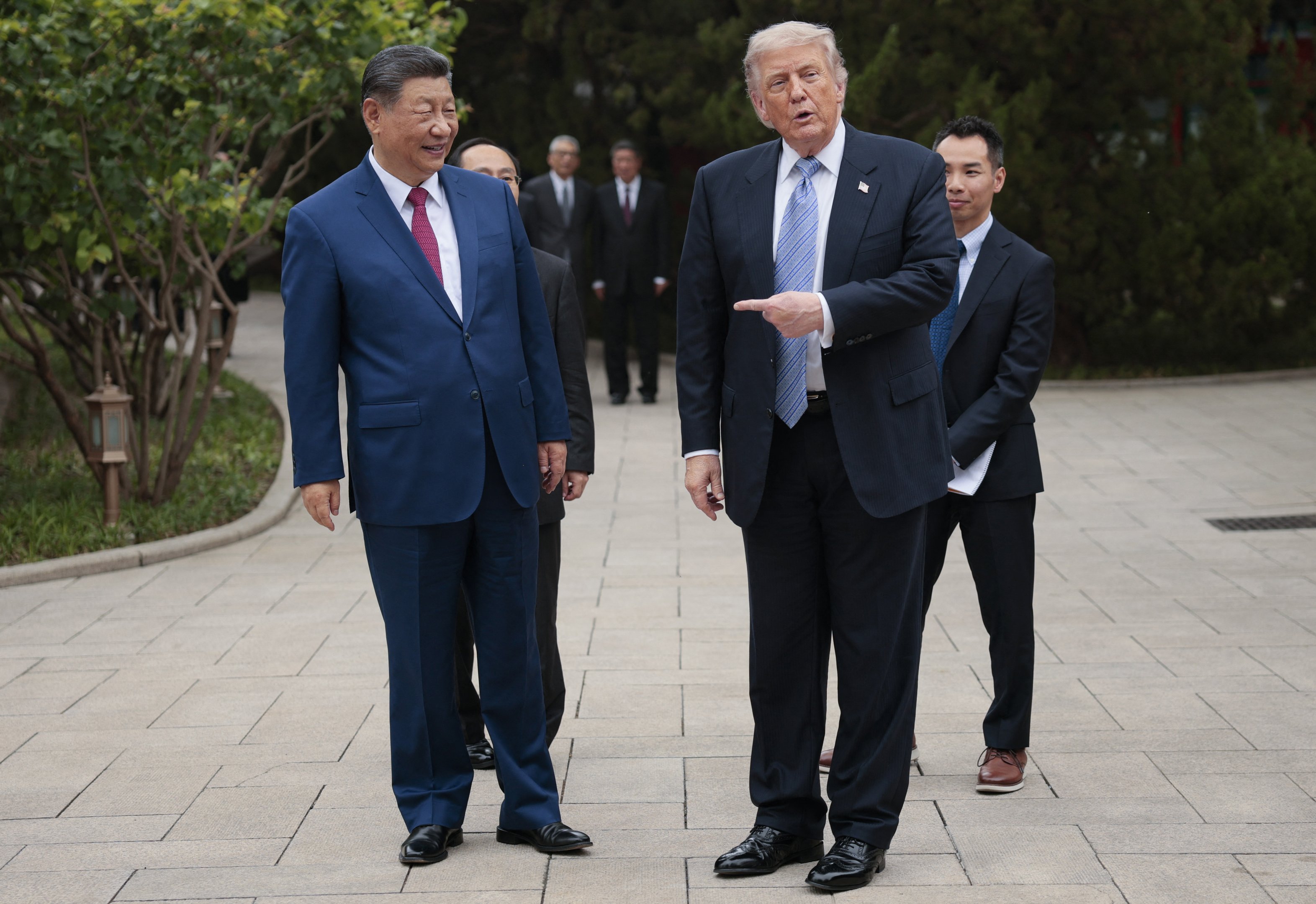
A planned meeting between US President Donald Trump and Chinese leader Xi Jinping has placed soybeans and agricultural tariffs near the center of the bilateral trade agenda. Exame reported that the meeting was scheduled for Thursday, 24, in Washington. Its outcome will be watched closely by farmers, traders and processors in the United States and Brazil because changes in Chinese purchasing policy could redirect large volumes between the two suppliers.
China is the principal destination for US soybean exports and the largest foreign market for Brazil’s oilseed industry. Brazil has consolidated its position as China’s biggest supplier while trade barriers have constrained American sales. Last year, Brazil shipped 87 million tonnes of soybeans to China, while the United States sold about 15 million tonnes, below its historical average of nearly 22 million tonnes, according to figures cited by Exame.
Tariff relief could revive private demand
Beijing currently applies an additional 10% tariff to US products, including agricultural goods. Giovana Cavalca, a grain analyst at derivatives firm Amius, told Exame that removing the charge would allow American soybeans to enter China on more competitive terms. Soybeans from countries such as Argentina do not face the same additional levy.
Recent Chinese purchases of US soybeans have largely been made by state buyers, according to Cavalca. The tariff leaves the American crop less attractive to private importers, limiting a broader commercial recovery. A reduction or removal of the levy could therefore matter as much as government purchase commitments by enabling crushers and trading companies to choose US cargoes on commercial terms.
The United States has said that China would buy 25 million tonnes of US soybeans annually through 2028. The Trump administration has also stated that Beijing agreed to add another $17 billion in annual purchases of agricultural products during the US president’s visit to China in May. China has not publicly confirmed either arrangement, although US officials say Beijing is on course to meet the soybean commitment.
Brazil’s lead meets the US export window
Chinese imports from Brazil reached 44.53 million tonnes through July, 5.4% more than the 42.26 million tonnes purchased in the same period of 2025. Imports from the United States fell 31.2% to 10.7 million tonnes over the same interval, according to Amius. In value terms, China bought $26.10 billion of Brazilian soybeans between January and August 2026, up 13% year on year, while purchases from the United States declined 32.7% to $5.20 billion.
Seasonality will influence how quickly any political agreement changes physical trade. Cavalca said Brazilian exports are usually strongest in April and May, with the first half of the year accounting for most arrivals in China after shipping and customs-clearance delays. US soybeans become more relevant during a later purchasing window, giving American exporters a potential opportunity if tariffs are lowered before their seasonal peak.
The USDA projects US soybean production of approximately 121 million tonnes in 2026/27 and exports of 46.3 million tonnes. Access to Chinese private-sector demand would help place that crop and ease pressure on US farmers facing high costs and weaker international competitiveness. For Brazilian producers and exporters, renewed US access would increase competition in China, potentially affecting premiums, prices and the allocation of cargoes across the global market.