Trump Threatens to Raise EU Auto Tariffs to 25% Over Deal Dispute
US President Donald Trump said he will raise tariffs on EU-made cars and trucks to 25% next week, accusing Brussels of not complying with the 2025 Turnberry trade deal that had capped the rate at 15%. Germany, the EU's largest auto exporter, stands to be hit hardest, while a Cato Institute economist said the EU appeared to be largely complying with the framework.
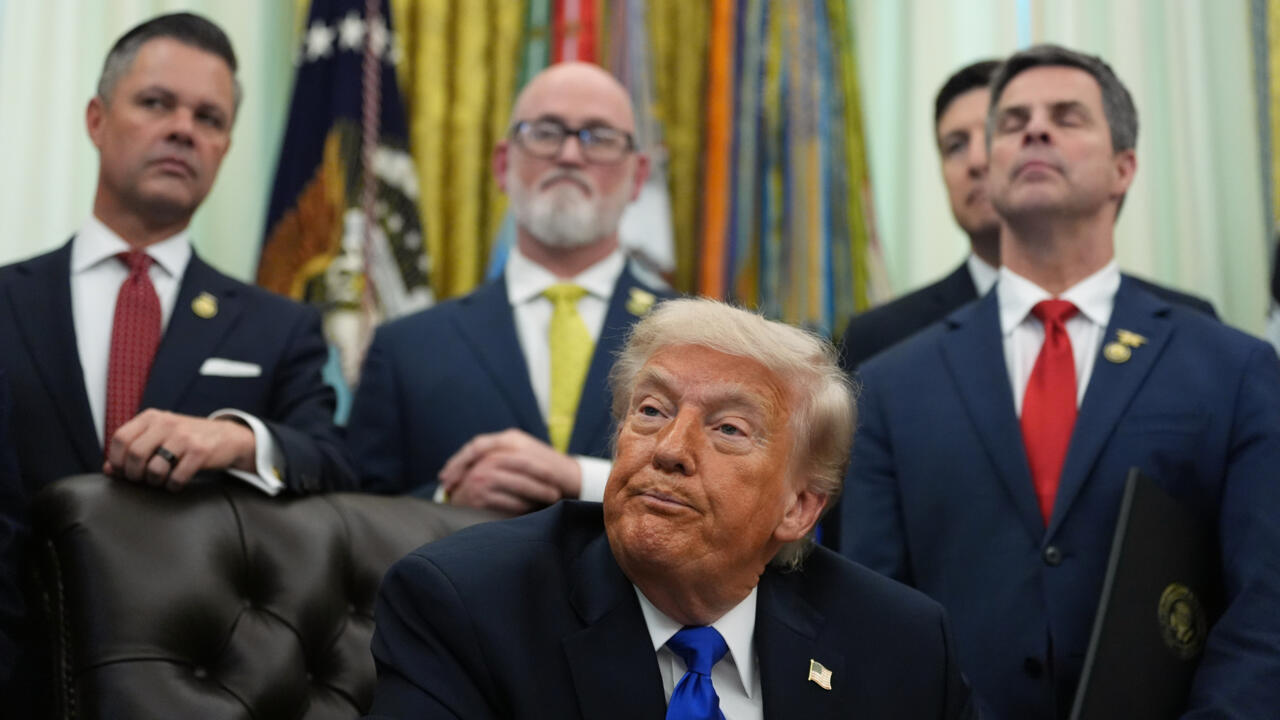
US President Donald Trump said on Friday he will raise tariffs on cars and trucks imported from the European Union to 25% next week, accusing the bloc of failing to comply with a trade agreement reached last year. The announcement, posted on Trump's Truth Social platform, threatens to unwind a deal that had kept EU auto tariffs well below the rate imposed on many other US trading partners.
Deal capped tariffs at 15%
Trump and European Commission President Ursula von der Leyen agreed last July to the Turnberry Agreement, which set a 15% US tariff ceiling on most EU goods, including autos and parts, according to France 24. That rate was lower than the 25% duty Trump had imposed on many other countries and represented a reduction from the 25% Section 232 auto tariffs he first imposed in March 2025.
In his post, Trump said the EU "is not complying with our fully agreed to Trade Deal" and that "next week I will be increasing Tariffs charged to the European Union for Cars and Trucks coming into the United States" to 25%. He did not specify what compliance failure prompted the move. The announcement came a day after Trump renewed criticism of German Chancellor Friedrich Merz, telling him to focus on ending the war in Ukraine rather than "interfering" on Iran.
Germany faces outsized exposure
Germany would likely bear the brunt of a tariff increase given its outsized share of EU auto exports to the United States. The European Union had estimated the trade deal would save European automakers between 500 million and 600 million euros ($585 million to $700 million) a month, according to France 24.
The status of the agreement had already been in question after the US Supreme Court ruled this year that Trump lacked legal authority to declare an economic emergency to justify tariffs on EU goods, a decision that reduced the effective ceiling from 15% to 10% before the administration moved to reimpose duties under other statutory authority. Scott Lincicome of the Cato Institute's Center for Trade Policy Studies said Trump would likely rely on Section 232 of the Trade Expansion Act of 1962, which permits tariffs on national security grounds, to carry out the increase.
Conflicting accounts on compliance
Lincicome said that as far as he could tell, European authorities "were basically complying with the framework," and noted the European Parliament had been moving slowly but was expected to complete work on the deal within a month. He characterized Trump's threat as evidence that "these trade deals are vapourware," dependent on informal understandings rather than binding commitments. Neither EU nor US officials responded to questions about the tariff increase or what specific violation had occurred.
- EU-US trade in goods and services totaled 1.7 trillion euros ($2 trillion) in 2024, averaging 4.6 billion euros a day, according to Eurostat.
- The European Commission said in February, after the Supreme Court ruling, that "a deal is a deal" and that EU products must continue to receive treatment with no tariff increases beyond the agreed ceiling.
The tariff threat lands as the global economy faces pressure from the Iran conflict, which has driven up oil and natural gas prices following the closure of the Strait of Hormuz after US and Israeli strikes. US annual inflation reached 3.3% in March, and only 30% of US adults approved of Trump's handling of the economy in the latest Associated Press-NORC poll, as the administration heads into November's midterm elections.