Trump targets US beef concentration, putting JBS and MBRF operations in focus
Donald Trump plans measures enabling US livestock producers to process and sell their own meat, challenging a beef-packing market where four companies handle about 85% of output. The initiative puts JBS USA and MBRF-controlled National Beef under scrutiny but faces supply and food-safety constraints.
White House targets processor market power
US President Donald Trump said on Friday that his administration intends to let ranchers and farmers process and market their own meat, seeking to reduce their dependence on the large companies dominating US beef processing. According to Veja, Trump authorized the preparation of legal documents to confront what he described as a harmful monopoly among major food processors, but provided neither a detailed policy design nor an implementation timetable.
JBS USA, Tyson Foods, Cargill and National Beef Packing account for about 85% of US beef processing, based on figures cited by the US Department of Agriculture. That concentration does not mean the companies control the entire supply chain, and authorities have not officially concluded that they constitute a cartel. The administration's concern is their influence over cattle procurement and slaughter capacity, particularly in regions where ranchers have few alternative buyers.
The proposal would go beyond existing support for small and medium-sized processors. The USDA announced such a program in July, while Agriculture Secretary Brooke Rollins said further processing measures would be presented from the following week. The broader plan is intended to allow producers to slaughter and market meat themselves, including through expanded interstate sales.
Brazilian-controlled processors face closer scrutiny
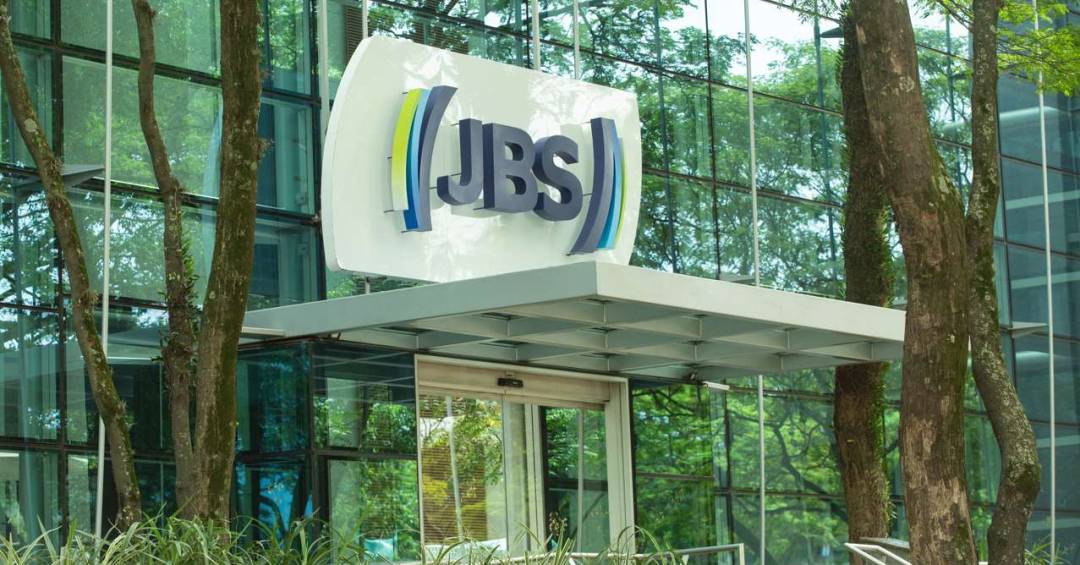
The initiative directly affects two companies with Brazilian ownership links. JBS operates nine US beef-processing plants through JBS USA, with capacity of about 28,000 cattle per day. Its worldwide platform can process more than 78,000 cattle daily, according to the company. JBS is not merely an exporter into the US market: it owns domestic production infrastructure and buys cattle from American ranchers for local supply.
JBS reorganized its corporate structure in 2025, making JBS N.V. the group holding company. Its shares trade on the New York Stock Exchange and its Brazilian depositary receipts trade on B3, while J&F, the holding company of brothers Joesley and Wesley Batista, retained indirect control. National Beef Packing, another of the four leading processors, is controlled by MBRF, the food group created through the merger of Marfrig and BRF.
Any policy that creates more local slaughter capacity could give ranchers additional buyers and strengthen their negotiating position. However, large plants benefit from scale, national distribution and established relationships with supermarket and restaurant chains. New or producer-owned facilities would have to reproduce parts of that infrastructure while complying with federal requirements.
Cattle shortage limits the price impact
The policy debate comes as the US cattle herd has fallen to about 86.2 million head, its lowest level in 75 years. Drought, fires, herd reductions and restrictions on cattle entering from Mexico have reduced supplies to processors. Ground beef reached about $6.89 per pound in July, equivalent to approximately $15.19 per kilogram. The Associated Press reported that ground-beef prices rose 57% over five years, while steak cuts increased 35%.
Restocking cattle takes time, and the government estimates that US beef production will decline about 4% in 2026 despite early indications of herd recovery. The administration has also temporarily expanded the import quota for lean beef cuts by 300,000 tonnes to increase supply and ease prices. US ranching groups criticized that measure because of the additional competition from imported meat.
Regulation represents another constraint. Interstate meat sales are subject to USDA inspection rules, and allowing producers to bypass existing requirements would require significant regulatory changes. The Meat Institute warned that admitting meat without adequate inspection could undermine food safety and consumer confidence. More competition may alter cattle procurement and processing margins, but it cannot by itself replace the missing animals responsible for much of the current price pressure.